
The Global Conservatory
Orff Schulwerk CertificationTeaching & Pedagogy
Teaching music through creative play, movement, and improvisation — the elemental approach that unlocks every student’s musicality.
The Orff Schulwerk Certification at The Global Conservatory is a 3-month intensive program for music educators who want to master Carl Orff’s revolutionary approach to music education. You will develop deep fluency in elemental music-making — integrating speech, singing, body percussion, movement, and Orff instruments into creative, process-oriented lessons that engage every learner.
Every module is experiential. You will speak, sing, move, play, improvise, and compose in every session — because the Orff approach is learned through doing, not just studying. Our faculty includes experienced Orff practitioners and certified teacher educators who bring decades of classroom experience to your training.
Why This Certificate
Carl Orff understood that music is not an abstract art learned from textbooks — it is an elemental human experience that begins with the body, the voice, and the joy of creative play. Children do not need to master theory before they make music. They need to sing, clap, move, and explore sound.
The Orff Schulwerk approach builds musical understanding from the ground up: rhythm through speech and body percussion, melody through pentatonic singing and barred instruments, form through movement and dance, and creativity through improvisation and composition. It is music education that starts with the child’s natural instinct to play.
This certificate prepares you to teach music the way children learn best — through active participation, creative exploration, and the sheer delight of making music together. Whether you teach in a school classroom, a community center, or a private studio, the Orff approach transforms how your students experience music.
Specialty Tracks
Three Core Disciplines
The certificate is built around three interconnected pillars that together form a complete Orff Schulwerk teaching practice.
Elemental Music
Body percussion, speech pieces, singing games, and Orff instruments. Build musical understanding from the ground up through rhythm, melody, and texture using the body and voice before adding barred instruments, unpitched percussion, and recorders.
Creative Movement
Dance, dramatic play, movement exploration, and form in movement. Learn to integrate movement into every music lesson — from locomotor activities and creative dance to folk dance forms and dramatic interpretation of music.
Improvisation & Composition
Pentatonic improvisation, ostinato building, elemental composition, and the process approach. Develop your students’ creative voices through structured improvisation activities that build confidence and musical independence.
Foundation
Body Percussion & Speech
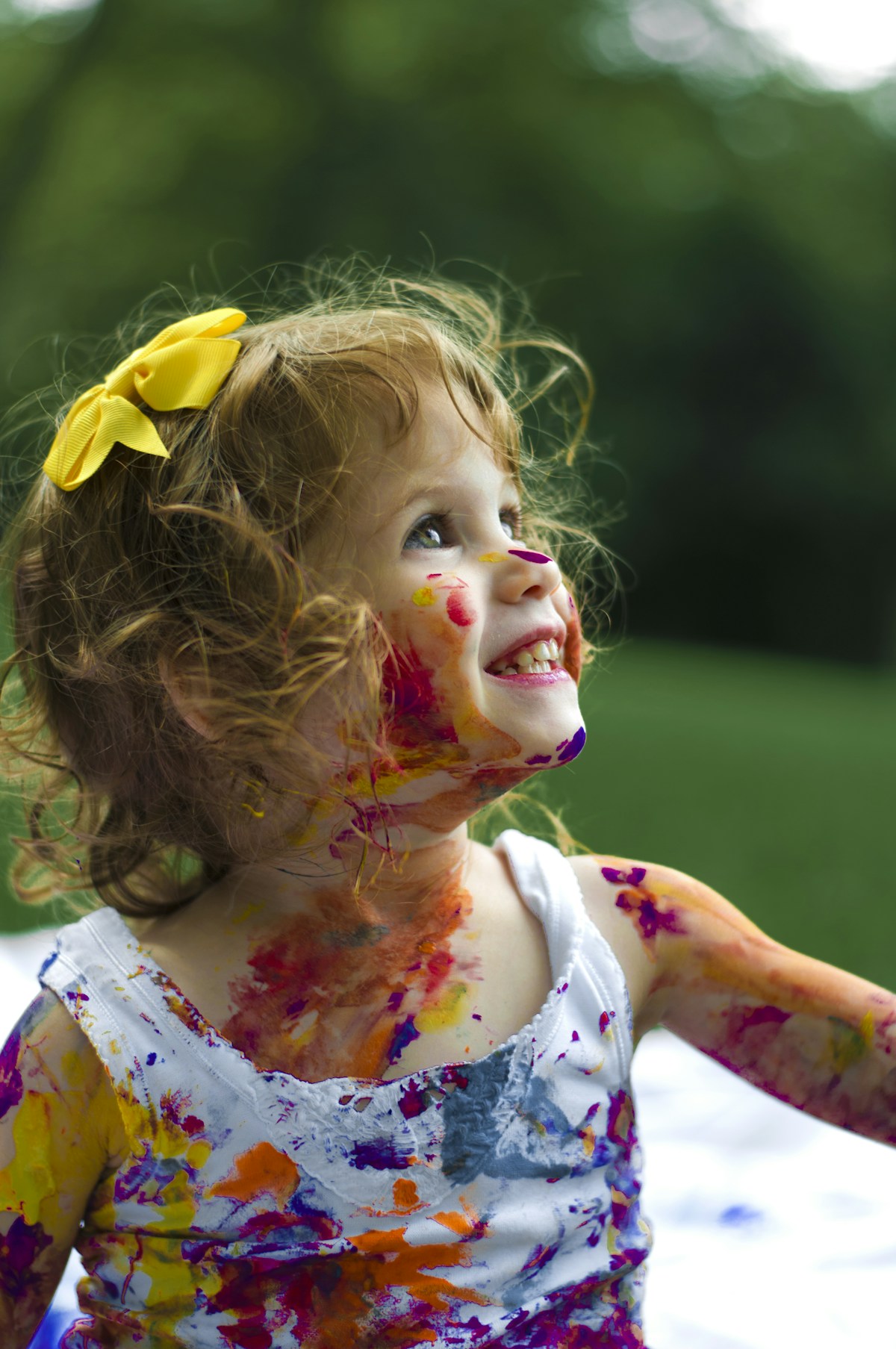
In the Orff approach, music begins with the instruments we are born with — our voices and our bodies. Before students touch a xylophone or pick up a mallet, they build rhythmic fluency through speech patterns, body percussion (clapping, patting, stamping, snapping), and vocal exploration. This foundation ensures that when students move to instruments, they bring genuine musical understanding rather than mere mechanical skill.
You will learn to create speech pieces from poetry, nursery rhymes, and student-generated text. You will master the art of layering body percussion parts to create rich rhythmic textures. And you will discover how these elemental activities build the aural skills that transfer to every aspect of musical development.
- Speech pieces: rhythm, form, and expression through spoken word and poetry
- Body percussion: clapping, patting, stamping, and snapping as musical instruments
- Layering and texture: building multi-part rhythmic compositions with the body
- Transfer to instruments: connecting body-based learning to barred instruments and drums
The body is the first instrument. The voice is the first song.
Instrumentarium
Orff Instruments
The Orff instrumentarium — xylophones, metallophones, glockenspiels, and unpitched percussion — was designed specifically for music education. These instruments are accessible to beginners while capable of producing beautiful, sophisticated ensemble music. As an Orff teacher, you must understand how to use them effectively: setting up bordun accompaniments, building ostinato patterns, arranging pentatonic melodies, and managing an entire classroom of instruments simultaneously.
You will learn the technique of each instrument family, how to arrange music for mixed instrumentarium ensembles, and how to scaffold learning so students progress from simple bordun patterns to complex multi-part arrangements. The goal is always musical — every instrument part serves the song, the dance, or the improvisation.
- Xylophones, metallophones, and glockenspiels: technique, tone, and pedagogy
- Unpitched percussion: drums, woodblocks, shakers, triangles, and more
- Bordun and ostinato: the building blocks of Orff accompaniment
- Ensemble arranging: creating balanced, musical arrangements for classroom groups
Beautiful instruments. Beautiful music. Every student contributing.
Inspired By Pioneers
The Visionaries Who Shaped Orff Schulwerk
These educators and musicians built a global approach to music education that celebrates creativity, community, and the natural musicality of every child.
"Elemental music is never music alone but forms a unity with movement, dance, and speech."— Carl Orff
Carl Orff
Founder / Composer
Created the Schulwerk approach, integrating music, movement, and speech into an elemental pedagogy for children
Gunild Keetman
Co-Creator
Essential collaborator who developed much of the practical pedagogy and composed the foundational Orff Schulwerk volumes
Jos Wuytack
International Educator
Belgian educator who spread Orff Schulwerk globally through workshops, publications, and innovative teaching methods
Arvida Steen
American Pioneer
One of the first Americans to study at the Orff Institute in Salzburg, she trained generations of Orff teachers in the United States
Jane Frazee
Author / Educator
Influential author and teacher trainer whose books on Orff Schulwerk became essential resources for music educators worldwide
Konnie Saliba
Movement Specialist
Pioneered the integration of creative movement and dance within the Orff Schulwerk approach in American music education
Doug Goodkin
Contemporary Leader
Author, educator, and international clinician who has expanded Orff Schulwerk into jazz, world music, and social justice education
James Harding
Teacher Trainer
Dedicated Orff educator and AOSA leader who advanced certification standards and teacher training programs nationally
Embodiment
Movement & Dance
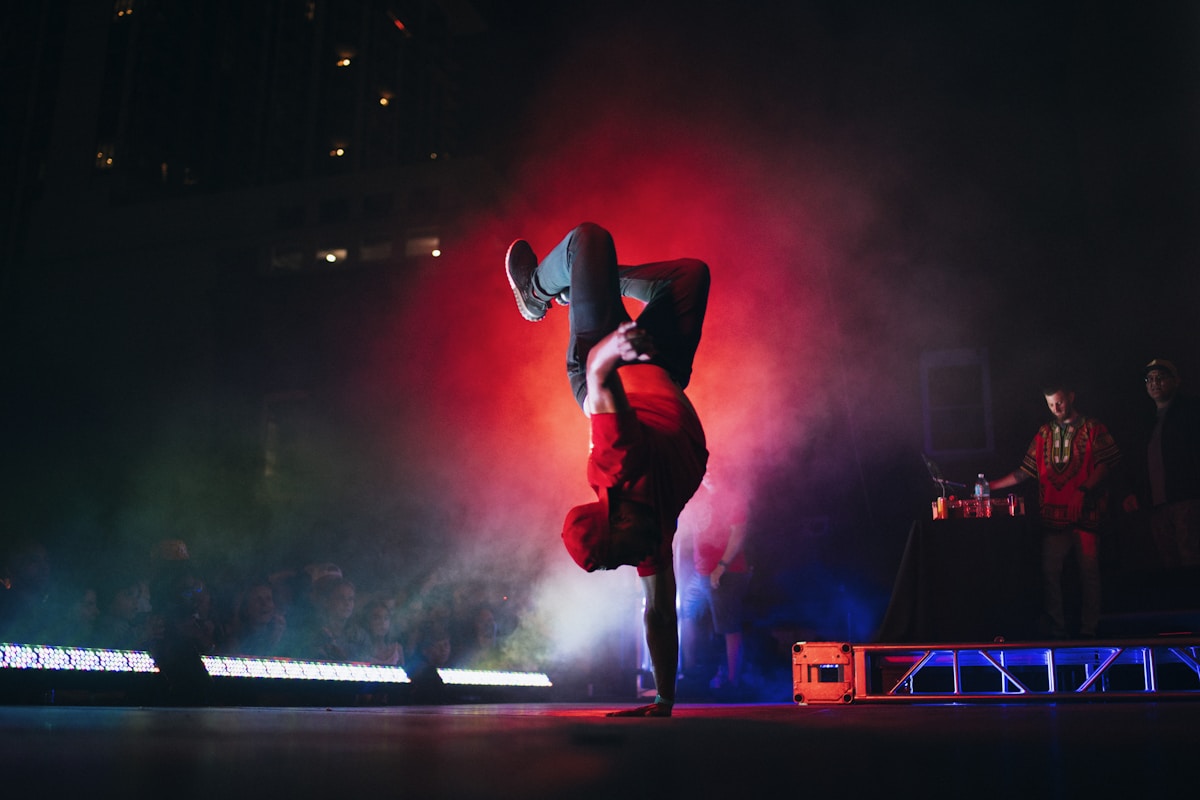
In Orff Schulwerk, movement is not an add-on to music — it is inseparable from it. Children experience beat, phrase, form, dynamics, and expression through their bodies before they ever see these concepts on a page. Creative movement develops musical understanding at the deepest kinesthetic level, and folk dance traditions connect students to the cultural roots of the music they study.
You will learn to lead creative movement activities that explore space, time, energy, and flow. You will teach folk dances from diverse traditions, design dramatic play activities that bring stories and music to life, and use movement with props (scarves, ribbons, parachutes) to engage learners of all ages and abilities.
- Creative movement: exploring space, time, energy, and flow through the body
- Folk dance: traditional dances from diverse cultures adapted for the classroom
- Dramatic play: stories, characters, and musical interpretation through movement
- Props and tools: scarves, ribbons, parachutes, and other movement enhancers
When the body moves, the music comes alive.
Contemporary Practice
Modern Applications
The Orff approach, born in mid-20th century Germany, has evolved into a living, global pedagogy that adapts to diverse classrooms, cultures, and student needs. Today’s Orff teachers work with students of all abilities, integrate technology thoughtfully, draw on multicultural repertoire, and adapt the approach for settings ranging from early childhood to adult education.
This module addresses the practical realities of teaching Orff Schulwerk in contemporary settings. You will learn to adapt activities for students with special needs, integrate digital tools without losing the hands-on essence of the approach, design assessment strategies that honor the process, and advocate for music education in an era of shrinking budgets and competing priorities.
- Diverse classrooms: multicultural repertoire and culturally responsive teaching
- Special needs adaptations: modifying activities for inclusion and accessibility
- Technology integration: digital tools that enhance rather than replace elemental music-making
- Assessment and advocacy: documenting learning and making the case for music education
Ancient principles. Contemporary classrooms. Every child included.
Full Curriculum
What You'll Learn
Six intensive modules covering every dimension of Orff Schulwerk pedagogy — from elemental concepts to lesson design and assessment.
Elemental Music Concepts
- Rhythm: speech patterns, body percussion, and rhythmic notation
- Melody: pentatonic scale, singing games, and melodic ostinati
- Harmony: bordun, ostinato layers, and simple chord progressions
- Form: rondo, ABA, verse-chorus, and through-composed structures
Orff Instrumentarium
- Barred instruments: technique, setup, and classroom management
- Unpitched percussion: selection, technique, and musical application
- Recorder: basic pedagogy and integration with Orff ensemble
- Arrangement skills: creating balanced multi-part classroom arrangements
Creative Movement & Dance
- Locomotor and non-locomotor movement exploration
- Folk dance pedagogy from diverse cultural traditions
- Creative dance: improvisation, choreography, and expression
- Movement as a tool for understanding musical concepts
Improvisation Pedagogy
- Structured improvisation: scaffolding creative exploration
- Pentatonic and modal improvisation techniques
- Group improvisation and ensemble improvisation activities
- Student composition: from exploration to finished pieces
Lesson Design & Process
- The Orff process: imitation, exploration, literacy, and improvisation
- Lesson planning: sequencing activities for maximum engagement
- Curriculum mapping: building scope and sequence across grade levels
- Integration: connecting music with language arts, math, and social studies
Assessment in Orff Settings
- Authentic assessment strategies for music classrooms
- Performance-based assessment and rubric design
- Portfolio assessment and documentation of student growth
- Advocacy: using assessment data to support music programs
"Since the beginning of time, children have not wanted to study music. They want to make music. Let them be creators, not just receivers."
— Carl OrffYour Final Deliverables
Capstone Portfolio & Demonstration
Your capstone is a comprehensive portfolio demonstrating your readiness to teach using the Orff Schulwerk approach. You will design and present a complete lesson unit, create original arrangements for Orff instruments, compile a movement activity portfolio, develop an improvisation progression plan, and deliver a teaching demonstration that showcases your integration of speech, movement, singing, playing, and creating.
- Orff lesson unit (4–6 sequenced lessons with assessments)
- Instrument arrangement (original arrangement for barred and unpitched percussion)
- Movement activity portfolio (10+ creative movement and folk dance activities)
- Improvisation progression plan (scaffolded activities from exploration to composition)
- Teaching demonstration (observed 30-minute lesson integrating all Orff elements)
Certificate & Badges Awarded
Certificate of Completion
Orff Schulwerk Certification — The Global Conservatory
Digital badges in:
Your 3 Months
The Program Experience
A structured journey through the Orff Schulwerk approach in four intensive phases.
Elemental Foundations
Immerse yourself in body percussion, speech pieces, singing games, and movement exploration. Build the foundation of elemental music-making through active participation. Weeks 1–3.
Instrumentarium & Dance
Master barred instruments and unpitched percussion. Learn folk dance pedagogy and creative movement techniques. Begin arranging for Orff ensemble. Weeks 4–6.
Improvisation & Design
Develop improvisation pedagogy skills. Design complete lesson units. Explore composition activities and assessment strategies. Weeks 7–9.
Capstone & Certification
Complete your capstone portfolio. Deliver your teaching demonstration. Present your lesson unit and arrangements to faculty and peers. Weeks 10–12.
Student testimonials will be added here once collected from real students. Placeholder removed for pre-launch compliance.
Questions
Frequently Asked Questions
Your Weekly Learning Rhythm
A structured cadence designed to build mastery through consistent practice, expert feedback, and peer collaboration.
Apply Now
Request Information
Ready to bring the Orff Schulwerk approach to your teaching? Complete this form and our admissions team will reach out to discuss the program, assess fit, and answer your questions.
Bring Music to Life Through Creative Play.
Every child is musical. Every classroom can be creative. Join The Global Conservatory’s Orff Schulwerk Certification and transform how your students experience music through movement, improvisation, and elemental joy.
About This Credential
The Global Conservatory issues professional certificates and credentials. TGC certificates are non-degree credentials designed to validate specialized skills and knowledge. They do not represent academic degrees, college credits, or accredited diplomas. For questions about credential recognition, visit our credential verification page.
Start Your Journey
Ready to Enroll?
Submit your interest and our admissions team will contact you with program details, pricing, and next steps.
No commitment required. Financial aid available for qualifying students.