
Film Scoring
Fellowship
Conservatory-grade training for composers scoring picture
Film Scoring Fellowship at The Global Conservatory
A conservatory-grade fellowship for composers scoring picture — built to train narrative judgment, workflow reliability, and professional collaboration under real studio conditions.
This is not a "course." It is a professional training environment — where your cue must survive picture, notes, deadlines, and deliverables.
What's Open Now
This fellowship is in development for a 2028 launch.
- Open now: Interest List enrollment
- Next: Sample briefs, cohort levels, and submission guidelines released first to the Interest List
- Optional now: Include a portfolio link so future cohorts can be matched to your readiness level
This page will be updated as cohorts are published.
At a Glance
The Film Scoring Fellowship trains the complete scoring process — from spotting to deliverables — while building a portfolio that demonstrates professional readiness.
Best For
Composers scoring film/TV/games/trailer; producers transitioning into picture
Core Focus
Narrative analysis + orchestration/hybrid craft + DAW workflow + revision discipline
Training Method
Studio briefs + revision loops + deliverables discipline (defined per cohort)
Portfolio Outcomes
Scored scenes + professional deliverable packages + reel strategy
"Screen music is composition under narrative responsibility. It demands imagination, restraint, and collaboration — often under extreme time pressure."
This fellowship exists to replace guessing with clarity.

Why This Fellowship Exists
Many composers can write cues, but still struggle with:
- why cues work under picture
- how to speak director language
- how to revise without losing identity
- how to deliver stems/versions cleanly and reliably
This fellowship trains narrative decision-making, workflow discipline, and a portfolio that reads as professional.


We Teach How to Function
Most film scoring education teaches "how to write." This fellowship teaches how to function.
We train the hidden skills that decide careers:
- Spotting judgment under picture
- Revision maturity under notes
- Deliverables discipline under deadline
- Collaboration language under ambiguity
- Portfolio coherence (not random cues)
A Simple, Uncompromising Studio Cycle
The training is not one cue. The training is the revision loop — because that is where professionals separate from amateurs.

Signature Elements
These are the "best-school" elements that define the fellowship.
The Pillars
Narrative & Spotting
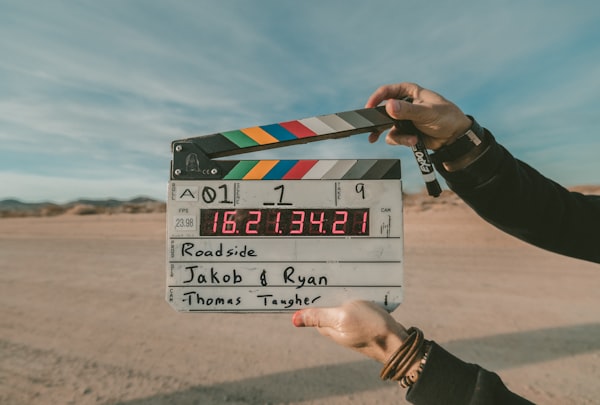
What the scene needs
- Scene diagnosis: emotional problem, subtext, pacing
- Restraint decisions: what NOT to score, and why
- Music vs. dialogue: supporting story without fighting picture

Musical Craft for Picture
What the music actually does
- Theme/motive transformation across cues
- Cue architecture: timing, pacing, hit-point strategy
- Orchestration clarity: density, register, playability
- Hybrid scoring: synths + acoustic without clutter
Workflow Discipline
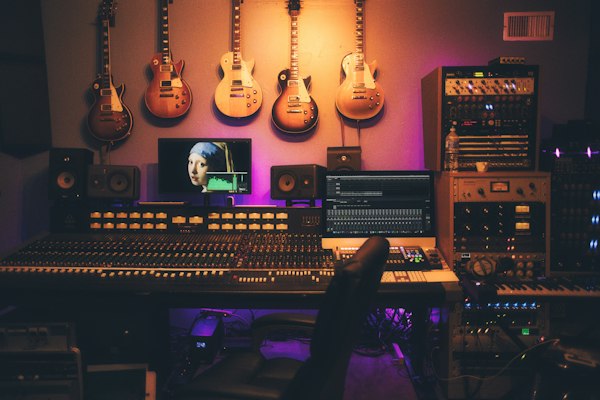
Professional survival
- Templates, routing, and recall reliability
- Session hygiene: track logic, organization, naming
- Version control: traceability under revisions
- Deliverables: stems, alternates, exports, cue labeling
Collaboration Language
How you work with people
- Interpret notes without ego
- Present alternates without drama
- Protect artistic identity while serving picture
Curriculum Modules
Cohorts publish exact sequencing per brief. Typical modules include:
Example Cohort Brief Types
- Single-scene deep dive: multiple versions for one scene (emotional + structural variations)
- Multi-scene arc: theme development across multiple cues
- Constraint brief: limited palette, dialogue-heavy scoring, strict clarity targets
- Hybrid brief: acoustic + modern production language with restraint rules
- Revision stress-test: contradictory notes → prioritize → deliver alternates
Exact briefs are published when cycles open.
Portfolio Outcomes
Outcomes depend on cohort briefs. Typical outcomes may include:
Nothing is promised unless stated in cohort guidelines — but the intent is consistent: professional coherence.

Placement & Readiness Levels
Placement exists to protect cohort quality and your experience.
When cohorts open, applicants may be asked for:
- 1–3 work samples (mockups or cues)
- DAW environment + export capability confirmation
- Optional portfolio link
- Short responses about scoring goals and experience level
Cohorts may be structured by readiness level:
- Foundation: workflow + spotting fundamentals
- Intermediate: multi-cue arc + revision cycles
- Advanced: complex briefs + heavier deliverables
Ethics, Credits & Picture Permissions
We take authorship and credit seriously.
- Participants retain rights to their original music.
- Any picture content is governed by cohort permissions and may be limited to private educational review.
- Public posting of clips/cues is allowed only when explicitly permitted by the cohort's rights and brief.
- We do not teach workflows designed to impersonate other composers or bypass rights.
Tools & Requirements
Typical requirements include:
Exact technical specs are published per cohort brief.

Global Access
This fellowship is designed to be globally accessible.
- Cohorts may include live seminars, labs, critiques, and revision windows
- Schedules are published per cohort
- Time zone considerations are built into cohort planning
Frequently Asked Questions
Do I need live players?
No. Mockups are acceptable. We focus on orchestration logic and professional delivery.
Is this only for film?
No. Scoring principles apply across film/TV/games; briefs vary by cohort.
Will you provide picture content?
Cohorts may use approved clips or licensed briefs; permissions and scope are defined per cycle.
Do you teach mixing/mastering?
We teach translation and deliverables standards. Final mastering is not guaranteed.
Do you guarantee placements or jobs?
No. We build craft, workflow discipline, and portfolio readiness.

Faculty & Mentorship
Mentors include faculty and invited artists with experience across composition, orchestration, production, and screen workflow.
Explore the Faculty Directory →
How to Begin
Join the Interest List to receive cohort announcements, submission guidelines, and sample briefs as cycles open.
Join the Interest List →
Join the Interest List
Receive cohort announcements, submission guidelines, and sample briefs as cycles open.