

Big Band
Professional big band discipline for ages 14-22
In-person residency and auditions begin in 2030.
Join the Interest ListBig Band at The Global Conservatory
A pre-professional large jazz ensemble designed to build real-world ensemble discipline, section leadership, and serious repertoire depth.
This is not school jazz band. It is a training environment where precision, time feel, and section accountability are the expectation.
What Is Open Now
In-person programming and auditions begin in 2030. Join the interest list for updates.
- Open now: Interest list enrollment
- Next: Audition guidelines released in 2030
- Then: Auditions open in 2030 for the first in-person cohort
We notify the interest list first.
At a Glance
A year-round big band experience combining virtual rehearsals and an intensive in-person residency.
Best For
Serious young jazz musicians ages 14-22
Format
In-person residency launches 2030. Virtual prep details released with auditions.
Ensemble Size
17-20 players across saxes, brass, and rhythm section
Outcomes
Performance-ready repertoire, recordings, and auditions readiness
"Big band is ensemble precision at scale. One weak link breaks the swing."
We train the discipline that makes the band lock.
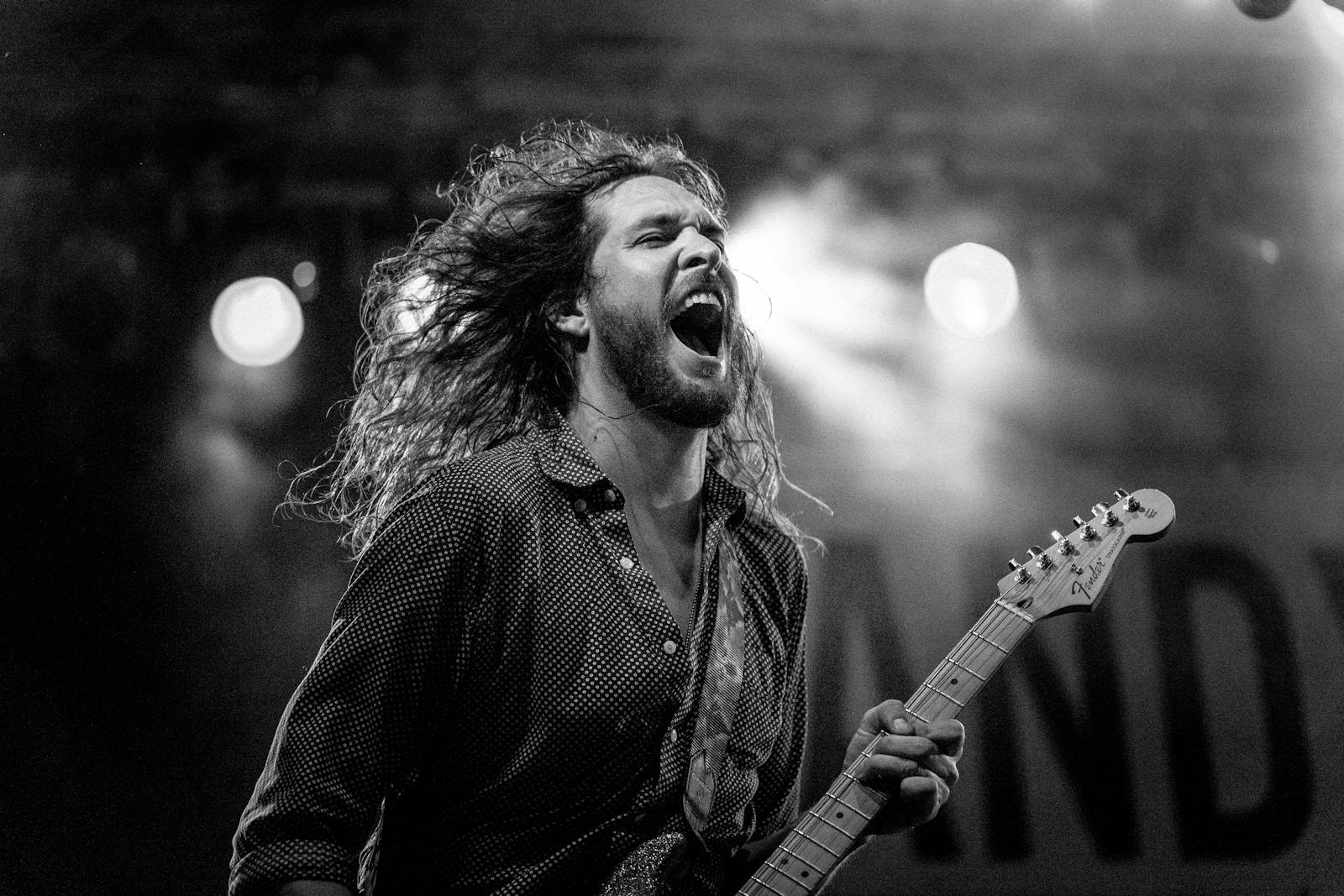
Big Band History and the Great Orchestras
Big band grew from the dance orchestras of the 1920s and became the signature sound of the swing era. Section writing, tight ensemble precision, and powerful solo voices defined the style.
After World War II, big bands shifted toward concert presentation, advanced arranging, and modern jazz vocabulary. Today, the tradition continues with new writing, fresh voices, and internationally accomplished touring ensembles.
Foundational big bands:
- Fletcher Henderson Orchestra
- Duke Ellington Orchestra
- Count Basie Orchestra
- Benny Goodman Orchestra
- Glenn Miller Orchestra
- Chick Webb Orchestra
- Artie Shaw Orchestra
Modern and contemporary leaders:
- Stan Kenton Orchestra
- Woody Herman Orchestra
- Buddy Rich Big Band
- Thad Jones/Mel Lewis (Vanguard Jazz Orchestra)
- Maynard Ferguson Big Band
- Maria Schneider Orchestra
- Lincoln Center Jazz Orchestra
- Gordon Goodwin's Big Phat Band
Why Big Band Training Matters
Large ensemble jazz exposes every weakness:
- unclear time feel and inconsistent attacks
- poor blend and weak section awareness
- reading that collapses under pressure
- soloing that ignores the ensemble context
We build section strength and ensemble discipline so the band feels inevitable.

We Teach How to Function as a Section
Big band success is built on reliable habits:
- Section leadership and role clarity
- Chart preparation before rehearsal
- Articulation discipline across the section
- Improvisation restraint inside the arrangement
- Professional rehearsal habits and accountability
A Simple, Uncompromising Rehearsal Flow
Repetition builds reliability. Reliability builds swing.
Signature Elements
These are the elements that separate serious big band training from casual ensemble work.
The Pillars
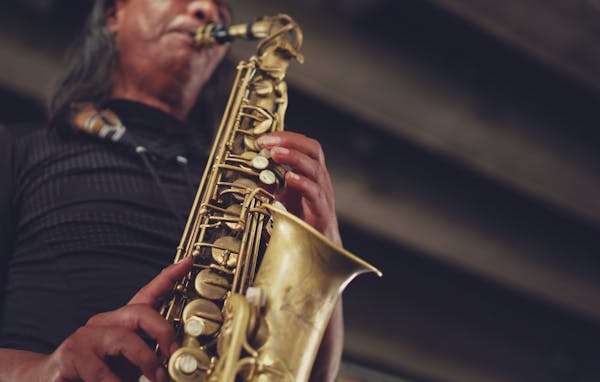
Section Discipline
Blend, balance, precision
- attacks and releases as one unit
- lead-to-section alignment
- dynamic control

Swing and Time Feel
The groove standard
- subdivision clarity
- time placement and consistency
- Latin and straight feels

Improvisation Craft
Soloing with context
- harmonic awareness
- phrase development
- solo-to-ensemble balance
Chart Literacy
Reading at speed
- accurate sight-reading
- style markings and articulations
- preparation habits
Training Modules
Modules are adjusted to the ensemble and repertoire each year. Typical focus areas include:
Sample Repertoire Categories
- Swing Era: Ellington, Basie, Strayhorn
- Bebop and Post-Bop: Thad Jones, Brookmeyer
- Contemporary: Maria Schneider, McNeely
- Latin Jazz: Machito, Tito Puente, O'Farrill
Charts are selected annually based on ensemble strengths.
Outcomes
Outcomes depend on the season and residency schedule. Typical outcomes include:
Outcomes scale with effort and preparation. This is a serious ensemble.
Section Needs and Readiness Levels
Placement depends on section openings and ensemble balance.
- Lead positions require range, endurance, and leadership
- Section positions are equally important and highly competitive
- Doubling (especially clarinet for saxes) is strongly encouraged
Cohorts may include different readiness levels based on audition strength.
Ensemble Culture
This is a serious training environment.
- Preparation is expected before every rehearsal.
- Respect for section leaders and rehearsal process is mandatory.
- We prioritize growth, accountability, and ensemble citizenship.
Tools and Readiness
Typical requirements include:
Exact details are shared after you request audition information.
Global Access
Weekly sectionals and monthly full-band sessions are virtual. The summer residency is in-person.
- Multiple time zones accommodated
- Virtual rehearsals for consistent momentum
- Residency provides immersion and performance
Frequently Asked Questions
Do I need big band experience to audition?
Prior big band experience is helpful but not required. Strong jazz foundation and reading skills are essential.
What if I cannot improvise well yet?
Improvisation develops through training. Basic jazz vocabulary is expected at entry, but polish comes through the program.
Are doublers given preference?
Doubling is strongly encouraged, especially clarinet for saxophones, but it is not required for admission.
What is the time commitment?
Weekly sectionals, monthly full-band sessions, and a 1-2 week summer residency. Expect 3-5 hours weekly.
Can international students participate?
Yes. Virtual rehearsals accommodate time zones. Residency and tours require travel.
Faculty and Mentorship
Section coaches and guest artists with professional big band and jazz performance experience.
Explore the Faculty Directory →
How to Begin
Request audition details, confirm section openings, and submit your materials.
Join the Interest List →
Join the Interest List
Be first to receive audition dates, residency details, and section openings for 2030.
Ready to Begin Your Journey?
Take the first step toward your performing arts education with The Global Conservatory.
For Institutions Bring TGC programs to your students — explore partnership tiers ›