
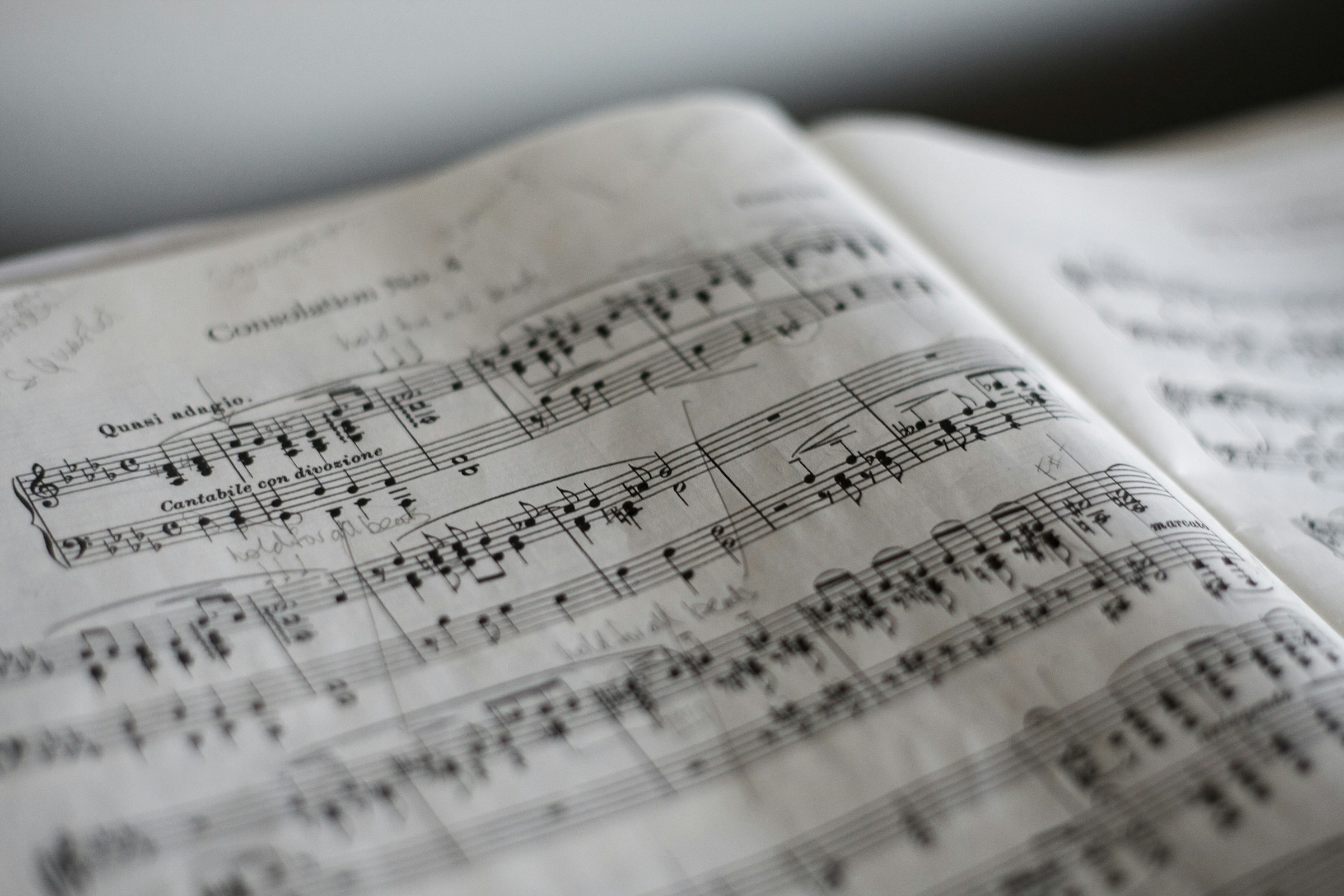
Jazz Composition
& Arranging
Write music that can be rehearsed, performed, and remembered.
Jazz Composition & Arranging at The Global Conservatory
Jazz composition and arranging is the art of designing freedom — structures that invite improvisation while remaining musically inevitable.
This program trains writers to build a portfolio of performance-ready work through revision culture, notation standards, and rehearsal practicality. From small-group language to large-ensemble architecture — trained with the craft standards of a premier conservatory and the rehearsal realities of professional ensembles.
Program Status
This program is in development. The Interest List is now open.
- Open now: Interest List enrollment
- Coming: Cohort dates, curriculum outlines, and placement guidelines
- Early access: Interest List members receive announcements first
At a Glance
Best For
Composers/arrangers, improvisers building a writing voice, educators writing for ensembles
Core Focus
Melody + harmony + form + orchestration + notation and rehearsal standards
Delivery
Seminar + writing lab + critique; regular submission deadlines
Outputs
Polished charts (combo and/or big band), score/parts discipline, portfolio readiness
"Readability is respect. Revision is authority."
Great jazz writing lives in two worlds at once: deep craft on the page, and real life in rehearsal and performance.
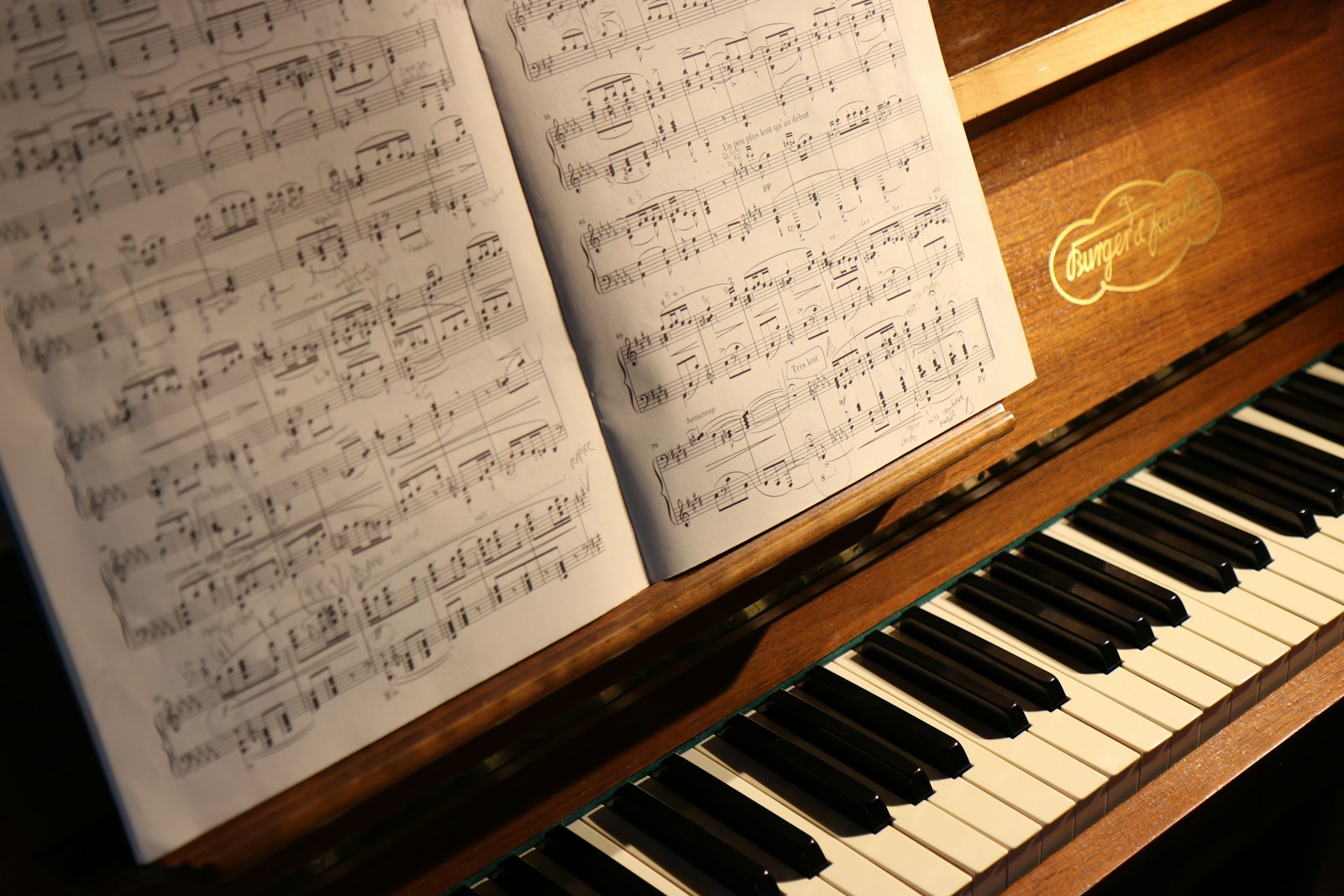
Why This Program Exists
In jazz, the composer and arranger is also a leader: you shape the ensemble's identity, define the improvisational playground, and create the conditions for musicians to sound like themselves.
Yet many musicians are never taught how to design for improvisation, how to pace energy across a set, or how to write parts that musicians can actually rehearse quickly.
This program exists to train writers who can deliver: music that sounds alive in performance and survives the rehearsal room.


What "Serious Writing" Means Here
- The chart reads immediately — Clarity without over-explaining
- The form holds under improvisation — Freedom inside architecture
- The orchestration survives rehearsal — Balance, register, density, practicality
- The second draft is smarter — Revision improves the piece, not just the PDF

Core Pillars of Training
Training is grounded in listening, analysis, writing practice, and rehearsal-minded craft.

Writing Lab Culture
This is not a lecture series. It is a lab with deadlines and revision expectations.
Writers improve by writing and rewriting. Revision is where craft becomes audible. Critique targets fixable musical problems: harmony clarity, form coherence, orchestration balance, and whether the chart will rehearse efficiently.
- Regular submissions (short studies and full charts)
- Structured critique and revision priorities
- Rehearsal-minded feedback: how parts will feel to players
- Portfolio discipline: consistent formatting and professional presentation
The Studio Loop
Curriculum Modules
Exact sequencing may vary by cohort. Typical modules include:
What You Produce
Participants build a portfolio designed for real performance contexts.
The Performance-Ready Package
What "finished" means here:
What You'll Be Trained To Do
Common Failures
Most writers aren't lacking talent — they're lacking a reliable process. This program targets the classic breakdowns:
How the Program Runs
Cohorts balance instruction with output.
Live Seminars
Listening, analysis, and craft technique
Writing Labs
Guided composing blocks and orchestration practice
Critique Circles
Structured notes + revision priorities
Optional Mentorship
Limited availability

Admissions & Placement
Placement protects your growth. You should be ready to write and revise consistently.
Exact requirements are published per cohort. Typical indicators include musical literacy and willingness to revise.
- You may be asked for 1–3 writing samples (scores or recordings)
- Basic literacy in notation is recommended (or willingness to learn quickly)
- Writers may be placed into different cohort intensities depending on experience
Tools & Requirements
To participate fully, you need a way to write and share scores.
Reading-Ready Portfolio Standards
Serious writing is writing that survives rehearsal. We treat notation and part preparation as professional craft, not administrative chores.
- Score layout discipline: spacing, cueing, bar numbers, rehearsal marks
- Part extraction standards: page turns, clarity, consistent formatting
- Rhythm section clarity: chord symbols, hits, figures, form markers
- Player respect: challenging without being careless or impractical
"A beautiful idea is not finished until the parts are clean."
Frequently Asked Questions
Do I need big band experience?
Not necessarily. Cohorts may include combo-focused and large-ensemble-focused writers.
Do I need notation software?
Yes — you need a reliable way to produce readable PDFs; options vary.
Will you help me develop a personal voice?
Yes. We push beyond imitation into coherence and identity.
Do we get readings?
Readings/showcases may be offered when scheduled; they are not guaranteed.
Can educators join?
Yes. Many educators strengthen ensemble writing through this program.
Faculty & Mentorship
Mentors include composers, arrangers, and educators with deep experience in jazz language and ensemble writing.
Explore the Faculty Directory →
How to Begin
Join the Interest List for early access to cohort announcements, curriculum outlines, and placement guidelines.
Join the Interest List →
Join the Interest List
Receive cohort announcements, curriculum outlines, and placement guidelines as cycles open.