
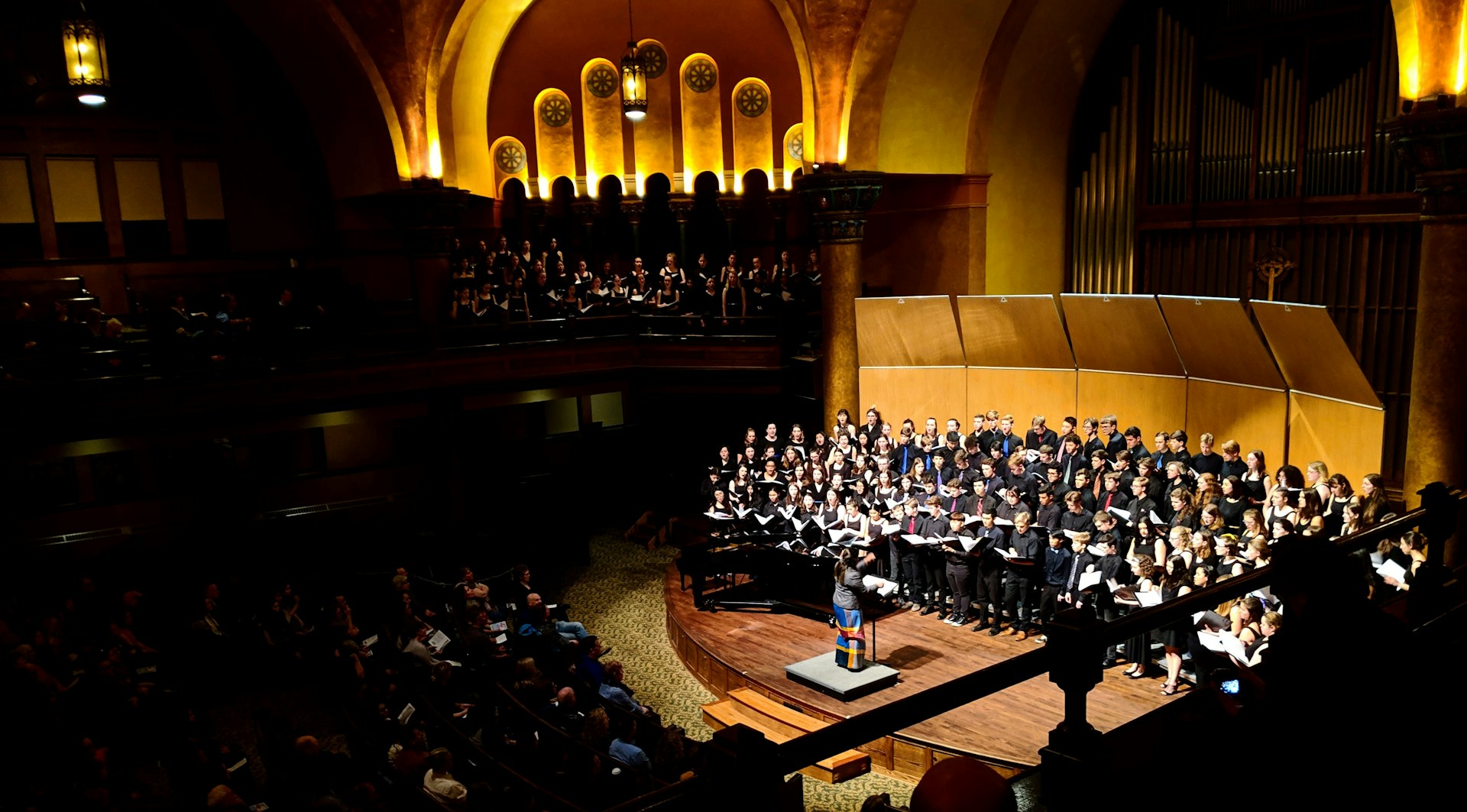
Performance & Specialization
Certificates
Elevate Your Artistry to the World Stage
From chamber music mastery to solo recital excellence, jazz improvisation to opera performance — our Performance & Specialization certificates develop the artistry, technique, and stage presence that define internationally accomplished musicians.
Why Performance & Specialization?
Performance is the ultimate expression of musical artistry — the moment where years of practice, study, and creative development converge in a shared experience with an audience. Our Performance & Specialization track takes accomplished musicians to the next level: refining technique, deepening interpretive skills, and building the professional toolkit needed for a performing career.
Spanning seven certificates — from chamber music and solo recital mastery to jazz improvisation and opera — our programs connect you with master performers and pedagogues who have graced the world's most prestigious stages. Each certificate combines performance coaching, repertoire study, historical context, and career preparation.
View All Programs →
Performance & Specialization Programs
Choose your specialization. Each program combines expert instruction, hands-on projects, and industry mentorship.
Chamber Music Performance
Develop ensemble communication, collaborative interpretation, and the art of musical conversation.
Solo Recital Mastery
Perfect the art of solo programming, stage presence, and interpretive depth for recital performance.
Jazz Performance & Improvisation
Master jazz harmony, improvisation techniques, and ensemble playing across the jazz tradition.
World Music Studies
Explore global musical traditions — from Indian raga to African polyrhythm to Middle Eastern maqam.
Historical Performance Practice
Study historically informed performance approaches for Baroque, Classical, and early Romantic repertoire.
Conducting Fundamentals
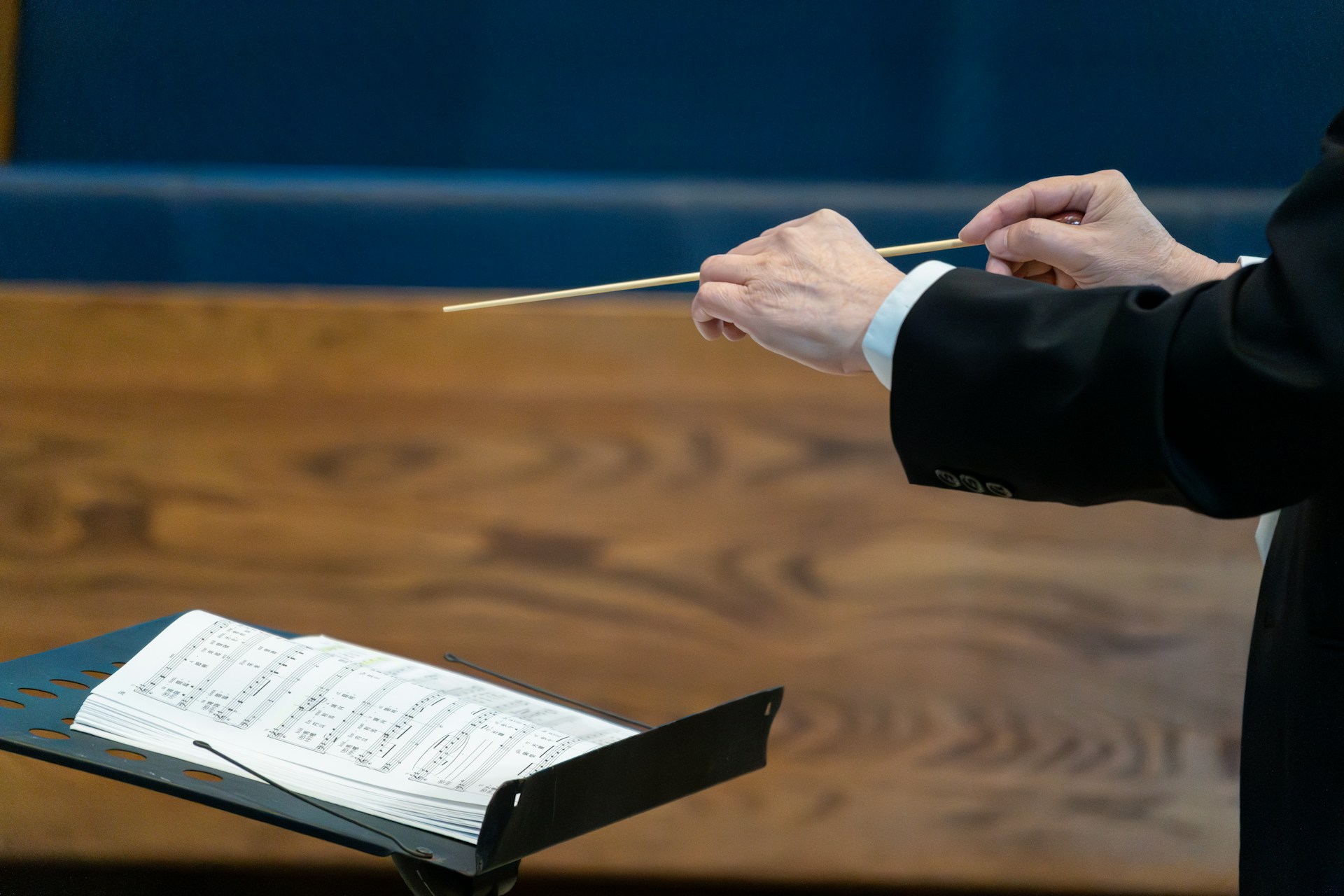
Develop clear baton technique, score study skills, and rehearsal leadership for ensemble directing.
Opera & Vocal Performance
Combine vocal technique with dramatic interpretation, staging, and the operatic repertoire tradition.
Contemporary Vocal Coaching
Develop advanced skills in coaching contemporary vocal styles, from pop and R&B to musical theater, focusing on technique, repertoire selection, and performance preparation.
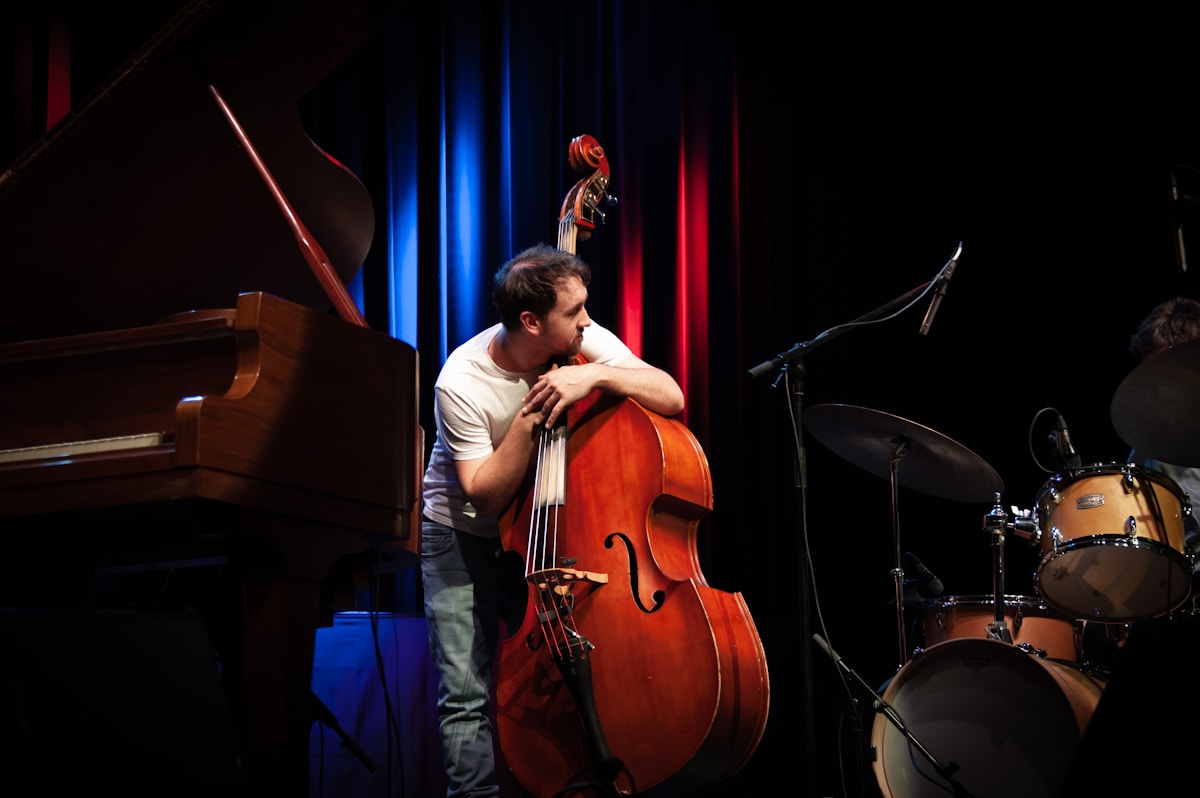
Master-Level Coaching
Every performance certificate includes regular one-on-one coaching with master performers — artists who have performed at Carnegie Hall, opera houses around the world, and major jazz festivals worldwide. Their guidance addresses not just technique, but the deeper artistic questions that define a performing career.
Get Started
Performance Opportunities
Learning to perform requires performing. Our programs include virtual recital series, masterclass participation, competition preparation, and collaboration with fellow certificate students. You will build performance experience in a supportive, constructive environment designed to accelerate your growth.
Where These Certificates Lead
Our graduates pursue diverse careers across the music and media industries. Here are some of the paths our performance & specialization alumni follow.
“The aim of art is not to represent the outward appearance of things, but their inward significance.”
What Our Students Say
Student Voices — Coming Soon
Testimonials from students will be published as our programmes mature. Our certificates are designed to deliver real professional skills and career outcomes.

Stack Certificates,
Build Expertise
Many students combine multiple performance & specialization certificates to build comprehensive expertise. Each program feeds into the next — earlier coursework becomes the foundation for advanced specialization. Talk to our admissions team about creating a custom learning path tailored to your goals.
Plan Your Path →Frequently Asked Questions
Performance certificates generally require an intermediate to advanced playing level. You should be comfortable performing standard repertoire for your instrument or voice. Specific audition or assessment requirements are listed on each certificate page.
Live performance coaching sessions use high-quality video with optimized audio settings. Students also submit recorded performances for detailed faculty feedback. Many students find that the ability to review recorded feedback repeatedly enhances their learning.
Most certificates welcome all instruments and voice types. Opera & Vocal Performance is voice-specific, while Conducting Fundamentals welcomes all instrumentalists and vocalists.
Yes. Chamber Music Performance is entirely ensemble-focused, and most other certificates include collaborative projects. Our virtual ensemble platform enables real-time and asynchronous collaboration with fellow students worldwide.
HIP focuses on performing Baroque, Classical, and early Romantic music using historically informed techniques — including ornamentation, tuning systems, and period-appropriate stylistic choices. It is ideal for performers interested in early music.
Repertoire varies by certificate. You will study standard works in your discipline while also exploring lesser-known repertoire. Faculty guide repertoire selection based on your technical level, artistic interests, and career goals.
Yes. Several certificates include specific modules on competition preparation — from repertoire selection and stage deportment to managing performance anxiety and working with accompanists.
Absolutely. A performer who also understands business (marketing, management) or pedagogy (teaching) has a more sustainable career. We encourage cross-track exploration.
Our programs address performance psychology directly. You will learn evidence-based strategies for managing anxiety, building confidence, and developing the mental resilience that professional performers require.
Through recorded performances submitted throughout the program, live virtual recitals, and a capstone performance that serves as your program culmination. All recordings become part of your professional portfolio.
Request Information
Complete the form below and an admissions counselor will reach out within 48 hours to discuss your performance & specialization path.
Begin Your Performance & Specialization Journey
Join a global community of creators, engineers, and innovators. Our performance & specialization certificates give you the skills, portfolio, and network to succeed.
Guitar Career Track
Related Performance Resources
What Our Students Say
Real results from TGC graduates and current students
“The feedback from my instructor completely transformed my approach to audition preparation. I secured a position in a professional orchestra within six months.”
Sarah M. — Orchestral Performance Certificate
Ready to Elevate Your Performance?
Take your artistry to the next level with specialized performance training from internationally accomplished faculty.
For Institutions Bring TGC programs to your students — explore partnership tiers ›