

Jazz Performance & ImprovisationMastering the Art of Spontaneous Musical Creation
Performance & Specialization Track
A six-month intensive program in jazz musicianship, improvisation, harmony, and the art of spontaneous musical conversation.
The Jazz Performance & Improvisation Certificate at The Global Conservatory is a six-month, performance-driven program that trains you to improvise fluently over chord changes, master jazz harmony, develop an authentic swing feel, and build a working repertoire of jazz standards. Delivered 100% online at an intermediate level, this program is designed for musicians who have foundational skills and are ready to develop the harmonic vocabulary, rhythmic sophistication, and creative spontaneity that define jazz artistry.
Through guided improvisation exercises, transcription study, combo performance workshops, and deep engagement with jazz history from bebop to contemporary styles, you will develop both the technical facility and the artistic voice that allow you to communicate authentically in the jazz language.
Why This Certificate
Jazz is America's classical music and the most profound laboratory for musical creativity ever developed. To improvise is to compose in real time, drawing on deep knowledge of harmony, rhythm, melody, and form.
The conversation between tradition and innovation that defines jazz develops the deepest musical skills any musician can possess: the ability to listen, respond, create, and communicate spontaneously.
This program immerses you in the jazz tradition while developing your personal voice. You will study the masters, internalize the language, and learn to speak it with your own accent. Every session is a step closer to the freedom that only comes from deep knowledge and relentless practice.
Focus Areas
Three Core Disciplines
The program is structured around three interconnected disciplines that together form the complete skill set of a fluent jazz musician and improviser.
Improvisation
Melodic development, harmonic navigation, rhythmic vocabulary, and motivic improvisation. Learn to create compelling solos that tell a story over any set of chord changes with confidence and authenticity.
Jazz Harmony & Theory
Chord-scale theory, ii-V-I progressions, reharmonization, and voice leading. Build the theoretical foundation that allows you to hear, understand, and navigate the harmonic language of jazz fluently.
Repertoire & Style
Standard repertoire, bebop, modal jazz, post-bop, fusion, and contemporary styles. Develop a working repertoire of essential standards and understand the stylistic evolution that makes jazz a living art form.

Foundation Skill
Harmonic Navigation
The ability to hear chord changes and navigate them fluently is the foundation of jazz improvisation. This program develops your harmonic ear and theoretical understanding simultaneously, so that you can play over any progression with confidence and musical intelligence.
- Playing over changes using guide tones, chord tones, arpeggios, and scale choices that outline the harmony clearly
- Approach note techniques including chromatic, diatonic, and double chromatic approaches to target notes
- Enclosure patterns and bebop vocabulary that connect chord tones with rhythmic and melodic sophistication
- Hearing and responding to harmonic rhythm, turnarounds, substitutions, and reharmonization in real time
Hear the changes. Feel the changes. Then forget the changes and play the music.
The Groove
Rhythmic Mastery
Jazz without swing is not jazz. This program develops the rhythmic vocabulary and time feel that distinguish authentic jazz performance from mere note reading. You will internalize the swing feel, explore polyrhythm and displacement, and develop the rhythmic freedom that allows you to play across the beat with confidence.
- Swing feel development through listening, imitation, and systematic exercises with metronome displacement
- Polyrhythmic awareness including superimposing three over four, five over four, and metric modulation
- Rhythmic displacement and anticipation techniques that create tension and forward motion in your solos
- Groove and pocket playing for combo contexts where listening and rhythmic interaction define the music
Time is the foundation. Swing is the language. Groove is the conversation.

The Tradition
Giants of Jazz
You study in a tradition shaped by the most influential improvisers in music history. Their innovations define the language you will learn to speak with your own voice.
"Jazz is not just music. It is a way of thinking, a way of being in the world where every moment is an opportunity to create."The jazz philosophy of The Global Conservatory
Charlie Parker
Bebop Pioneer
Revolutionized jazz improvisation with virtuosic speed, harmonic sophistication, and melodic invention that changed music forever
Miles Davis
Visionary Innovator
Reinvented jazz across five decades from cool jazz to modal to fusion, proving that evolution is the essence of the art
John Coltrane
Spiritual Explorer
Pushed harmonic and spiritual boundaries with sheets of sound and a relentless quest for transcendence through music
Thelonious Monk
Harmonic Genius
Created a utterly original harmonic and rhythmic world that proved individuality is the highest jazz value
Bill Evans
Harmonic Poet
Transformed jazz piano with impressionistic harmony, lyrical voicings, and an intimate conversational trio approach
Ella Fitzgerald
Vocal Mastery
Defined jazz vocal improvisation with impeccable intonation, rhythmic brilliance, and a scat vocabulary that rivaled any instrumentalist
Herbie Hancock
Genre Transcender
Bridged jazz, funk, electronic, and pop while maintaining the improvisatory spirit that makes jazz a living art
Wayne Shorter
Composer-Improviser
Unified composition and improvisation into a single creative act, writing some of the most performed standards in the jazz canon

Learning the Language
Transcription & Vocabulary
Every great jazz musician learned the language by listening to and transcribing the masters. Transcription is the most effective method for internalizing jazz vocabulary, understanding phrasing, and developing your personal voice by absorbing the tradition deeply before innovating upon it.
- Systematic transcription techniques from ear training to notation to analysis of harmonic and rhythmic choices
- Learning phrases in all twelve keys to develop facility and ensure vocabulary is available in any harmonic context
- Analyzing the improvisational strategies of master soloists across bebop, modal, post-bop, and contemporary styles
- Building a personal vocabulary book of transcribed phrases organized by harmonic context and musical function
Absorb the tradition deeply enough that when you improvise, the masters speak through your own voice.
Career Path
The Jazz Career Today
The modern jazz ecosystem offers diverse opportunities for musicians who combine strong musicianship with entrepreneurial thinking. This program addresses the business of jazz with the same depth it applies to the art, preparing you to build a sustainable career in an evolving musical landscape.
- Finding and creating gig opportunities from club dates and festivals to private events and corporate functions
- Recording career development including self-produced albums, streaming strategy, and label relationships
- Teaching as a career pillar including private instruction, workshops, masterclasses, and educational residencies
- Touring logistics, artist branding, social media presence, and building a sustainable jazz career in the digital age
The music is the foundation. The career is built by those who treat the business with the same seriousness as the art.
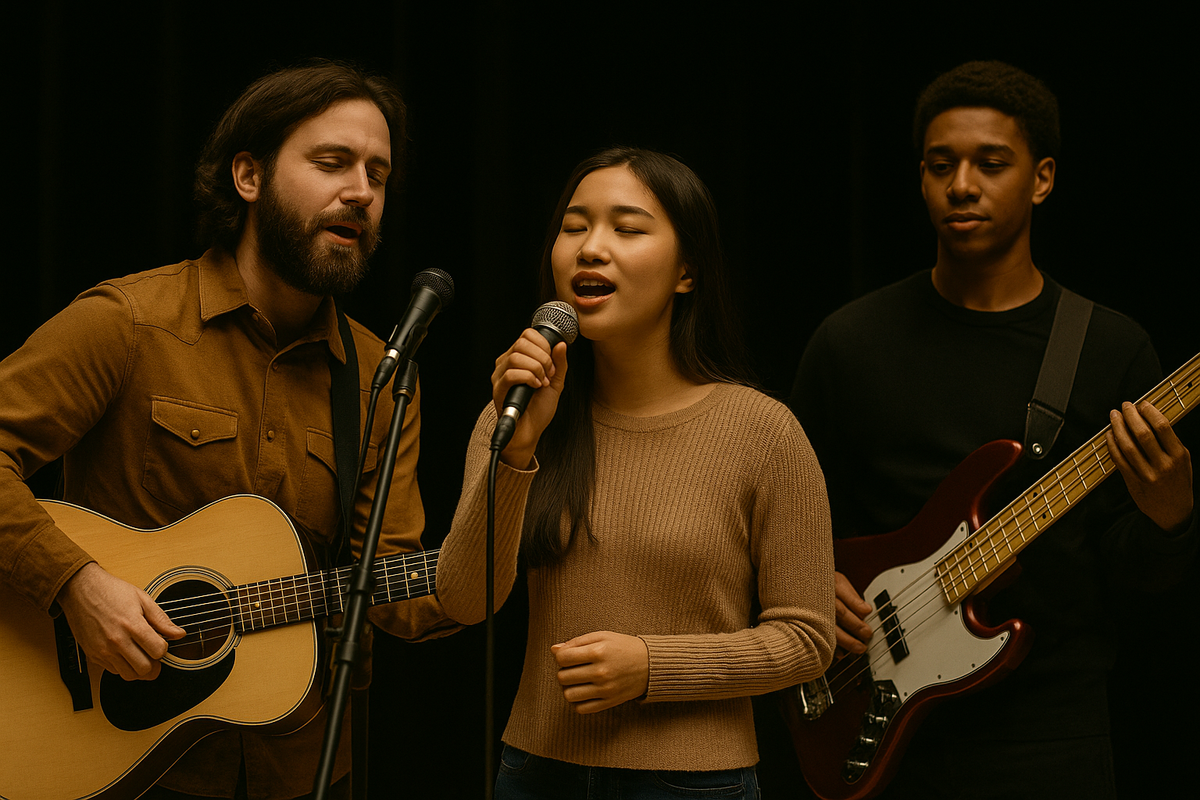
Full Curriculum
What You'll Learn
A comprehensive six-month curriculum covering every dimension of jazz performance, from improvisation fundamentals and harmony to combo playing and career strategy.
Improvisation Fundamentals
- Melodic development and motivic improvisation
- Playing over common chord progressions
- Building solos with arc and narrative
- Developing a personal improvisational voice
Jazz Harmony & Voice Leading
- Chord-scale theory and modal interchange
- ii-V-I progressions in all keys
- Reharmonization and substitution techniques
- Voice leading for comping and arranging
Swing & Rhythmic Feel
- Swing eighth note feel and articulation
- Polyrhythm and metric displacement
- Playing on top, behind, and across the beat
- Groove and pocket in ensemble contexts
Standard Repertoire
- Essential standards from the Great American Songbook
- Bebop heads and contrafacts
- Modal jazz compositions and forms
- Contemporary jazz standards and originals
Transcription & Analysis
- Ear-based transcription methodology
- Analyzing master soloists across eras
- Transposing vocabulary to all keys
- Building a personal phrase vocabulary
Combo Playing & Interaction
- Listening and responding in real time
- Comping and accompaniment techniques
- Trading fours and collective improvisation
- Rehearsal leadership and setlist design
In jazz, every note is a choice, every phrase a conversation, every performance a unique creation that will never exist again in exactly the same way.
The jazz philosophy of The Global ConservatoryGraduation
Capstone Project & Graduation Deliverables
By the end of the six-month program, each student completes a professional portfolio that demonstrates mastery across all dimensions of jazz performance and improvisation:
- Recorded improvisation portfolio featuring solos over at least 8 standards across multiple styles and tempos
- Transcription collection of 6 complete solos by master improvisers with detailed harmonic and rhythmic analysis
- Original jazz composition demonstrating command of jazz harmony, form, and melodic writing
- Combo performance recording showcasing ensemble interaction, comping, soloing, and musical communication
- Jazz history essay exploring the evolution of a specific style, artist, or concept within the jazz tradition
Certificate & Badges Awarded
Jazz Performance Certificate
Awarded upon successful program completion and portfolio review
Digital badges earned:
Your Journey
Program Timeline
A structured six-month progression from foundational jazz vocabulary to fluent improvisation and ensemble performance.
Foundations
Jazz theory fundamentals, chord-scale relationships, basic ii-V-I vocabulary, swing feel development, beginning transcription work, and introduction to standard repertoire.
Vocabulary Building
Advanced harmonic navigation, bebop vocabulary, approach note techniques, transcription analysis, expanding repertoire across styles, and beginning combo interaction.
Style & Expression
Modal jazz improvisation, post-bop and contemporary approaches, rhythmic sophistication, original composition, combo performance workshops, and developing personal voice.
Capstone
Portfolio recording sessions, combo performance preparation, transcription collection completion, original composition finalization, jazz history essay, and career strategy.
Student Voices
What Students Say
Student Voices — Coming After Our Inaugural Cohort
TGC's founding cohort begins in 2026. Verified student testimonials will be published here once real students have completed programmes and provided written consent to share their experience.
Questions
Frequently Asked Questions
Your Weekly Learning Rhythm
A structured cadence designed to build mastery through consistent practice, expert feedback, and peer collaboration.
Apply Now
Request Information
Ready to develop your jazz voice? Complete this form and our admissions team will connect with you to discuss the program, assess fit, and answer your questions.
Our Instructors
Meet the Faculty
Learn from accomplished jazz musicians and educators with active performing careers and deep experience in jazz pedagogy.
Faculty profiles for the Jazz Performance program are being curated. Check back soon or browse all faculty.
Find Your Voice.
Develop the harmonic knowledge, rhythmic sophistication, and creative spontaneity that define authentic jazz musicians. Learn to improvise fluently, play standards with confidence, and communicate in the universal language of jazz.
About This Credential
The Global Conservatory issues professional certificates and credentials. TGC certificates are non-degree credentials designed to validate specialized skills and knowledge. They do not represent academic degrees, college credits, or accredited diplomas. For questions about credential recognition, visit our credential verification page.
Start Your Journey
Ready to Enroll?
Submit your interest and our admissions team will contact you with program details, pricing, and next steps.
No commitment required. Financial aid available for qualifying students.