
The Global Conservatory
Historical Performance PracticePerformance & Specialization
Rediscovering the authentic voices of music history — from Baroque ornamentation to Classical elegance through historically informed performance.
The Certificate in Historical Performance Practice at The Global Conservatory is a 6-month immersive program for intermediate musicians who want to understand how music was actually performed in its own time. You will study Baroque ornamentation, continuo realization, Classical period articulation, historical temperaments, and the rhetorical approach to musical expression that defined centuries of performance.
This is not antiquarian recreation. Historically informed performance (HIP) is a living, evolving approach that asks us to question received traditions, consult primary sources, and make interpretive choices based on evidence rather than habit. Our faculty includes performers and scholars who have recorded, toured, and published within the HIP movement, bringing both practical mastery and scholarly depth.
Why This Certificate
For centuries, musicians have been interpreting Bach, Mozart, and Beethoven through the lens of their own time. But what if we could hear this music as its creators intended? What if understanding historical context could transform not just how we play old music, but how we understand all music?
The historically informed performance movement has revolutionized classical music. By returning to primary sources — treatises, letters, manuscripts, and surviving instruments — HIP practitioners have rediscovered lost ornaments, forgotten tempos, and expressive techniques that bring old scores startlingly to life.
This certificate does not ask you to abandon modern performance. Instead, it gives you the knowledge to make informed interpretive choices — whether you perform on period instruments or modern ones. Understanding how music was performed in the past makes you a more thoughtful, versatile, and expressive musician in the present.
Specialty Tracks
Three Core Disciplines
The certificate is organized around three interconnected pillars that together form a comprehensive understanding of historically informed performance.
Baroque Performance
Master the art of Baroque ornamentation, continuo realization, and the rhetorical approach to musical expression. Study French and Italian stylistic differences, dance rhythms and their influence on instrumental music, and the improvisatory traditions that were central to Baroque musicianship.
Classical Style
Explore the articulation practices, phrasing conventions, and expressive techniques of the Classical period. Study fortepiano repertoire, Mozartean performance style, early Beethoven interpretation, and the transition from Baroque aesthetics to the rhetoric of Empfindsamkeit and Classical balance.
Research & Scholarship
Develop skills in reading historical treatises, analyzing iconographic evidence, working with critical editions, and interpreting primary sources. Learn to build performance decisions on documentary evidence rather than inherited tradition, bridging the gap between musicology and practice.
Core Discipline
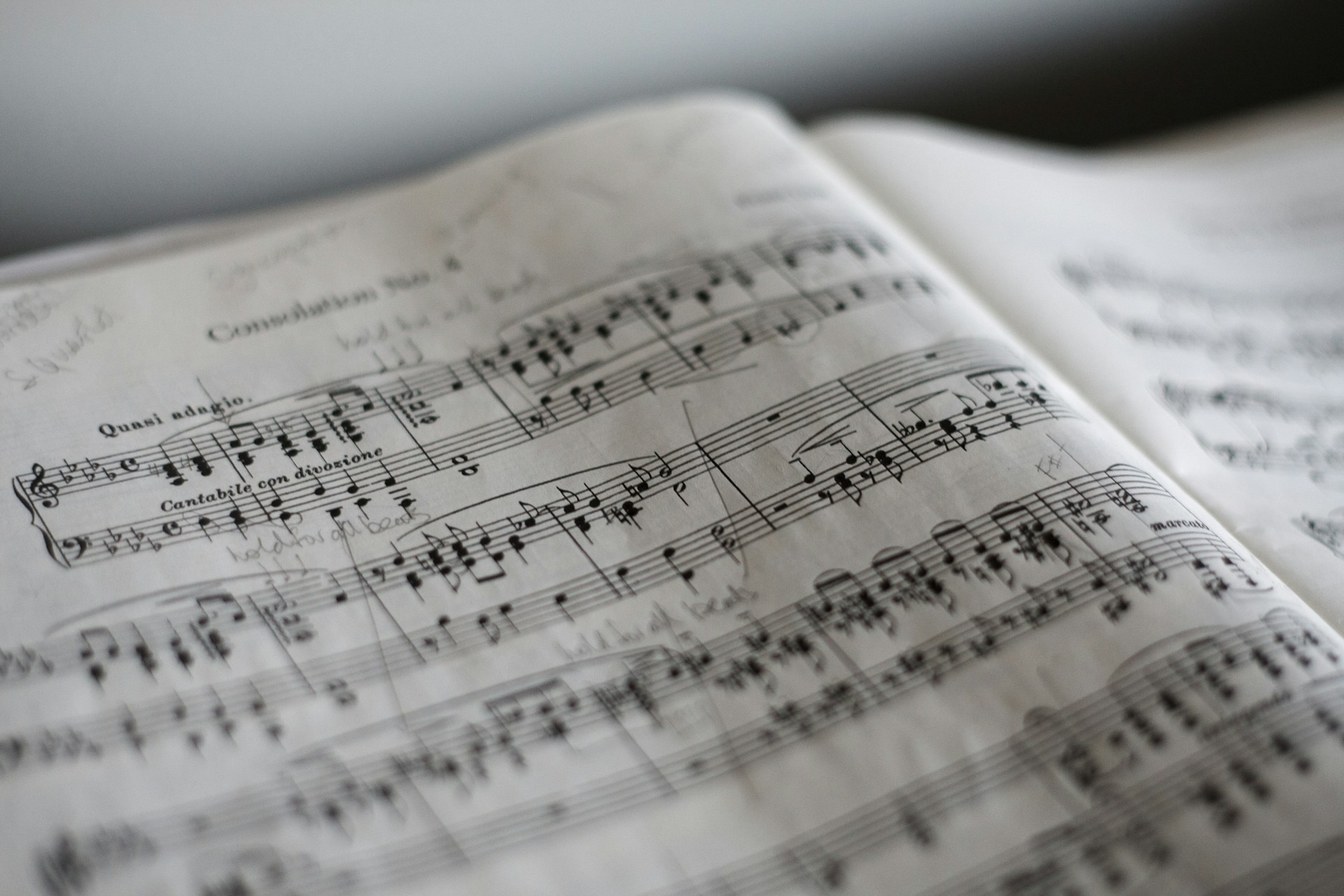
Baroque Ornamentation
Ornamentation in the Baroque era was not decoration — it was the very language of musical expression. A plain melodic line was merely a skeleton; the performer was expected to clothe it in trills, mordents, appoggiaturas, and diminutions that conveyed the affect and character of each phrase. This track teaches you to ornament with the fluency and taste of a Baroque musician.
You will study the French table of agrements, Italian diminution practice, the difference between essential and arbitrary ornaments, and the contextual rules that govern when, where, and how to ornament. Through close reading of treatises by C.P.E. Bach, Quantz, and Tartini, you will develop a historically grounded approach to embellishment.
- Trills, mordents, turns, and appoggiatura: execution and context
- French agrements: port de voix, pince, coule, and the Couperin tradition
- Italian diminution: Corelli, Tartini, and the art of divisions
- Da capo aria ornamentation and improvised cadenzas
Where every ornament speaks with purpose.
Period Sound
Historical Instruments
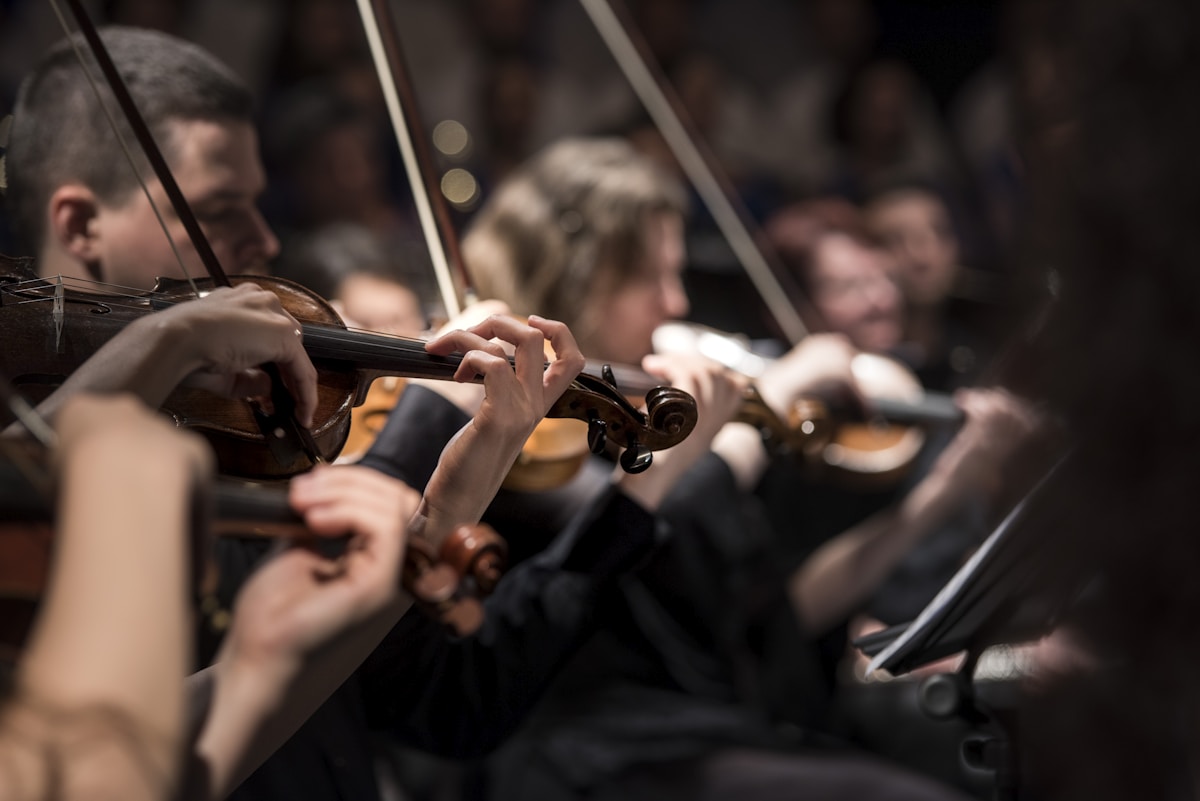
The instruments of the 17th and 18th centuries were profoundly different from their modern descendants. Baroque violins used gut strings and a shorter, convex bow that produced a naturally articulate, speech-like tone. The traverso flute had a more intimate, flexible character than the modern Boehm flute. The fortepiano offered dynamic nuances impossible on the modern grand. Understanding these instruments transforms your interpretation, even on modern equipment.
This track explores the characteristics, capabilities, and limitations of period instruments — not to demand that you play them, but to ensure your interpretive decisions are informed by the sonic world the composers inhabited.
- Baroque violin and bow: gut strings, convex bow, and articulation
- Traverso, recorder, and historical woodwinds
- Natural horn and trumpet: hand-stopping and lip technique
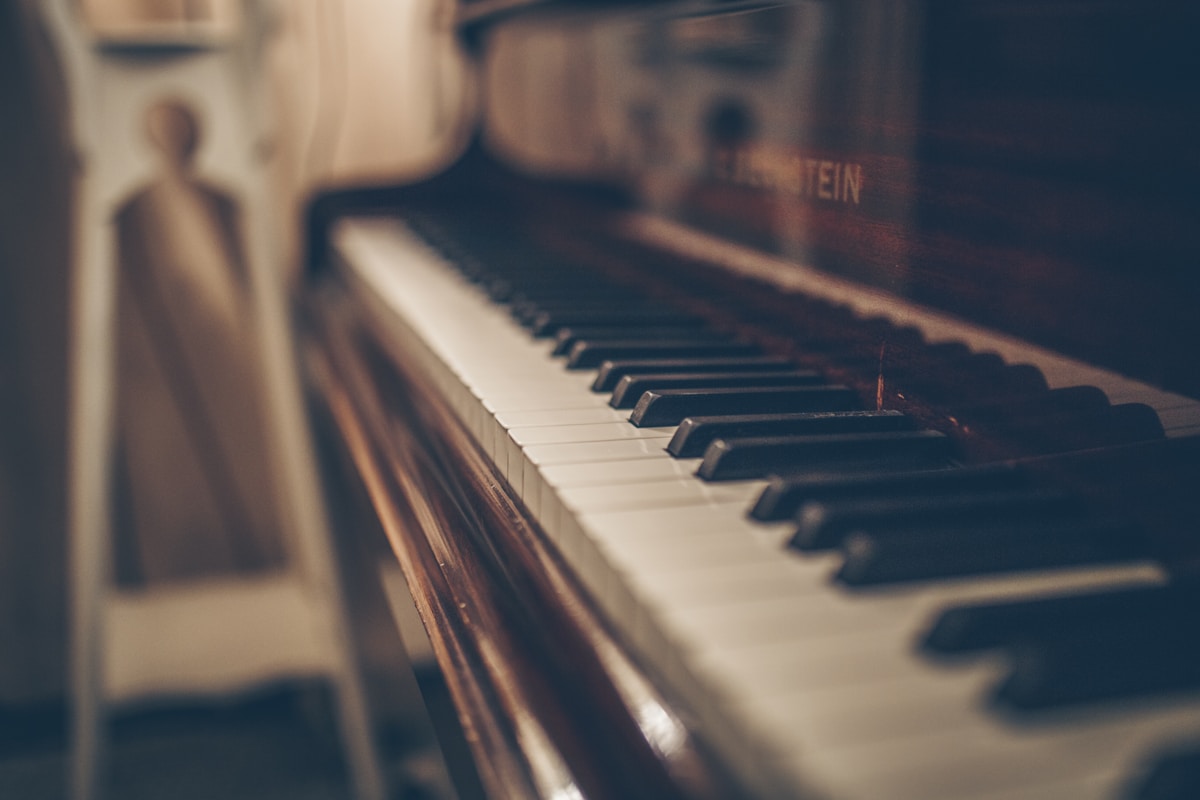
- Harpsichord and fortepiano: touch, registration, and voicing
Hear through the ears of history.
Inspired By Pioneers
The Visionaries Who Revived Historical Performance
These conductors, performers, and scholars launched a revolution in how we hear and perform music from the past, transforming historical performance from a fringe pursuit into one of the most vital movements in classical music.
"We must try to hear this music as if for the first time — free from the accretions of centuries."— Nikolaus Harnoncourt
Nikolaus Harnoncourt
Conductor / Cellist
Pioneered the HIP movement from the 1950s onward, challenging orchestral conventions and bringing rhetorical analysis to Baroque and Classical performance
Gustav Leonhardt
Harpsichord / Organ
The intellectual architect of the HIP harpsichord revival, whose recordings of Bach set standards for historical keyboard performance that endure today
Christopher Hogwood
Conductor / Musicologist
Founded the Academy of Ancient Music and brought historically informed Mozart and Beethoven to mainstream audiences through groundbreaking recordings
John Eliot Gardiner
Conductor
Led the Monteverdi Choir and English Baroque Soloists in revelatory performances of Bach cantatas and Beethoven symphonies on period instruments
Jordi Savall
Viola da Gamba
Revived the viola da gamba as a concert instrument and championed the music of Marin Marais, bringing early music to global audiences with passionate advocacy
Rachel Podger
Baroque Violin
One of the foremost Baroque violinists of our era, whose recordings of Bach and Biber demonstrate the expressive power of period violin technique
Masaaki Suzuki
Conductor / Organist
Through his Bach Collegium Japan, completed a landmark recording of Bach's complete sacred cantatas, bringing Japanese precision to German Baroque
Ton Koopman
Harpsichord / Organ
Founder of the Amsterdam Baroque Orchestra, whose ebullient interpretations of Bach and Buxtehude revealed the joy and dance in Baroque music
Tuning Systems
Temperament & Tuning
Before equal temperament became the standard in the 20th century, musicians tuned in systems that gave each key a distinct character. Meantone temperament made C major pure and luminous while rendering distant keys unusable. Well-temperaments gave every key a playable but unique color, creating the tonal palette that inspired Bach's Well-Tempered Clavier.
This track explores the science and art of historical tuning — from the mathematics of just intonation to the practical compromises of various temperaments. You will learn to tune a harpsichord in meantone, understand the affective implications of key choice in Baroque music, and grasp why historical pitch (A=415) changes the character of the music.
- Meantone, Werckmeister, Kirnberger, and Vallotti temperaments
- Just intonation and the physics of consonance and dissonance
- Historical pitch standards: A=415, A=392, and the Baroque pitch debate
- Key character and affect: why D major sounds different in meantone
When tuning becomes interpretation.
Modern Application
HIP in Modern Performance
Historical awareness does not require period instruments. The most valuable insight of the HIP movement is that understanding historical context transforms interpretation on any instrument. A modern pianist who understands fortepiano technique and Classical articulation plays Mozart differently — and more convincingly — than one who does not. A modern orchestra that understands Baroque rhetoric brings a vitality to Bach that no amount of technical polish alone can achieve.
This track explores how to apply historical knowledge to modern performance, how to build historically informed programs that educate and engage audiences, and how HIP principles are reshaping orchestral performance, chamber music, and solo recital practice worldwide.
- Applying historical articulation and phrasing to modern instruments
- Program building: contextualizing repertoire for modern audiences
- Historically informed teaching: bringing HIP to the studio
- The future of HIP: 19th-century performance practice and beyond
Old knowledge. New performances. Timeless music.
Full Curriculum
What You'll Learn
Six comprehensive modules covering the breadth and depth of historically informed performance — from ornamentation to musicological research.
Baroque Performance Practice
- French and Italian Baroque styles and their differences
- Dance rhythms: sarabande, gigue, courante, menuet
- Baroque rhetoric: figures, affects, and musical speech
- Improvisation in Baroque music: preludes and fantasias
Classical Period Style
- Classical articulation: detached notes, two-note slurs, accents
- Mozartean performance style: tempo rubato and phrasing
- Fortepiano technique and its influence on repertoire
- Early Beethoven and the transition to Romantic style
Historical Ornamentation
- Trill types: cadential, passing, and anticipatory trills
- Appoggiatura: long, short, and double appoggiaturas
- Diminution and division: Italian passagework traditions
- Ornament tables: reading and interpreting symbol notation
Continuo & Figured Bass
- Reading figured bass notation and voice-leading
- Continuo realization on keyboard and plucked strings
- Accompaniment styles: Italian, French, and German schools
- Recitative accompaniment and dramatic pacing
Treatise Study & Research
- C.P.E. Bach, Quantz, Leopold Mozart: major treatises
- Reading and interpreting historical performance instructions
- Iconographic evidence: paintings, engravings, and instruments
- Critical editions vs. urtext: making informed editorial choices
Period Instrument Awareness
- String family: Baroque violin, viola da gamba, violone
- Keyboard instruments: harpsichord, clavichord, fortepiano
- Wind instruments: traverso, recorder, natural brass
- Applying period instrument knowledge to modern performance
"To understand how music was performed is to understand what it meant."
— TGC FacultyYour Final Deliverables
Capstone Portfolio & Research
Your capstone demonstrates mastery across historical performance, scholarly research, and practical application. You will produce a body of work that proves your ability to research, interpret, and perform music with historical awareness and artistic integrity.
- Historically informed performance recording (two contrasting works with period-appropriate interpretation)
- Ornamentation guide (comprehensive reference document for a specific repertoire area)
- Treatise analysis paper (scholarly analysis of a historical performance treatise)
- Annotated edition (performer's edition of a Baroque or Classical work with historical markings)
- Program notes for HIP concert (scholarly yet accessible notes for a hypothetical period concert)
Certificate & Badges Awarded
Certificate of Completion
Historical Performance Practice — The Global Conservatory
Digital badges in:
Your 6 Months
The Program Experience
A structured journey from modern performer to historically informed musician in four intensive phases.
Baroque Foundations
Build your historical vocabulary. Study Baroque rhetoric, dance forms, and French and Italian stylistic differences. Begin ornamentation practice and treatise reading. Months 1–2.
Deep Practice
Dive into continuo realization, advanced ornamentation, and Classical period style. Study temperament and tuning systems. Develop your historical ear through intensive listening. Months 2–3.
Research & Application
Conduct treatise analysis, build your annotated edition, and explore applying HIP principles to modern instruments. Prepare your performance recording. Months 4–5.
Capstone & Presentation
Complete your recording, ornamentation guide, research paper, and program notes. Present your capstone portfolio to faculty and peers. Months 5–6.
Student Voices
What Graduates Say
Real feedback from musicians who completed the Historical Performance Practice certificate.
"Learning Baroque ornamentation completely changed how I hear and play Bach. I play on a modern flute, but now every trill and appoggiatura is an informed choice rather than a reflex. My colleagues notice the difference."
"The temperament module blew my mind. When you hear Bach in Werckmeister III instead of equal temperament, you understand why he wrote the Well-Tempered Clavier. Every key genuinely has a different character. It changed my entire approach to programming."
"As a modern violinist, I was skeptical about HIP relevance. By month two, I was converted. Understanding the Baroque bow changed my articulation in everything from Vivaldi to Brahms. This program is essential for any serious string player."
Questions
Frequently Asked Questions
Your Weekly Learning Rhythm
A structured cadence designed to build mastery through consistent practice, expert feedback, and peer collaboration.
Apply Now
Request Information
Ready to deepen your understanding of historical performance? Complete this form and our admissions team will reach out to discuss the program, assess fit, and answer your questions.
Rediscover Music's Authentic Voice.
The past has so much to teach us. Join The Global Conservatory's Historical Performance Practice certificate and transform your understanding of the music you love — hearing it, for the first time, as its creators intended.
About This Credential
The Global Conservatory issues professional certificates and credentials. TGC certificates are non-degree credentials designed to validate specialized skills and knowledge. They do not represent academic degrees, college credits, or accredited diplomas. For questions about credential recognition, visit our credential verification page.
Start Your Journey
Ready to Enroll?
Submit your interest and our admissions team will contact you with program details, pricing, and next steps.
No commitment required. Financial aid available for qualifying students.