
Opera & Vocal Artist Division
Language, Diction & Recitative Studio
Real operatic singing demands real linguistic fluency.
This program builds deep competence in the four core operatic languages—Italian, German, French, and English—plus specialized training in recitative styles, IPA transcription, and the art of singing text with meaning, not just sounds.
The Truth
A beautiful voice singing sounds is not the same as a beautiful voice singing language. Panels know the difference instantly.
Diction is not decoration—it's the vehicle of dramatic meaning. When you truly understand and embody the text, your phrasing changes, your colors deepen, your acting becomes honest. This program doesn't teach you to imitate sounds. It teaches you to inhabit languages.
By the Numbers
Language Mastery at a Glance
The Languages
Four Pillars of Operatic Fluency
Deep training in each of the four core operatic languages—not just pronunciation, but grammar, poetic forms, and the relationship between language and musical line.
Italian La Lingua dell'Opera
The foundational language of opera. We train pure vowels, clean consonants, the music of double consonants, and the dramatic power of Italian's inherent legato. From bel canto to verismo, every style has its linguistic demands.
- Pure vowel production
- Double consonants
- Phrasal stress
- Poetic forms
- Regional variations
German Die Sprache der Lieder
From Mozart to Wagner to Strauss, German demands precision and depth. We train the full vowel spectrum, the voiced and voiceless consonants, compound word stress, and the unique challenges of singing long German sentences with musical shape.
- Vowel modification
- Umlaut production
- Final consonants
- Compound words
- Text painting
French La Langue de la Mélodie
French lyric diction requires elegance and precision. We train nasal vowels, the art of liaison, the sung r, and the subtle relationships between the French language and the French melodic style—from Gounod to Debussy to Poulenc.
- Nasal vowels
- Liaison rules
- Mute e
- Semi-consonants
- Melodic stress
English The Native Challenge
For native speakers, English diction is surprisingly difficult—we bring habits from speech that don't serve sung text. For non-native speakers, it's full of traps. We train both groups to sing English with clarity, legato, and dramatic conviction.
- R modification
- Diphthong control
- Neutral vowels
- British vs. American
- Contemporary opera
Recitative Studio
The Art of Sung Speech
Recitative separates the amateurs from the professionals. We train three distinct styles—each with its own rules, conventions, and dramatic possibilities.
Recitativo Secco
The accompanied recitative of Mozart and Rossini. Fast-moving, conversational, driven by text. Learn to pace, inflect, and coordinate with continuo—the foundation of buffa and seria alike.
Recitativo Accompagnato
When the orchestra enters, everything changes. Learn to navigate the heightened emotional territory of accompanied recitative—from Handel to Verdi to Strauss.
Through-Composed Speech
Wagner's Sprechgesang, Debussy's parlando, Berg's dramatic speech. The 20th century blurred all lines. Learn to navigate these demanding hybrid styles with conviction.
The Curriculum
What You'll Learn
Comprehensive training in lyric diction, IPA, text analysis, and the integration of language with musical and dramatic intention.
IPA Fundamentals
- Complete International Phonetic Alphabet for singers
- Transcription skills for all four operatic languages
- Using IPA as a learning and memorization tool
- Common IPA errors and how to avoid them
- Creating your own reference transcriptions
Phonetic Production
- Vowel formation and modification across registers
- Consonant clarity without tension
- The relationship between diction and breath
- Language-specific vocal placement adjustments
- Solving common diction-related technical problems
Text Analysis
- Poetic forms: sonnet, aria, strophic, through-composed
- Grammar enough to understand what you're singing
- Word stress and its relationship to musical phrase
- Subtext and dramatic intention in text delivery
- Historical context and period-appropriate interpretation
Recitative Technique
- Secco recitative: pacing, inflection, continuo coordination
- Accompagnato: navigating orchestral texture
- Speech-song hybrids: Sprechstimme to parlando
- Dramatic pacing in recitative scenes
- The transition from recitative to aria
Style-Specific Diction
- Bel canto Italian: the golden age standard
- Verismo Italian: heightened expression
- French grand opéra vs. mélodie style
- German Romantic Lied vs. Wagnerian drama
- English art song vs. contemporary opera
Applied Practice
- Repertoire-specific coaching in all four languages
- Recording and playback analysis
- Integration with musical and dramatic preparation
- Building independent learning skills
- Resources and references for lifelong study
IPA In Action
The Singer's Phonetic Toolkit
IPA transcription is not academic busywork—it's a precision tool for learning, memorizing, and perfecting diction. Here's what it looks like in practice.
Is This For You?
This Program Is For
Singers whose diction has been criticized or who feel uncertain about pronunciation in multiple languages
Those preparing audition packages that span multiple languages and need consistent quality across all
Performers who can pronounce correctly but don't truly understand what they're singing
Anyone who struggles with recitative—the pacing, the inflection, the dramatic function
Native English speakers who need to develop international repertoire with authentic diction
International singers working to perfect their English diction for American and British repertoire
Continue Your Journey
Other Programs
Explore other offerings within the Opera & Vocal Artist Division.
Aria Architecture & Role Identity
Build your strategic audition package.
Audition Execution & Stage Presence
Master the 15 seconds that matter most.
Character Embodiment & Dramaturgy
Singing is only half the role.
Role Preparation & Dramaturgy
Full role preparation for festivals, YAPs, and debuts.
Vocal Longevity & Career Systems
The career skills no one else teaches.
Admissions Coaching
BM, MM, AD, DMA application guidance.
Questions
Frequently Asked Questions
Get Started
Request Information
Ready to develop true linguistic fluency? Complete this form and we'll be in touch to discuss your language goals.
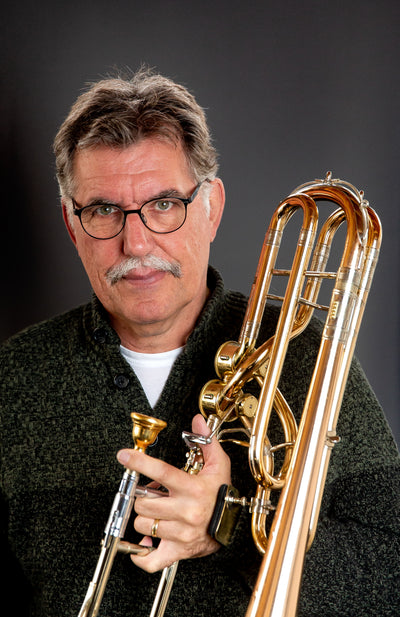
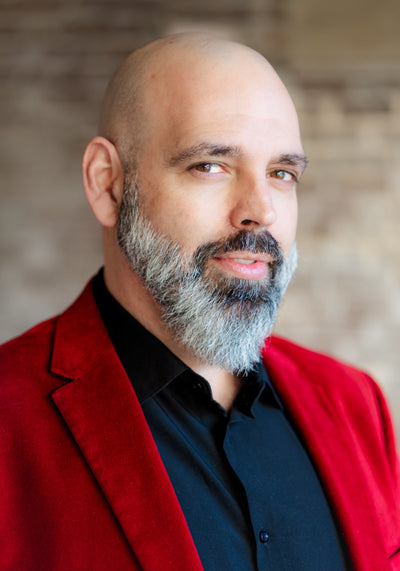
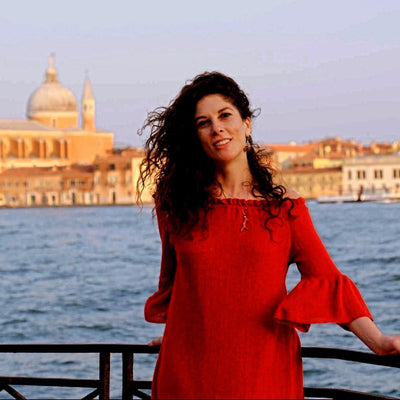
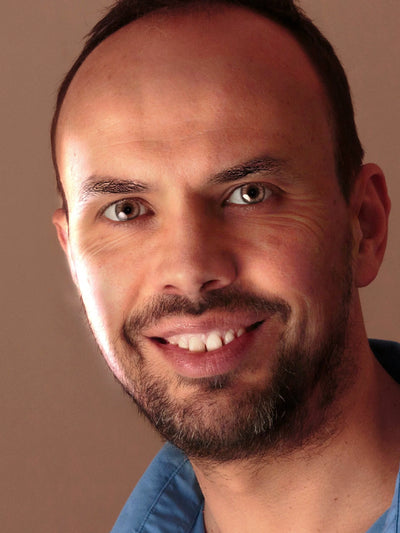
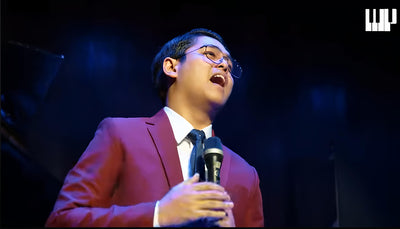
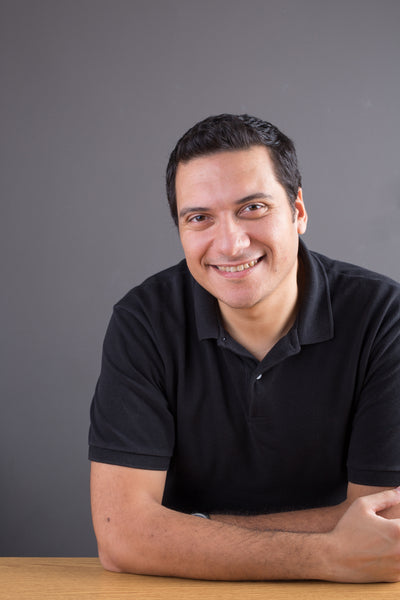
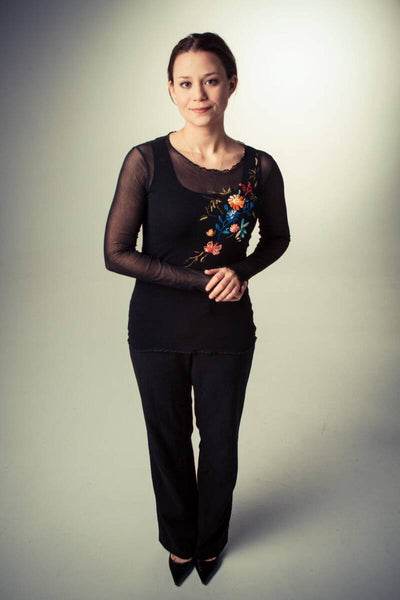
Meet Your Teachers
Language & Diction Faculty
Expert linguists and vocal coaches specializing in the lyric diction of Italian, French, German, and beyond.



Sing the Text
True operatic artistry begins with true linguistic understanding. Learn to inhabit the languages you sing.
Ready to Begin Your Journey?
Take the first step toward your performing arts education with The Global Conservatory.
For Institutions Bring TGC programs to your students — explore partnership tiers ›