
Opera & Vocal Artist Division
Character Embodiment& Dramaturgy
Singing is only half the role.
This program develops the complete operatic actor-building characters from libretto analysis through physical embodiment, integrating voice and body into unified dramatic expression. Because the audience doesn't just hear Tosca. They believe her.
Acting is not about being someone different. It's finding the similarity in what is apparently different, then finding myself in there.
The Truth
A beautiful voice is not enough. Audiences come to opera for the characters-their loves, their losses, their humanity. You must become the role.
The greatest opera singers are not just vocalists-they are complete dramatic artists who make you forget they're singing at all. This program develops that integration: voice serving character, body expressing emotion, and every choice grounded in genuine human truth.
By the Numbers
Character Work at a Glance
The Foundation
Three Pillars of Character Work
Complete operatic acting rests on three integrated skills-each essential, none sufficient alone.
Dramaturgical Analysis
Understanding the text, the subtext, the historical context, and the composer's dramatic intentions. Building character from the libretto up.
- Libretto analysis
- Historical context
- Character psychology
- Scene structure
- Relationship mapping
Physical Embodiment
Translating character understanding into physical reality-posture, gesture, movement, stillness. How does this character breathe? Walk? Express joy or grief?
- Gestural vocabulary
- Period movement
- Physical characterization
- Stage awareness
- Partnering
Vocal-Dramatic Integration
Unifying voice and body so that singing IS the acting. When technique serves character and character informs technique-that's when opera becomes transcendent.
- Text-music synthesis
- Emotional color
- Phrasing as acting
- Breath as character
- Presence integration
Acting Approaches
Methods We Draw From
We integrate techniques from multiple acting traditions-adapted for the unique demands of operatic performance.
Stanislavski System
The foundation of modern psychological realism. We adapt "given circumstances," "objectives," and "super-objectives" for the operatic context-where the music itself becomes a given circumstance.
Meisner Technique
Living truthfully under imaginary circumstances. Training moment-to-moment responsiveness and genuine listening-even when the score predetermines the timing.
Laban Movement Analysis
Understanding movement quality-weight, space, time, flow. How does a queen move differently than a servant? How does grief change the body?
Commedia dell'Arte
The roots of opera buffa. Physical comedy, stock characters, and mask work-techniques that inform buffo roles from Leporello to Falstaff.
The Curriculum
What You'll Learn
Comprehensive training in operatic acting-from text analysis through staged performance.
Libretto Analysis
- Reading a libretto as an actor-not just a singer
- Identifying objectives, obstacles, and tactics
- Understanding the composer's dramatic choices
- Building character biographies from textual evidence
- Mapping relationships and power dynamics
Physical Characterization
- Body awareness and neutral posture
- Creating physical signatures for characters
- Period-appropriate movement and gesture
- Managing costumes, props, and stage furniture
- Physical comedy and commedia techniques
Emotional Technique
- Accessing emotion reliably and safely
- Sustaining emotional states through long scenes
- The relationship between breath and emotion
- Crying, laughing, dying on stage
- Emotional reset between performances
Scene Work
- Duet and ensemble staging principles
- Listening and responding while singing
- Navigating directorial concepts
- Adapting to different production styles
- Building chemistry with scene partners
Vocal-Acting Integration
- Making technical singing look effortless
- Acting through coloratura, sustained notes, ensembles
- Finding character in vocal color and dynamics
- The acting of recitative vs. aria
- Maintaining character in technically demanding passages
Performance Practice
- Working with directors effectively
- Quick study and staging retention
- Cover protocol and last-minute replacement
- Adapting performances to different venues
- Building sustainable emotional processes
Is This For You?
This Program Is For
Singers who've been told they're vocally ready but need to develop as actors
Those preparing for YAPs or productions who want to arrive with polished dramatic skills
Performers who feel disconnected from their characters or trapped in habitual choices
Anyone who struggles to maintain character through technically demanding passages
Singers who want to understand directing styles and collaborate more effectively
Those who want a systematic approach to character creation they can use throughout their career
Continue Your Journey
Other Programs
Explore other offerings within the Opera & Vocal Artist Division.
Aria Architecture & Role Identity
Build your strategic audition package.
Audition Execution & Stage Presence
Master the 15 seconds that matter most.
Language, Diction & Recitative Studio
Real operatic singing demands real fluency.
Role Preparation & Dramaturgy
Full role preparation for festivals, YAPs, and debuts.
Vocal Longevity & Career Systems
The career skills no one else teaches.
Admissions Coaching
BM, MM, AD, DMA application guidance.
Questions
Frequently Asked Questions
Get Started
Request Information
Ready to develop as a complete operatic actor? Complete this form and we'll be in touch to discuss your goals.
Meet Your Teachers
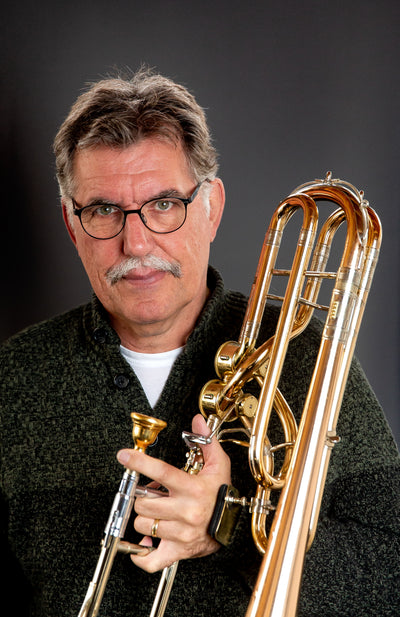
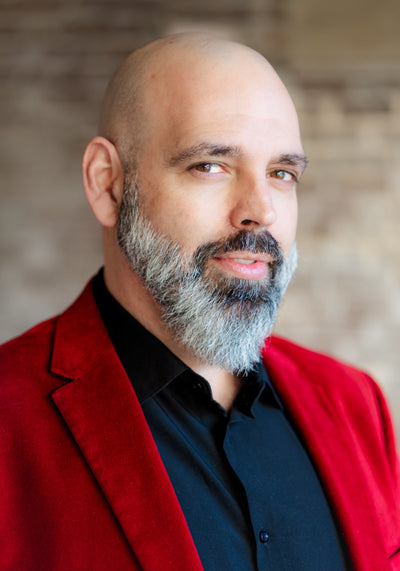
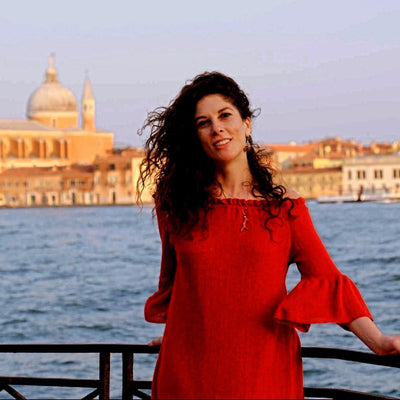
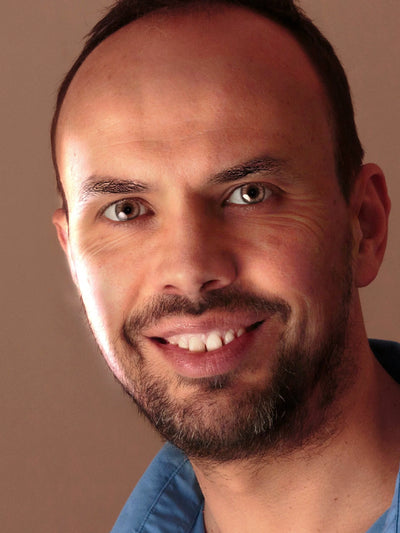
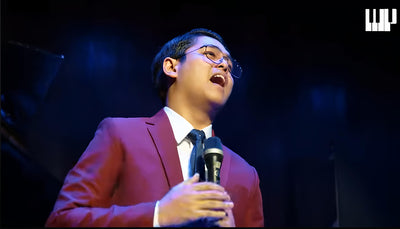
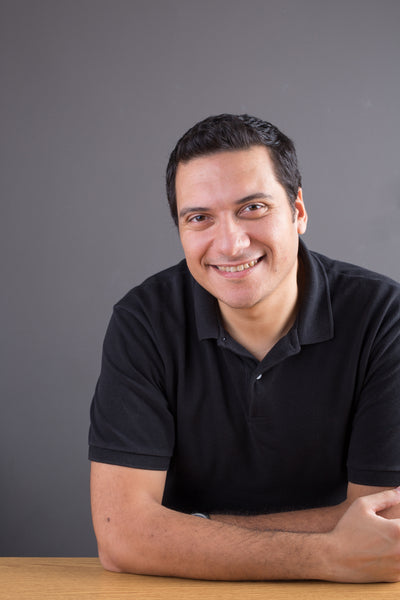
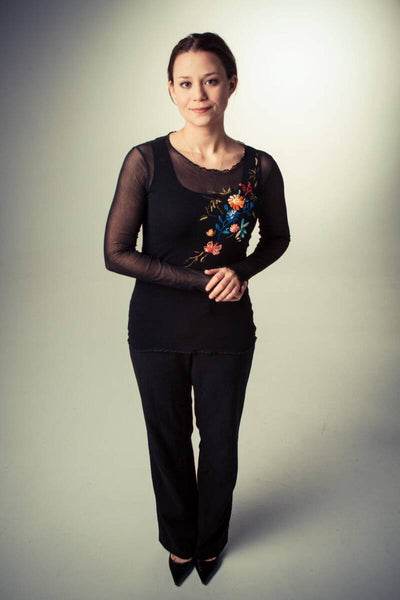
Character & Acting Faculty
Stage directors and acting coaches bringing dramatic truth to operatic performance.



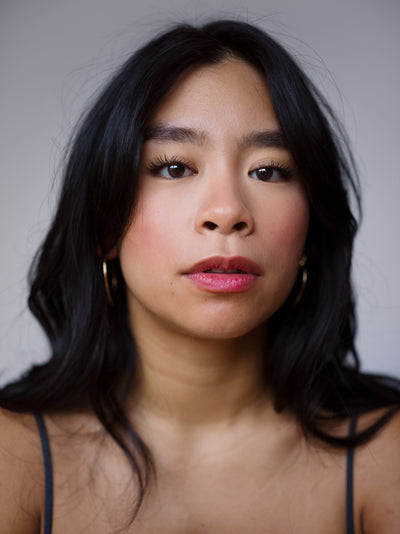
Become the Character
The audience doesn't want to hear about Violetta. They want to believe her, mourn her, love her. Learn to give them that.
Ready to Begin Your Journey?
Take the first step toward your performing arts education with The Global Conservatory.
For Institutions Bring TGC programs to your students — explore partnership tiers ›