
Opera & Vocal Artist Division
Vocal Longevity& Career Systems
The skills no one else teaches.
This program addresses the two areas conservatories systematically neglect: maintaining vocal health across a 40-year career, and building the business systems that turn talent into sustainable professional success.
The Truth
Most careers don't end because talent fades. They end because voices wear out or because talented singers never learned to run a business.
Conservatories train you to sing. They don't train you to protect your instrument across decades of performance, navigate the business of opera, manage your finances as a freelancer, or build the professional relationships that sustain careers. This program fills those gaps.
By the Numbers
Career Systems at a Glance
Two Tracks
Choose Your Focus
This program offers two complementary tracks—take one or both based on your needs.
Vocal Longevity
Protecting your instrument for decades
The voice is a physical instrument that ages, adapts, and responds to how it's used. Learn to maintain vocal health, recover from heavy repertoire, navigate vocal changes, and build sustainable technical practices.
- Vocal health maintenance and monitoring
- Recovery protocols and pacing
- Navigating vocal changes with age
- Repertoire selection for longevity
- Working with laryngologists and specialists
- Mental and physical wellness integration
Career Systems
Building a sustainable business
You're a freelance artist running a small business. Learn financial management, marketing, relationship building, contract negotiation, and the systems that turn sporadic gigs into sustainable careers.
- Financial management for freelancers
- Marketing and self-promotion
- Relationship and network building
- Contract review and negotiation
- Agent relationships and management
- Long-term career planning
Vocal Longevity
Protecting Your Instrument
The voice ages differently than other instruments—it requires specialized care and understanding.
Health Monitoring
Understanding your voice's baseline, recognizing warning signs, and building relationships with voice care professionals.
Recovery Protocols
Strategies for recovery after demanding performances, heavy rehearsal periods, and illness or strain.
Career Pacing
Learning to say no. Building schedules that sustain rather than deplete. Planning for the long term.
Vocal Aging
Understanding how voices change with age and adapting technique, repertoire, and expectations accordingly.
Repertoire Strategy
Choosing roles that build your instrument rather than wear it down. Knowing when you're ready for heavier repertoire.
Holistic Wellness
Sleep, nutrition, exercise, mental health—the whole-body systems that support vocal health.
The Curriculum
What You'll Learn
Comprehensive training in the skills that sustain careers—from vocal health to business systems.
Vocal Health Fundamentals
- Anatomy and physiology for singers
- Recognizing vocal fatigue vs. damage
- Building a voice care team
- Understanding scope and stroboscopy results
- When to rest vs. when to push through
Career Pacing & Planning
- Mapping a 40-year career arc
- Balancing opportunity with sustainability
- Strategic "no" decisions
- Planning for sabbaticals and recovery periods
- Transitioning between career phases
Business Fundamentals
- Setting up as a freelance business
- Tax strategies for performing artists
- Budgeting and financial planning
- Insurance and retirement planning
- Record keeping and organization
Marketing & Presence
- Building and maintaining a website
- Social media strategy for artists
- Press materials and bios
- Demo recordings and videos
- When and how to hire help
Professional Relationships
- Working with managers and agents
- Building relationships with companies
- Networking authentically
- Handling difficult professional situations
- Reputation management
Contract & Negotiation
- Understanding standard contracts
- What's negotiable and what's not
- Fee structures and expectations
- Cancellation policies and protections
- When to involve a lawyer
Business Skills
Running Your Career
The business skills that conservatories don't teach but careers absolutely require.
Finance
Budgeting, taxes, retirement planning, and irregular income management.
Marketing
Website, social media, press materials, and professional presence.
Relationships
Networking, agent work, company relationships, and reputation.
Contracts
Understanding terms, negotiation, and protecting your interests.
Planning
Long-term career strategy and phase transitions.
Balance
Work-life integration, boundaries, and sustainability.
Teaching
Building a teaching practice alongside performance.
Diversification
Multiple income streams and career flexibility.
Is This For You?
This Program Is For
Singers who want to protect their voices for decades of performance, not just years
Those who've realized their conservatory training didn't include business skills
Performers experiencing early signs of vocal fatigue or strain who want sustainable solutions
Anyone struggling with the financial realities of freelance performing
Singers who want to build systems rather than just chase opportunities
Those planning for the long term—understanding that a career is a marathon, not a sprint
Continue Your Journey
Other Programs
Explore other offerings within the Opera & Vocal Artist Division.
Aria Architecture & Role Identity
Build your strategic audition package.
Audition Execution & Stage Presence
Master the 15 seconds that matter most.
Language, Diction & Recitative Studio
Real operatic singing demands real fluency.
Character Embodiment & Dramaturgy
Become the role, not just sing it.
Role Preparation & Dramaturgy
Complete preparation for upcoming engagements.
Admissions Coaching
BM, MM, AD, DMA application guidance.
Questions
Frequently Asked Questions
Get Started
Request Information
Ready to build sustainable systems for your career? Tell us about your situation and goals.
Meet Your Teachers
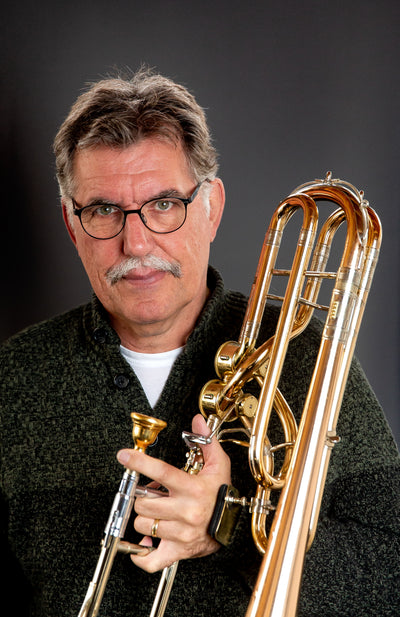
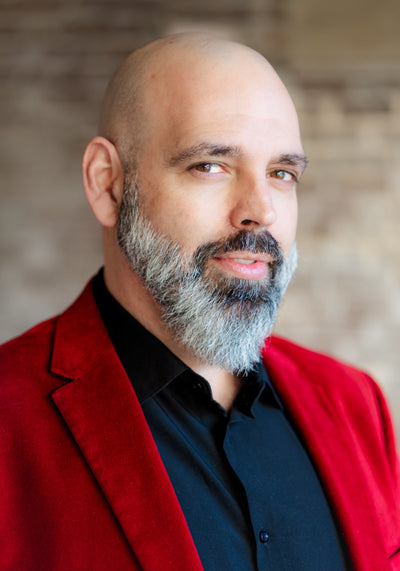
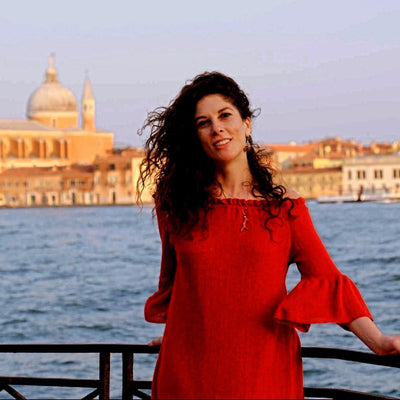
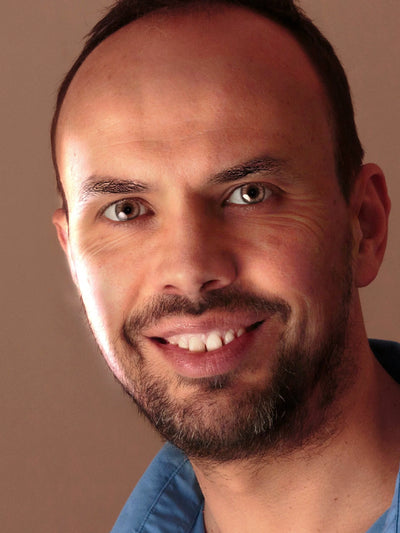
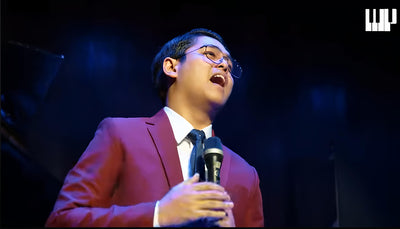
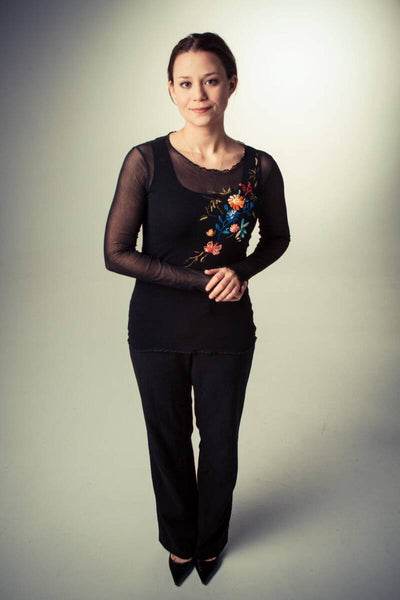
Opera Career Faculty
Artist managers, audition coaches, and career strategists navigating the operatic profession.





Build to Last
A career is 40 years. The systems you build now determine whether you'll still be singing—and thriving—at the end of them.
Ready to Begin Your Journey?
Take the first step toward your performing arts education with The Global Conservatory.
For Institutions Bring TGC programs to your students — explore partnership tiers ›