
Solfège & Aural Skills
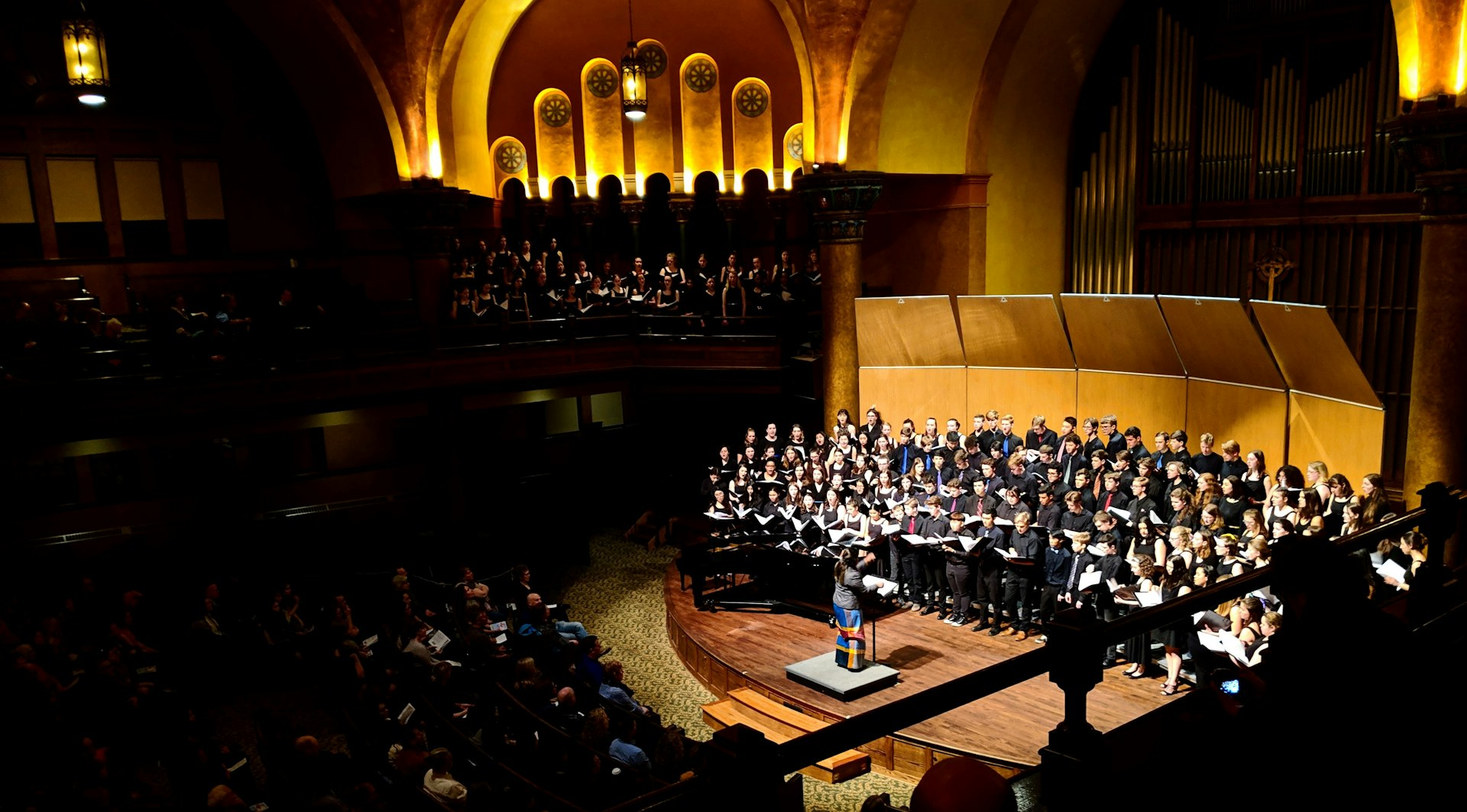
Hear it. Sing it. Know it. The ear is not passive — it is trained. Solfège is the discipline of making the invisible audible in the mind before it sounds in the room.
From a Benedictine monastery to every conservatory on earth
The story of solfège begins in the 11th century, in a Benedictine monastery in Arezzo, Italy, where a monk named Guido d’Arezzo (c. 991–1033) devised a system that would change music forever.
Guido observed that each line of the Latin hymn Ut queant laxis — a prayer to St. John the Baptist — began on a successively higher note. He named the six pitches of the hexachord after those opening syllables: Ut, Re, Mi, Fa, Sol, La. The symmetrical design, with a single semitone isolated at the center between Mi and Fa, made the semitone the defining feature of the entire system.
He also developed the Guidonian Hand — a mnemonic device that mapped pitches onto the joints and fingertips of the hand, allowing singers to visualize intervallic relationships in three-dimensional space. For centuries, this was how musicians learned to hear.
The evolution of the syllables
In the 17th century, Giovanni Battista Doni changed “Ut” to “Do” — reportedly drawn from the first syllable of his own surname, though the practical reason was that “Do” ends on an open vowel, making it far easier to sing. A seventh syllable, “Si” (from the initials of Sancte Iohannes), completed the diatonic scale. In 19th-century England, Sarah Glover changed “Si” to “Ti” so that every syllable began with a unique letter.
The system was complete: Do, Re, Mi, Fa, Sol, La, Ti — seven syllables that every musician on earth now recognizes.
The great divide: Fixed Do vs. Movable Do
But as music grew more complex, a fundamental question split the solfège world in two:
Fixed Do
In the fixed-do system, every syllable is permanently assigned to a specific pitch. C is always Do. D is always Re. No matter the key, the syllables never move. This system dominates in France, Italy, Spain, Portugal, Russia, Brazil, Turkey, Israel, and throughout Latin America. In Romance languages, the solfège syllables are the note names — there is no distinction between “Do” and “C.”
Fixed Do builds absolute pitch awareness and is the foundation of the Paris Conservatoire tradition, where no student could study an instrument without first passing a rigorous solfège examination.
Movable Do
In the movable-do system, syllables correspond to scale degrees, not fixed pitches. The tonic of any major scale is always Do. This system emphasizes tonal function and relative pitch — you learn to hear relationships, not absolute frequencies. It dominates in Germanic countries, the United Kingdom, and the United States.
Movable Do descends directly from Guido’s original conception, where the hexachord could be built on C, F, or G, and the semitone between Mi and Fa was always in the same structural position regardless of starting pitch.
Two systems. One goal: to make the invisible — pitch, interval, contour, tension — audible in the mind before it sounds in the room.
Four schools that shaped how the world learns to hear
Each pedagogy represents a different answer to the same question: How do you train a human being to hear music with precision, depth, and understanding?
How different countries train the ear
Solfège is universal, but its practice varies profoundly by culture. Each national tradition reflects a different philosophy of what “hearing music” truly means.
Three levels of aural mastery
Our solfège program draws from all four pedagogies and both systems. Students train in fixed and movable Do, Curwen hand signs, dictation, sight-singing, and harmonic listening — preparing them for any conservatory tradition in the world.
Six courses from first notes to full orchestral scores
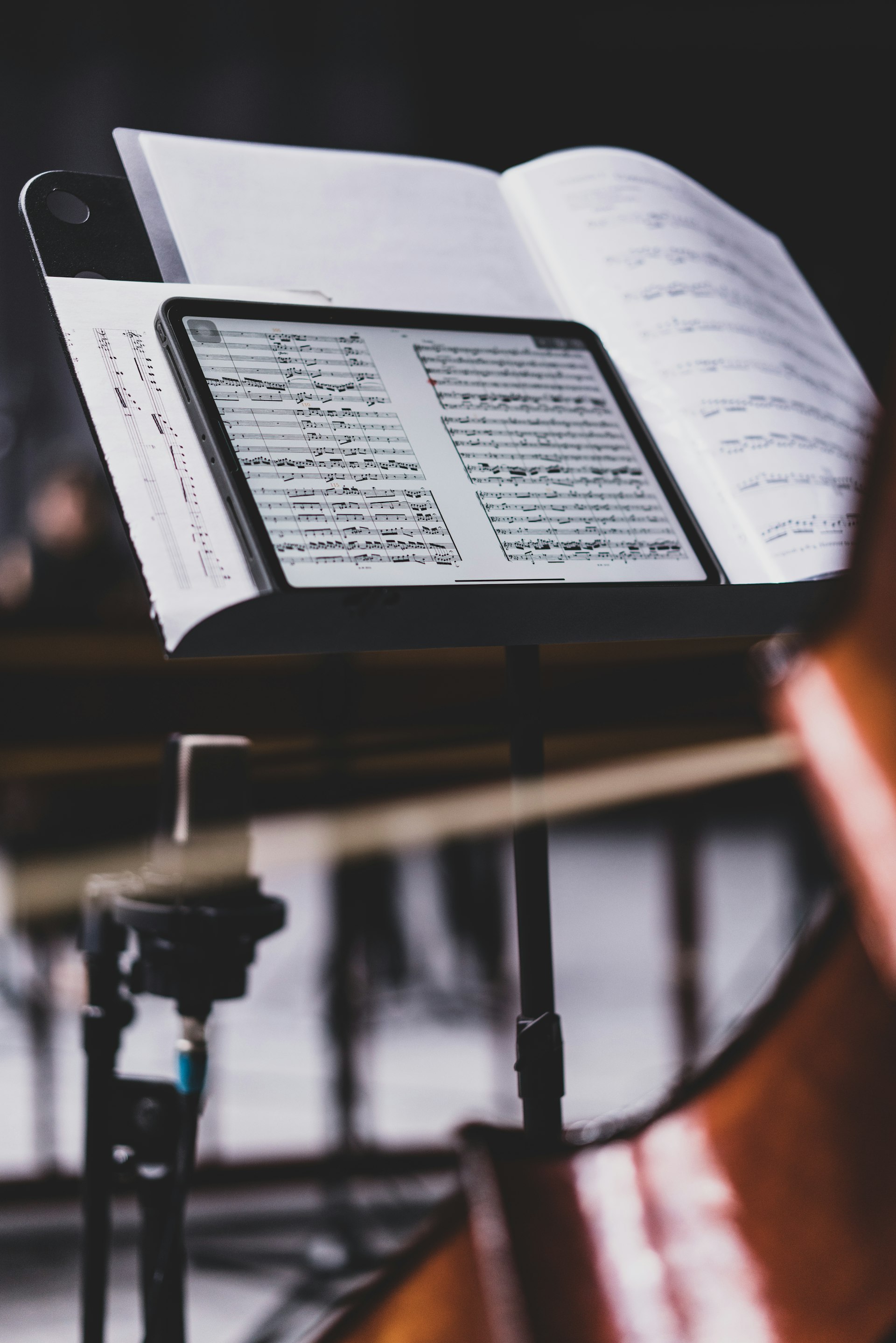
Sight-reading is the ultimate test of musical literacy — the ability to hear what you see and see what you hear, in real time.
Every musician who wants to hear more deeply
- Pre-college students preparing for conservatory entrance exams in solfège, ear training, and aural skills
- Singers who need precision in sight-singing, intonation, and vocal pitch control
- Instrumentalists who want to hear harmony, phrase structure, and form — not just play the notes
- Conductors developing their score-reading and inner hearing to lead without a keyboard
- Composers training the ear to hear what they write before a single note is played
- Adult learners who believe it’s never too late to train the ear with real discipline
Start Hearing Differently
From Guido's hexachord to the aural demands of a 21st-century conservatory — begin your training in the art of musical hearing.