Junior Division
For exceptional young soloists demonstrating extraordinary talent and readiness for concerto-level performance. Age as of preliminary round deadline. Parents or guardians must consent to participation.

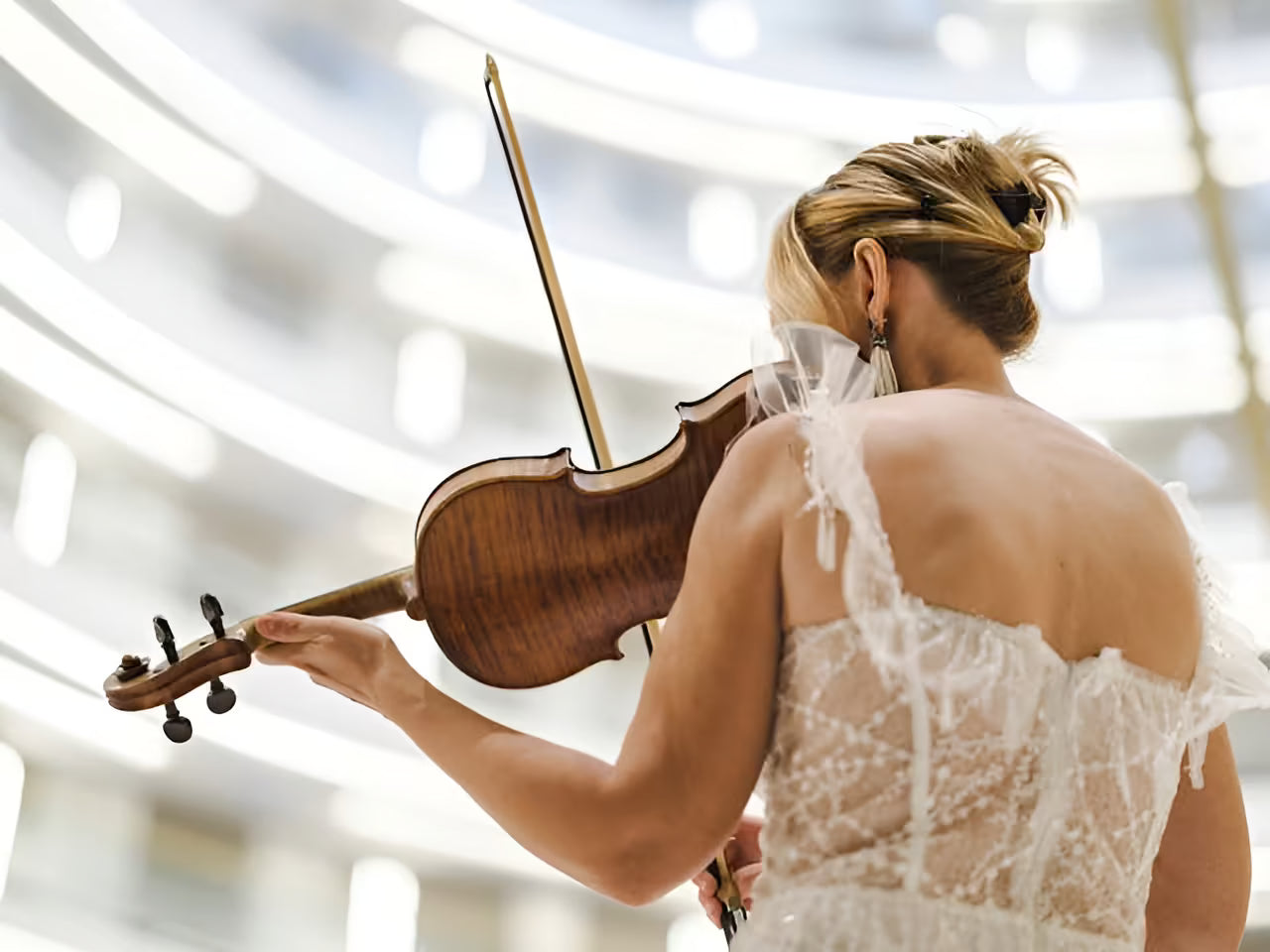
Compete. Win. Perform. Annual competition for soloists with career-launching prizes.
Most competitions offer prizes and applause. We offer careers. Winners of the Concerto Competition perform with partner orchestras in real subscription concerts—not special "competition winner" events, but regular season performances where you're treated as a professional soloist. You receive professional recording sessions with distribution support. You gain introductions to artist management and presenting organizations.
We welcome soloists of all instruments at the concerto level. The competition is demanding, the jury is distinguished, and the standards are uncompromising. If you're ready to compete at the highest level, this is your platform.
We believe competitions should change careers, not just distribute plaques. Every element of this competition—from the repertoire requirements to the prize structure to the post-competition support—is designed to launch winners into professional solo careers.
For exceptional young soloists demonstrating extraordinary talent and readiness for concerto-level performance. Age as of preliminary round deadline. Parents or guardians must consent to participation.
For emerging soloists at the threshold of professional careers—conservatory students and recent graduates ready to compete at the highest level. Age as of preliminary round deadline.
For professional and emerging professional soloists. No upper age limit. Age as of preliminary round deadline. The most competitive division with the largest prizes.
Instruments: All standard orchestral instruments, piano, classical guitar, and harp. We do not currently include voice (see other programs for singers).
Prize benefits — including orchestra performances, recording sessions, and management introductions — are indicative of the planned prize structure. Specific details, partner names, and prize values will be confirmed with each annual competition announcement. This competition launches in 2030.
Specific repertoire lists are published annually. The following guidelines apply across divisions.
20-30 minutes demonstrating range. At least two contrasting works or movements. Concerto repertoire required (not solo recital works). Choice of standard concerto repertoire appropriate to division and instrument. Must include at least one work from the standard canon and may include one contemporary or less-standard work.
Complete first movement (or significant portion) of a major concerto from the approved list. Must be different from preliminary repertoire if possible. The jury evaluates sustained artistic vision, not just technical excerpts. Duration typically 15-25 minutes depending on work.
Complete concerto performed with orchestra. Finalists typically perform the same work as their semifinal selection, now with full orchestral accompaniment. This is a professional concert experience—the jury evaluates not just playing quality but soloist-orchestra partnership, stage presence, and concert readiness.
Completed application form with biographical information.
20-30 minutes of concerto repertoire, unedited, single continuous take per work.
Current CV including training, performances, and repertoire history.
250-500 words on your artistic approach and performance goals.
MP4 or MOV format, minimum 720p resolution, clear audio (external mic recommended).
Face and hands visible throughout; performance attire recommended; piano accompaniment where applicable.
Application deadlines and repertoire lists are published annually. Subscribe for current dates and updates.
Winning is the beginning, not the end. Here's what happens next.
Winners perform with partner orchestras in their regular subscription season. Not a "winner's concert" afterthought—a professional engagement where you're treated as you should be: a professional soloist.
Studio recording sessions with professional engineering and production. These become portfolio pieces for future competition applications, management submissions, and career promotion.
Personal introductions to artist management companies and presenting organizations. We don't guarantee representation, but we create the conversations that lead to it.
Conservatory media coverage, social media promotion, and professional biography development. Building your public profile is part of winning.
One-on-one career consultation covering competition strategy, repertoire development, materials preparation, and career planning. Winning this competition should open doors to more.
Connection to our network of performers, conductors, and presenters. Winners become part of an alumni community that supports each other's careers long after the competition.
Our jury evaluates much more than technical proficiency. Here's what they're looking for at each round.
Intonation, rhythm, tone quality, and technical facility. These are baseline requirements—every competitor at the semifinal level plays well. Technical command is necessary but not sufficient. The jury listens for security under pressure, consistency across the performance, and the kind of technical mastery that serves musical expression rather than displaying itself.
Interpretive depth, stylistic understanding, phrasing, and artistic personality. Can you make this music your own while respecting its traditions? Do you have something to say, or are you just playing the notes correctly? The jury distinguishes between talented execution and genuine artistic vision.
Communication with audience, physical engagement, and professional demeanor. Soloists must command attention and communicate through their instrument. The jury evaluates whether you can hold a hall—whether your performance reaches the back row and makes people lean forward.
Appropriate difficulty level, good fit with your instrument and personality, and demonstrating range across rounds. Strategic repertoire selection matters—choose works that showcase your strengths while challenging your development. Playing music that fits you is more impressive than playing music that's merely difficult.
In final rounds with orchestra: listening, flexibility, balance, and collaboration with conductor and ensemble. A concerto is a dialogue, not a monologue. The jury watches how you interact with the orchestra—do you listen, do you respond, do you lead when appropriate?
The overall assessment: is this performer ready for professional solo engagements? Can we confidently present this artist to our partner orchestras and audience? Winners must be ready to represent themselves and us at a professional level immediately.
All standard orchestral instruments (strings, winds, brass, percussion), piano, classical guitar, and harp. We do not currently include voice. Instrument-specific repertoire lists are published annually with application materials.
No. You compete in one division based on your age at the time of the preliminary deadline. If you're on the boundary, choose the division that best represents your competitive level. You cannot enter the same division more than once as a previous first-prize winner.
No. The competition is open to soloists worldwide regardless of nationality, citizenship, or current residence. We welcome international competitors and accommodate scheduling when possible for travel considerations.
Prior competition wins do not disqualify you. Many successful competitors have won elsewhere. We evaluate each performance on its merits. Winners of our first prize or better in a given division may not re-enter that same division.
Yes, until you win first prize or better in your division. Winners may not re-enter the same division but may enter a different division if age-eligible (e.g., Young Artist division winner who ages into Open division).
In case of a tie, the jury deliberates to determine a single winner. If no resolution is possible, co-winners may be named with prizes split or duplicated at the jury's discretion.
MP4 or MOV format, minimum 720p resolution. Single continuous take, no edits. Clear audio (external microphone recommended). Face and hands visible throughout. Detailed specifications provided in application materials.
Memory is not required but is expected for piano, strings, and voice-equivalent (if added). Wind and brass players may use music. The jury evaluates performance quality, not memorization.
Jury composition varies annually. Panels include distinguished performers, conductors, and presenting organization representatives. Jury members recuse themselves from evaluating current students or students they've taught within the past two years.
All competitors receive the experience of performing under competitive conditions. Semifinalists and finalists gain significant exposure to the jury and audience. We encourage unsuccessful competitors to reapply—many winners competed more than once before winning. The preparation and performance experience has value regardless of outcome.
Questions about the competition? Ready to apply? We'll respond within 48 hours.
Performances, recordings, and management introductions. The Concerto Competition launches careers, not just winners.
Take the first step toward your performing arts education with The Global Conservatory.
For Institutions Bring TGC programs to your students — explore partnership tiers ›