
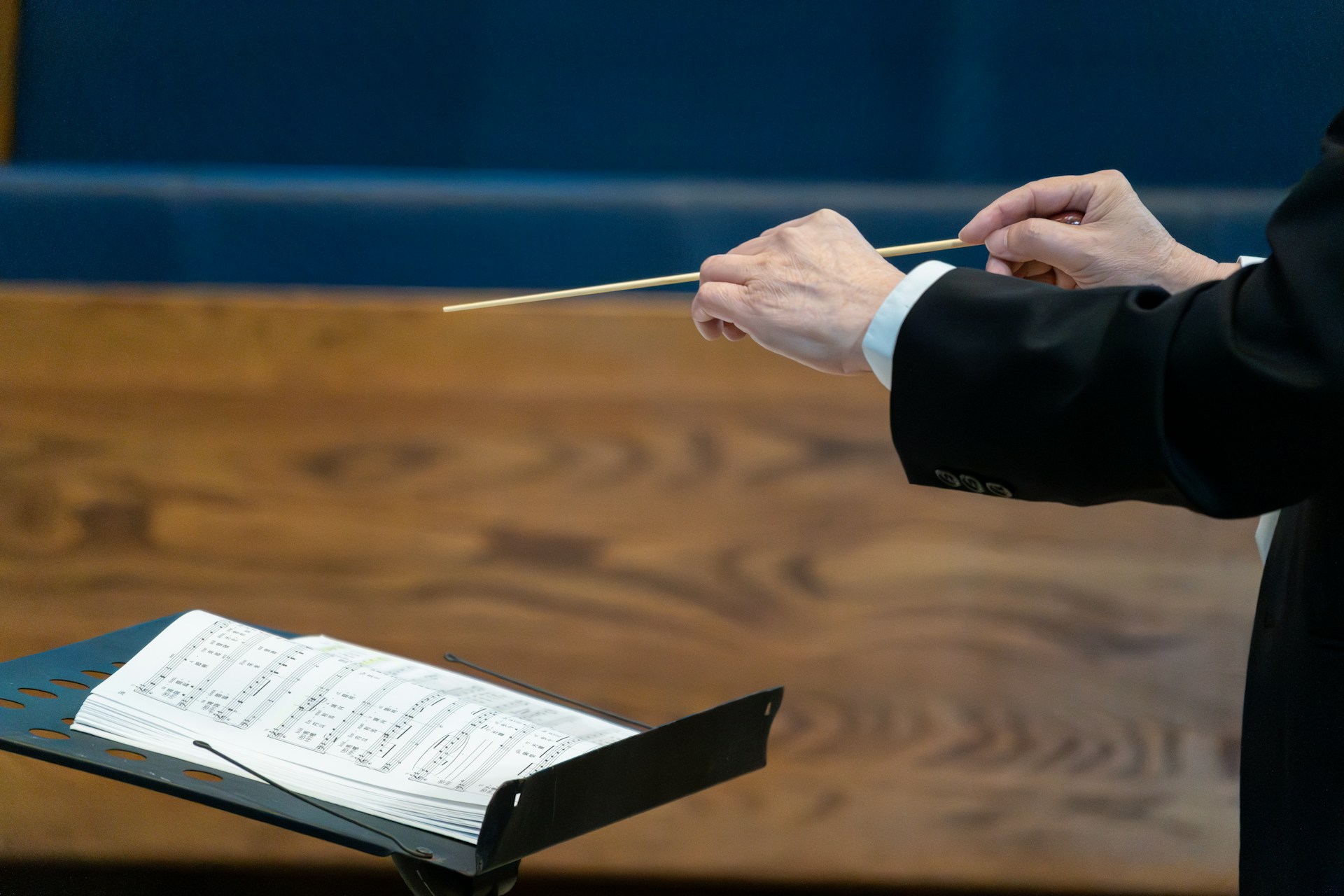
ConductingFellowship
Conducting Track · Ages 21–35
An intensive three-week fellowship for aspiring conductors offering podium time with a professional orchestra, score study masterclasses, baton technique coaching, and career guidance for assistant conducting positions.
The Conducting Fellowship at The Global Conservatory is a rigorous three-week intensive for aspiring conductors ages 21–35. Fellows receive extensive podium time with the resident professional orchestra, participate in daily score study sessions, refine baton technique under master conductors, and develop the rehearsal methodology that separates effective conductors from mere time-beaters.
Public performances cap each week, providing fellows with real-world conducting experience before live audiences. Video analysis sessions allow fellows to study their own gesture, posture, and communication in detail. Career guidance sessions address the pathway from fellowship to assistant conductor positions with professional orchestras worldwide.
Our Approach
Conducting cannot be learned from books or by watching videos. It is learned on the podium, in front of real musicians, making real decisions in real time. This fellowship provides the one thing aspiring conductors need most: time in front of an orchestra.
The great conductors — Bernstein, Karajan, Abbado — were not merely skilled technicians. They were leaders, scholars, and communicators who could inspire an orchestra to play beyond its perceived limits. Our fellowship develops all three dimensions: the technical, the intellectual, and the inspirational.
Fellowship Components
Three Pillars of Conducting
The fellowship integrates podium time, score study, and professional development into a comprehensive conducting education.
Podium Time
Daily conducting sessions with the professional orchestra. Each fellow conducts repertoire ranging from Classical symphonies to contemporary works, with immediate feedback from master conductors.
Score Study & Analysis
Intensive score study sessions covering harmonic analysis, orchestration, form, and the relationship between analysis and interpretive decision-making. How to hear a score before the first downbeat.
Public Performance
Three public concerts during the fellowship, giving fellows the experience of conducting before a live audience and managing the unique pressures of performance.
 Gesture - Conducting Fellowship" loading="lazy">
Podium Technique
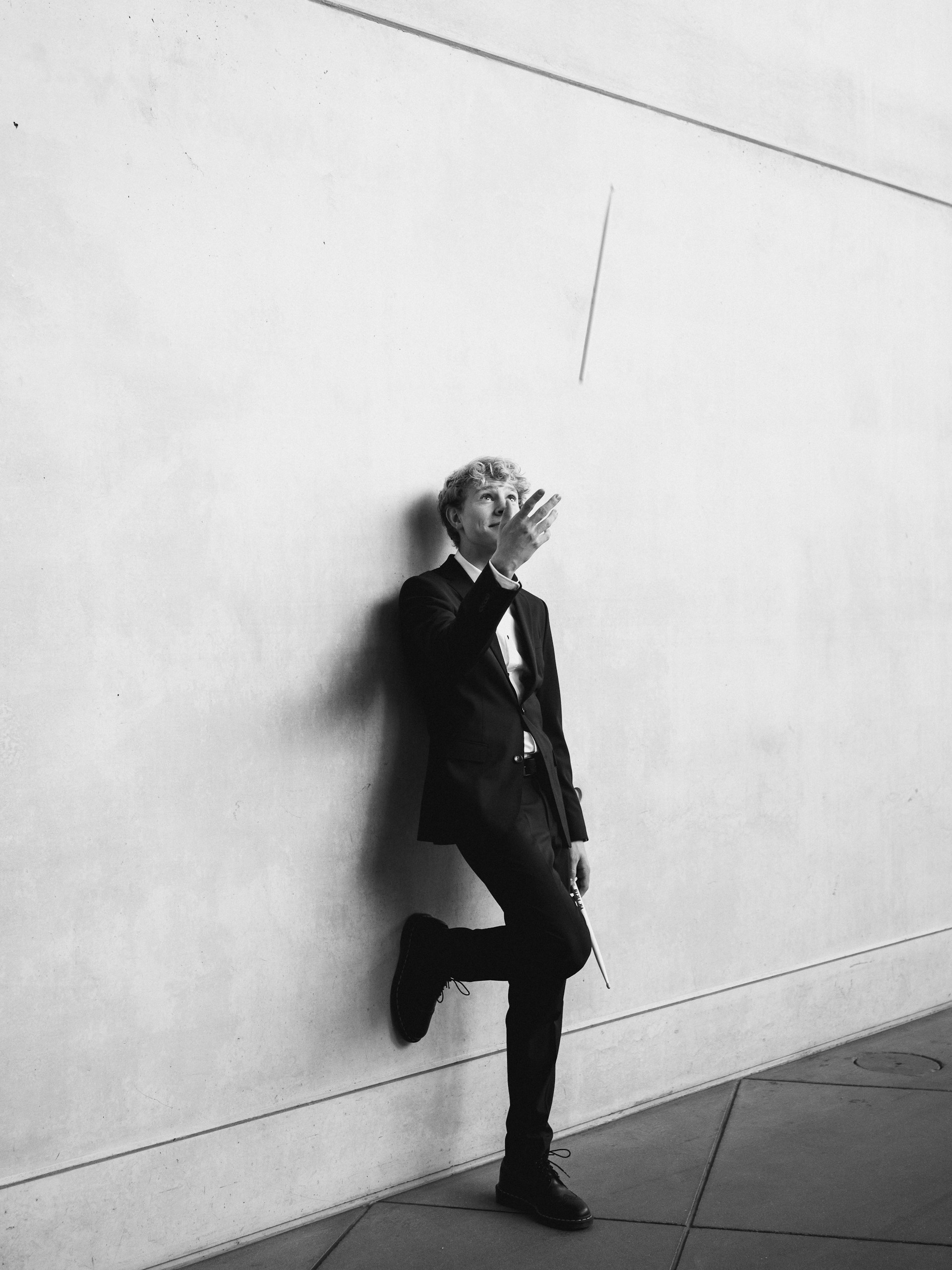
Baton Technique & Gesture
Clear, expressive baton technique is the conductor’s primary communication tool. Daily technique sessions address beat patterns, preparatory gestures, cutoffs, dynamics, articulation, tempo transitions, and the relationship between gesture and sound. Video analysis allows fellows to see what the orchestra sees.
Beyond basic patterns, the fellowship develops the conductor’s ability to shape phrases with the left hand, communicate character through posture and facial expression, and maintain ensemble clarity while allowing musical freedom. The goal is technique that serves the music, not technique for its own sake.
- Beat patterns: 2, 3, 4, 5, 6, 7, and asymmetric meters
- Preparatory gestures, cutoffs, and dynamic shaping
- Left-hand independence and phrasing
- Video analysis of conducting gesture
Rehearsal Craft
Rehearsal Methodology
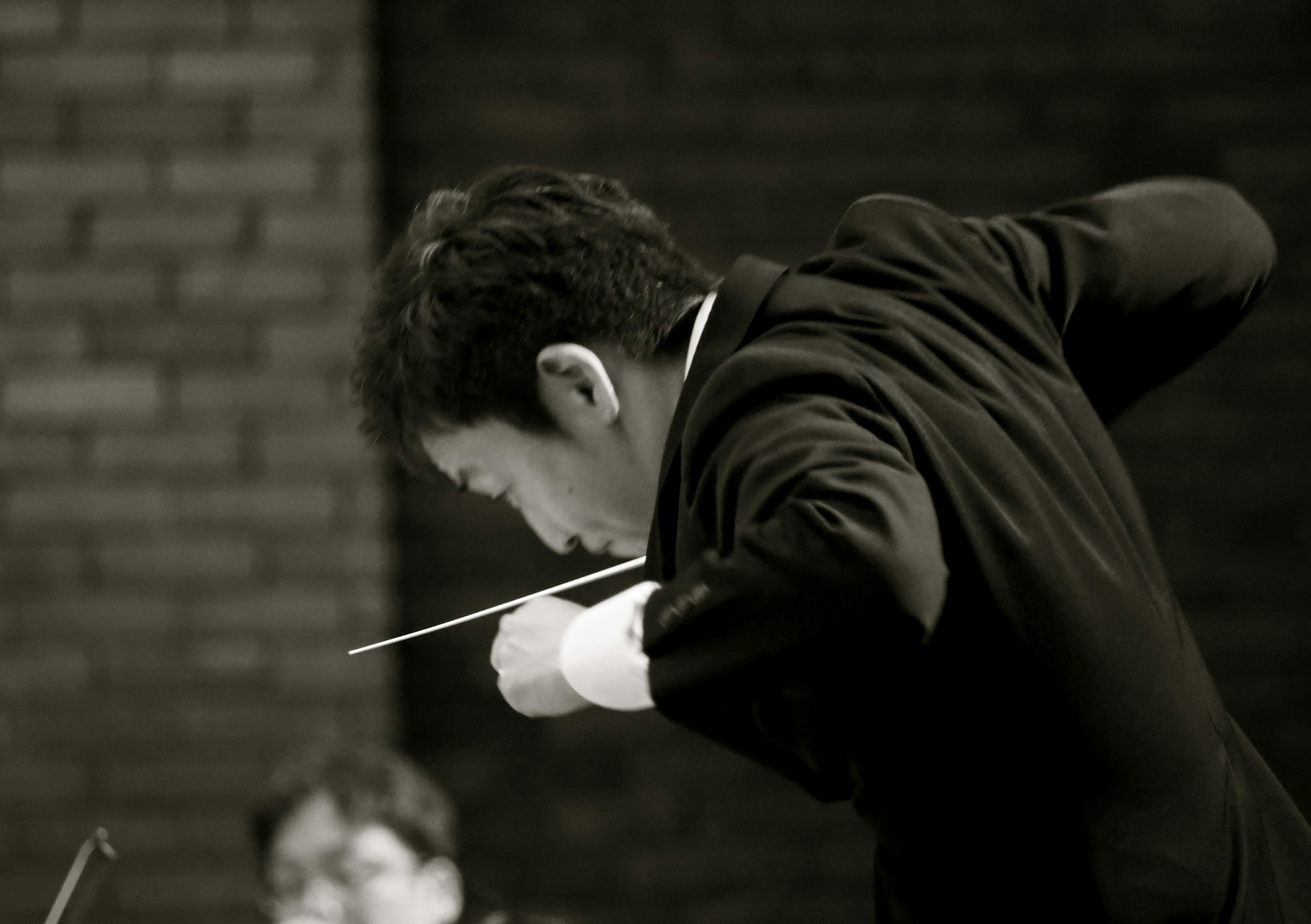
Great conducting happens in rehearsal, not in performance. The fellowship dedicates significant time to rehearsal methodology: how to diagnose ensemble problems, communicate corrections efficiently, pace a rehearsal for maximum productivity, and build the trust that allows musicians to follow your interpretation.
Fellows learn to plan rehearsals strategically, balancing technical work with interpretive exploration. They practice giving clear, concise verbal instructions and learn when to talk, when to sing, and when to simply conduct again. Efficiency in rehearsal is the mark of a professional conductor.
- Rehearsal planning and pacing strategies
- Diagnostic listening and problem identification
- Efficient verbal communication with musicians
- Building trust and musical authority on the podium
 Methodology - Conducting Fellowship" loading="lazy">
Inspired By Masters
Conductors Who Defined the Art
These legendary conductors shaped orchestral culture and set the standard for podium excellence that our fellowship upholds.
"Music can name the unnameable and communicate the unknowable."— Leonard Bernstein
Leonard Bernstein
Orchestral / American
Visionary conductor, composer, educator, global icon
Herbert von Karajan
Orchestral / Austrian
Berlin Philharmonic legend, recording pioneer
Marin Alsop
Orchestral / American
First woman to lead a major American orchestra
Gustavo Dudamel
Orchestral / Venezuelan
El Sistema graduate, LA Phil music director
Nadia Boulanger
Pedagogy / French
Greatest composition teacher, pioneering conductor
Carlos Kleiber
Orchestral / Austrian
Perfectionist conductor of legendary recordings
Sir Simon Rattle
Orchestral / British
Berlin Phil and LSO music director, new music champion
Mirga Gražinytė-Tyla
Orchestral / Lithuanian
CBSO music director, rising global star
 Score Analysis - Conducting Fellowship" loading="lazy">
Score Study
Deep Score Analysis
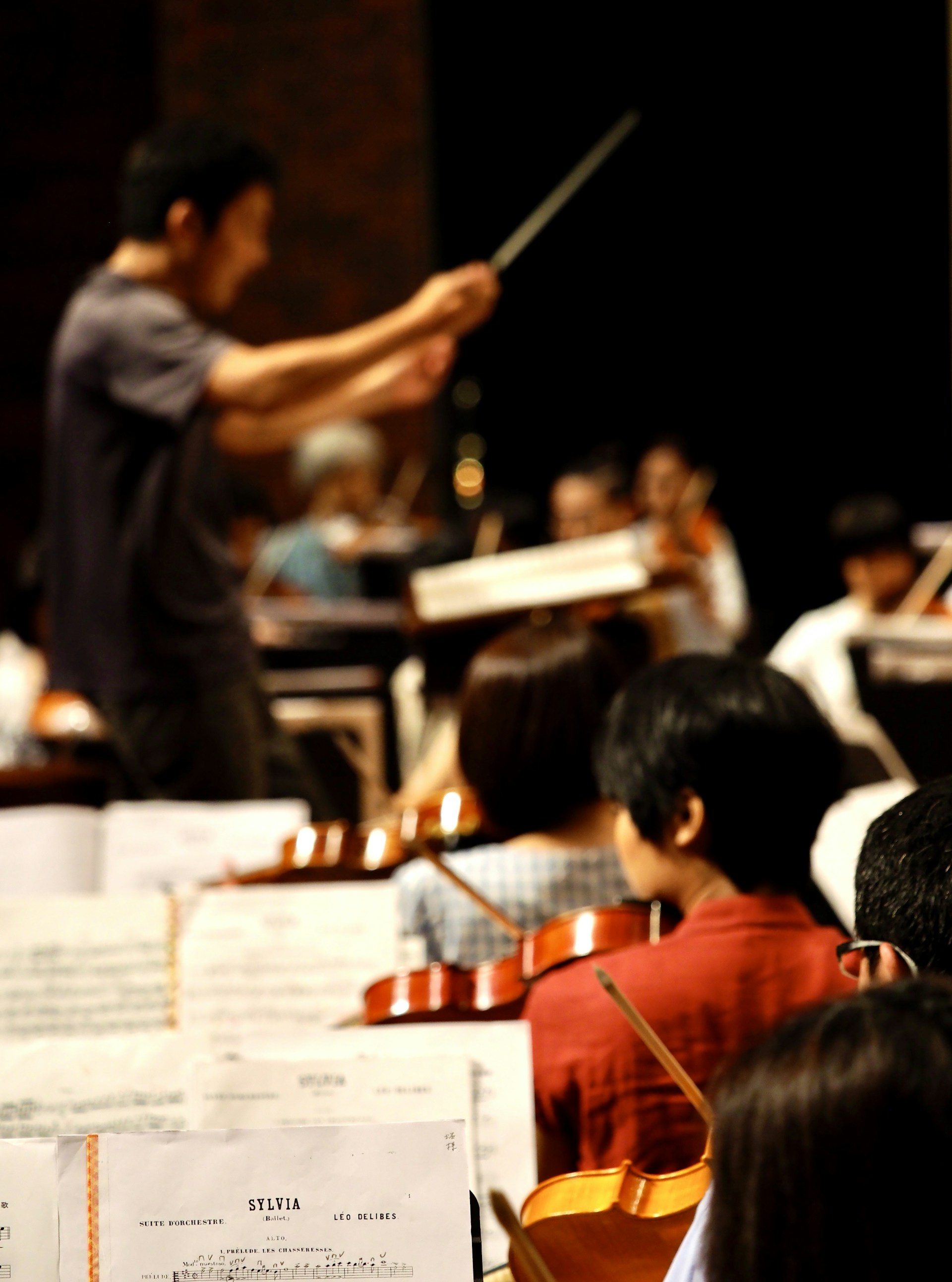
Score study is the foundation of conducting. Daily sessions cover harmonic analysis, formal structure, orchestration, and the relationship between analytical understanding and interpretive decision-making. Fellows learn to hear a score internally before the first rehearsal — the essential skill that separates conductors from time-beaters.
Sessions address repertoire spanning Haydn through living composers, with particular attention to the orchestral canon that conductors must master: Beethoven symphonies, Brahms, Tchaikovsky, Mahler, Stravinsky, and Bartok. Contemporary scores and their unique notational challenges are also covered.
- Harmonic analysis and formal structure
- Orchestration study and timbral awareness
- Internal hearing and score memorization techniques
- Repertoire from Classical through contemporary
Career Development
Path to Assistant Conductor
The fellowship includes dedicated career guidance sessions addressing the pathway from student to assistant conductor with a professional orchestra. Topics include audition preparation, building a conducting resume, video portfolio creation, and navigating the international conducting competition circuit.
Guest speakers from orchestra management provide insight into what orchestras look for in assistant conductor candidates. Fellows receive personalized career advice and introductions to the TGC network of orchestral contacts, competition organizers, and festival directors.
- Assistant conductor audition preparation
- Conducting resume and video portfolio creation
- International competition strategy and navigation
- Network introductions to orchestras and festivals
 Assistant Conductor - Conducting Fellowship" loading="lazy">
Fellowship Curriculum
What You'll Learn
Six intensive modules covering every dimension of the conducting fellowship.
Baton Technique
- Beat patterns and preparatory gestures
- Dynamic shaping and articulation
- Left-hand independence and phrasing
- Video analysis and self-assessment
Score Study
- Harmonic analysis and formal structure
- Orchestration and timbral awareness
- Internal hearing and memorization
- Interpretive decision-making from analysis
Rehearsal Craft
- Rehearsal planning and pacing
- Diagnostic listening skills
- Efficient verbal communication
- Building musical authority
Repertoire Survey
- Classical: Haydn, Mozart, Beethoven
- Romantic: Brahms, Tchaikovsky, Mahler
- 20th Century: Stravinsky, Bartok, Shostakovich
- Contemporary and new music
Public Performance
- Pre-concert preparation routines
- Managing performance pressure
- Audience engagement and communication
- Post-concert reflection and growth
Career Launch
- Assistant conductor pathways
- Competition preparation
- Video portfolio creation
- Network building and professional relationships
"The conductor’s art is the art of making other people play."
— TGC FacultyYour Final Deliverable
Capstone Public Concert
Your fellowship culminates in conducting a public concert with the professional orchestra, video recorded and evaluated by master conductors.
- Public concert conducting performance (video recorded)
- Complete score analysis portfolio for conducted repertoire
- Rehearsal methodology documentation
- Video portfolio of conducting excerpts
- Career action plan with mentor feedback
Fellowship Recognition
Conducting Fellow
Conducting Fellowship — The Global Conservatory
Digital badges in:
Your Three Weeks
The Fellowship Timeline
A structured three-week journey from orientation to public concert performance.
Technique & Foundations
Baton technique, score study fundamentals, first orchestral sessions. Video analysis begins. Concert 1 preparation.
Rehearsal & Repertoire
Intensive rehearsal methodology, expanded repertoire, peer observation. Concert 2 preparation and performance.
Performance & Career
Final concert preparation, career guidance sessions, video portfolio creation. Public Concert 3 and closing ceremony.
Portfolio & Network
Video recordings delivered. Career action plan finalized. Network introductions to orchestras and competitions.
Fellow Voices — Coming After Inaugural Cohort
The TGC Chamber Music Fellowship launches in 2026. Testimonials from fellows will be published after our inaugural cohort. We look forward to sharing their stories.
Questions
Frequently Asked Questions
Apply Now
Request Information
Ready to begin? Complete this form and our admissions team will connect with you to discuss the program, assess fit, and answer your questions.
Step onto the Podium. Lead the Orchestra.
The Conducting Fellowship provides the podium time and mentorship that launching a conducting career demands. Apply now.
Ready to Begin Your Journey?
Take the first step toward your performing arts education with The Global Conservatory.
For Institutions Bring TGC programs to your students — explore partnership tiers ›