
Sound Designfor Games
Game Audio Track · Intermediate Program
Master interactive audio systems, spatial sound, and adaptive music for the world's fastest-growing entertainment medium.
The Certificate in Sound Design for Games at The Global Conservatory prepares you for the cutting edge of audio creation. Game audio is fundamentally different from linear media — every sound must respond to player behavior, adapt to changing environments, and maintain emotional impact across hundreds of hours of non-linear gameplay. This program teaches you to think in systems rather than timelines, building interactive soundscapes using industry-standard middleware like Wwise and FMOD.
Our faculty includes active game audio professionals who have shipped titles across AAA studios, indie darlings, and VR experiences. You will work with game engines like Unity and Unreal, build procedural audio systems, design spatial audio for immersive environments, and develop the technical and creative skills that studios demand.
Our Approach
Game audio is not film audio on a loop. It is a living system that breathes with the player. Every footstep, every ambient wind, every musical phrase must be designed to respond dynamically to an infinite range of player actions and environmental states.
We teach sound design as systems architecture. You will not just create individual sounds — you will build interconnected audio ecosystems that adapt, layer, and evolve in real time. This is the discipline that separates a game audio professional from a sound effects editor.
Focus Areas
Three Core Disciplines
Every module builds competency across three interconnected domains of professional game audio.
Interactive Audio Systems
Master middleware platforms like Wwise and FMOD to build dynamic audio systems that respond to gameplay states, player actions, and environmental variables in real time.
Sound Design & Synthesis
Create original game audio assets through recording, synthesis, processing, and layering. Build sound design palettes for characters, environments, weapons, UI, and cinematics.
Spatial & Immersive Audio
Design three-dimensional soundscapes using Ambisonics, binaural rendering, HRTF modeling, and spatial audio plugins for VR, AR, and traditional gaming environments.
Core Skill
Middleware & Interactive Audio
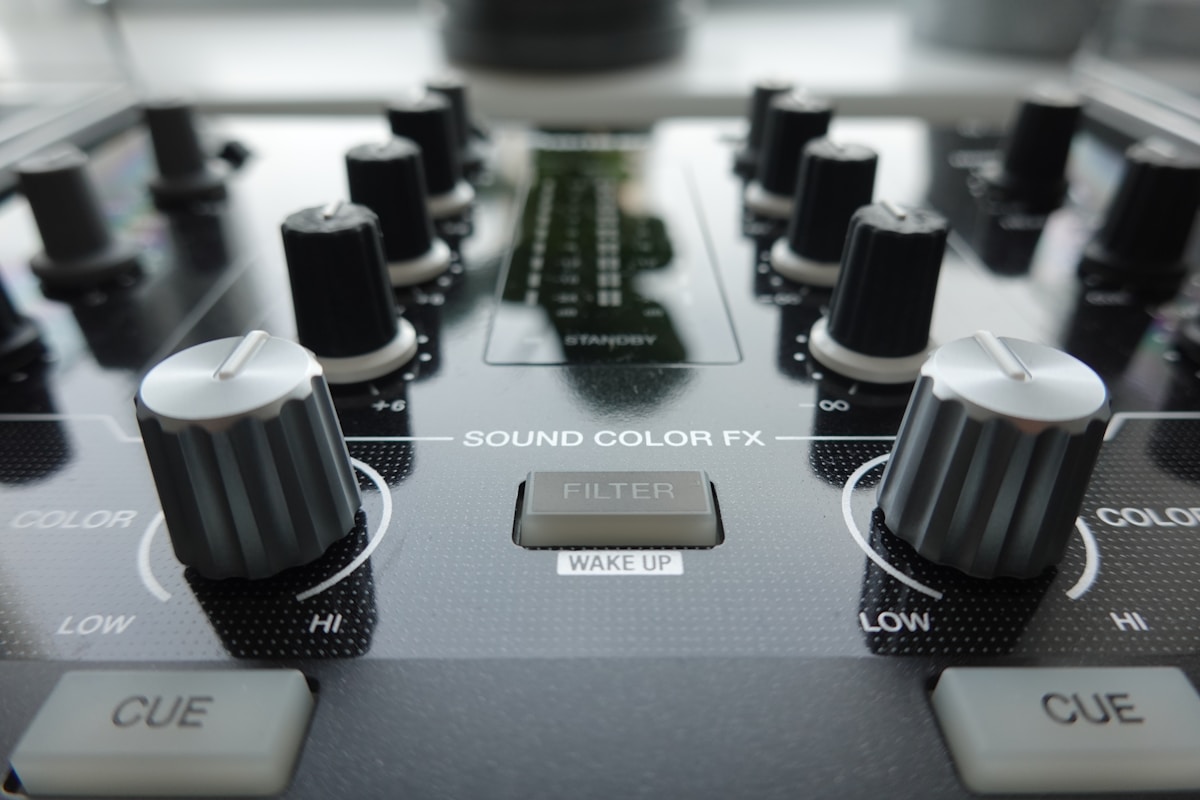
The middleware layer is where game audio comes alive. Unlike a DAW timeline where sounds play in fixed sequence, middleware platforms like Audiokinetic Wwise and Firelight FMOD allow you to build audio behaviors that respond to game parameters in real time. A footstep sound is not one sample — it is a system of surface types, velocity layers, randomization pools, and occlusion filters that together create the illusion of a living character moving through a believable space.
You will build complete Wwise and FMOD projects from scratch, learning event-driven architecture, real-time parameter controls (RTPCs), switch groups, blend containers, and state machines. You will integrate your middleware projects into Unity and Unreal Engine, understanding the handshake between audio middleware and game engine at a professional level.
- Wwise project architecture: events, buses, actor-mixers, and soundbanks
- FMOD Studio: timeline events, parameter automation, and snapshot systems
- Real-time parameter controls for distance attenuation, occlusion, and environment
- Integration workflows for Unity and Unreal Engine game projects
- Optimization strategies for memory, CPU, and streaming on target platforms
Middleware is the instrument of game audio. Mastery here is non-negotiable.
Advanced Systems
Procedural & Adaptive Music
In games, music cannot simply loop — it must adapt. Adaptive music systems respond to gameplay intensity, narrative state, player location, and combat status, transitioning seamlessly between musical layers without audible seams. The challenge is creating music that sounds composed and intentional while being assembled dynamically by the game engine in real time.
You will study the horizontal re-sequencing and vertical layering techniques that power the adaptive scores of major franchises. You will build adaptive music systems using both Wwise Interactive Music and FMOD, creating multi-layered compositions that shift in intensity, instrumentation, and harmonic content based on game state parameters.
- Horizontal re-sequencing: transitioning between musical segments based on game events
- Vertical layering: adding and removing instrumental stems based on intensity parameters
- Stinger systems for combat triggers, discovery moments, and narrative beats
- Generative and procedural music techniques using middleware and scripting
- Composing for interactivity: writing music that works in any playback order
The best game music sounds like it was composed for exactly this moment — even though that moment was never planned.
Inspired By Giants
The Composers Who Defined Game Audio
These pioneers established game audio as a legitimate art form, creating soundscapes and scores that defined generations of interactive entertainment.
"In games, the player is the conductor. Our job is to give them an orchestra that responds to every gesture."— Marty O'Donnell
Koji Kondo
Nintendo
Super Mario Bros., The Legend of Zelda. Created the most recognizable melodies in gaming history with hardware limitations that demanded creative genius.
Nobuo Uematsu
Square Enix / JRPG
Final Fantasy series. Elevated game music to orchestral art, proving that interactive media could achieve the emotional depth of film and opera.
Marty O'Donnell
Bungie / Halo
Halo franchise. Pioneered adaptive music systems that responded to combat intensity, defining the sound of first-person shooters.
Jessica Curry
Indie / The Chinese Room
Dear Esther, Everybody's Gone to the Rapture. Proved that game audio could be hauntingly beautiful and emotionally devastating.
Austin Wintory
Indie / Journey
Journey, The Banner Saga. First game score nominated for a Grammy. Pioneered dynamic scores responding to multiplayer interactions.
Mick Gordon
id Software / Doom
DOOM (2016), Wolfenstein. Redefined aggressive game audio with synthesis-driven scores that respond to combat intensity.
Gareth Coker
Moon Studios / Ori
Ori and the Blind Forest, Ori and the Will of the Wisps. Masterful adaptive orchestral scores that respond to platforming gameplay.
Winifred Phillips
AAA / Cross-Platform
Assassin's Creed, LittleBigPlanet, God of War. Author of A Composer's Guide to Game Music, a foundational text for the field.
Immersive Technology
Spatial Audio for VR & AR
Virtual and augmented reality demand a fundamentally different approach to sound design. In VR, the player exists inside the soundscape — sounds must be positioned in three-dimensional space with physical accuracy that the brain accepts as real. This requires mastery of Ambisonics encoding, Head-Related Transfer Functions (HRTFs), binaural rendering, and the psychoacoustic principles that govern spatial perception.
You will build spatial audio environments using tools like Meta's Spatial Audio SDK, Steam Audio, Google Resonance, and middleware spatial plugins. You will design soundscapes that respond to head tracking, room acoustics simulation, and distance-based filtering, creating immersive experiences that exploit the unique capabilities of spatial computing platforms.
- Ambisonics: recording, encoding, and decoding three-dimensional sound fields
- HRTF modeling and binaural rendering for headphone-based spatial audio
- Room acoustics simulation: early reflections, late reverb, and occlusion
- Head-tracked audio and six-degrees-of-freedom sound positioning
- Platform-specific spatial audio implementation for Quest, PSVR, and PC VR
In VR, sound is not decoration — it is the architecture of presence.
Creative Craft
Sound Design Layers & Techniques
Professional game sound design is built through layering — combining multiple audio sources to create complex, expressive sounds that serve gameplay clarity and emotional impact simultaneously. A single weapon fire sound might combine a synthesis transient, a recorded gunshot, a metal mechanism foley layer, a low-frequency sub element, and a spatial tail — each processed and balanced to work across different gameplay distances and acoustic environments.
You will master the three pillars of game sound creation: field recording for organic textures, synthesis for designed elements, and foley for character interaction. You will build complete sound design palettes for game prototypes, covering UI sounds, environmental ambiences, character foley, weapon systems, creature vocals, magic effects, and cinematic event stingers.
- Field recording techniques for environmental textures and organic source material
- Synthesis methods: subtractive, FM, granular, and physical modeling for designed sounds
- Foley recording and editing for character movement, interaction, and UI feedback
- Layering and processing chains for weapon, impact, and creature sound effects
- Sound palette development: building consistent audio identities for game worlds
A great game sound tells the player what happened, where it happened, and how it should feel — all in a fraction of a second.
Full Curriculum
What You'll Learn
Six intensive modules from interactive audio fundamentals to portfolio-ready game audio projects.
Game Audio Fundamentals
- The game audio pipeline: pre-production through gold master delivery
- Audio roles in game development: sound designer, composer, audio programmer
- Game engine audio systems: Unity and Unreal Engine audio architecture
- Asset management, naming conventions, and implementation standards
- Platform considerations: console, PC, mobile, and VR target specifications
Middleware Mastery
- Wwise: events, game syncs, states, switches, and soundbank management
- FMOD Studio: timelines, parameters, snapshots, and mixing workflows
- Real-time parameter controls for distance, velocity, and environment
- Integration with Unity and Unreal: API calls, triggers, and scripting
- Performance profiling and optimization for target platform constraints
Sound Design for Games
- Field recording: microphone selection, location scouting, and session management
- Synthesis techniques: subtractive, FM, granular, and wavetable for game audio
- Foley recording and editing for character movement and object interaction
- Processing chains: layering, morphing, pitch manipulation, and spectral editing
- Building sound palettes for weapons, creatures, environments, and UI
Adaptive Music Systems
- Horizontal re-sequencing and vertical layering architecture
- Composing for non-linear playback: stems, loops, and transition rules
- Wwise Interactive Music and FMOD adaptive music implementation
- Stinger and trigger systems for gameplay events and narrative beats
- Procedural and generative music techniques using scripting
Spatial & Immersive Audio
- Ambisonics recording, encoding, and playback for 3D audio
- HRTF and binaural rendering for headphone spatial perception
- Room acoustics simulation: reflections, reverb, and occlusion modeling
- VR/AR audio implementation: head tracking and 6DOF positioning
- Platform SDKs: Meta Spatial Audio, Steam Audio, Resonance Audio
Portfolio & Professional Practice
- Capstone project: complete audio implementation for a game prototype
- Building a game audio demo reel with gameplay captures
- Networking in the game industry: GDC, conventions, and online communities
- Career paths: AAA studios, indie teams, VR/AR companies, audio middleware
- Freelance game audio: contracts, rates, and client management
"In games, every sound is a conversation with the player. It must inform, reward, and immerse — all at once."
— TGC FacultyYour Final Deliverable
Capstone Game Audio Portfolio
Your capstone is a complete audio implementation for a game prototype, demonstrating mastery across sound design, adaptive music, spatial audio, and middleware integration. You will work with a provided game build (Unity or Unreal), implementing all audio systems from environmental ambience to interactive music.
Faculty and industry reviewers evaluate your work against the standards used by AAA and indie studios when hiring audio professionals.
- Complete sound design implementation for a playable game prototype
- Adaptive music system with at least 3 intensity states and transitions
- Spatial audio implementation for environmental and positional sounds
- Middleware project files with documented architecture and optimization notes
- Game audio demo reel with gameplay capture and technical breakdown
- Written design document covering audio vision, asset list, and implementation strategy
Certificate & Badges Awarded
Certificate of Completion
Sound Design for Games — The Global Conservatory
Digital badges in:
Your 6 Months
The Program Experience
A structured journey from audio fundamentals to professional game audio competency in four phases.
Foundations & Tools
Build your technical foundation. Learn game audio pipelines, set up Wwise and FMOD, and explore Unity and Unreal audio systems. Months 1–2.
Sound Design & Middleware
Create original game audio assets through recording, synthesis, and foley. Build middleware projects with interactive audio behaviors. Month 3.
Adaptive Music & Spatial
Design adaptive music systems. Master spatial audio for VR/AR. Implement complete audio for game prototypes. Months 4–5.
Portfolio & Capstone
Complete your capstone game audio implementation. Build your demo reel. Present to faculty and industry reviewers. Month 6.
Student Voices
What Graduates Say
Real feedback from audio professionals who completed the Sound Design for Games certificate.
"I had years of experience in linear audio but no idea how to build interactive systems. This program completely transformed how I think about sound. The middleware modules alone were worth every penny."
"The spatial audio module opened up an entirely new career path for me. I'm now working on VR experiences and the skills I learned here are directly applicable every single day."
"The capstone project became the centerpiece of my portfolio. Within two months of finishing, I got hired as a junior sound designer at an indie studio."
Questions
Frequently Asked Questions
Your Weekly Learning Rhythm
A structured cadence designed to build mastery through consistent practice, expert feedback, and peer collaboration.
Apply Now
Request Information
Complete this form and our admissions team will connect with you about the Sound Design for Games certificate.
Design the Sound. Build the World.
Every game world needs a voice. Join The Global Conservatory's Sound Design for Games certificate and build the interactive audio skills that studios demand.
About This Credential
The Global Conservatory issues professional certificates and credentials. TGC certificates are non-degree credentials designed to validate specialized skills and knowledge. They do not represent academic degrees, college credits, or accredited diplomas. For questions about credential recognition, visit our credential verification page.
Start Your Journey
Ready to Enroll?
Submit your interest and our admissions team will contact you with program details, pricing, and next steps.
No commitment required. Financial aid available for qualifying students.