
Ballet & Dance Division / Pointe Work & Variations
Private lessons open now · Next intake September 2027
Pointe Work & Variations
The art and science of dancing en pointe, from the first relevé to the great solo variations of the classical repertoire, trained with care, precision, and respect for the body.
Where technique meets artistry on the tip of a shoe
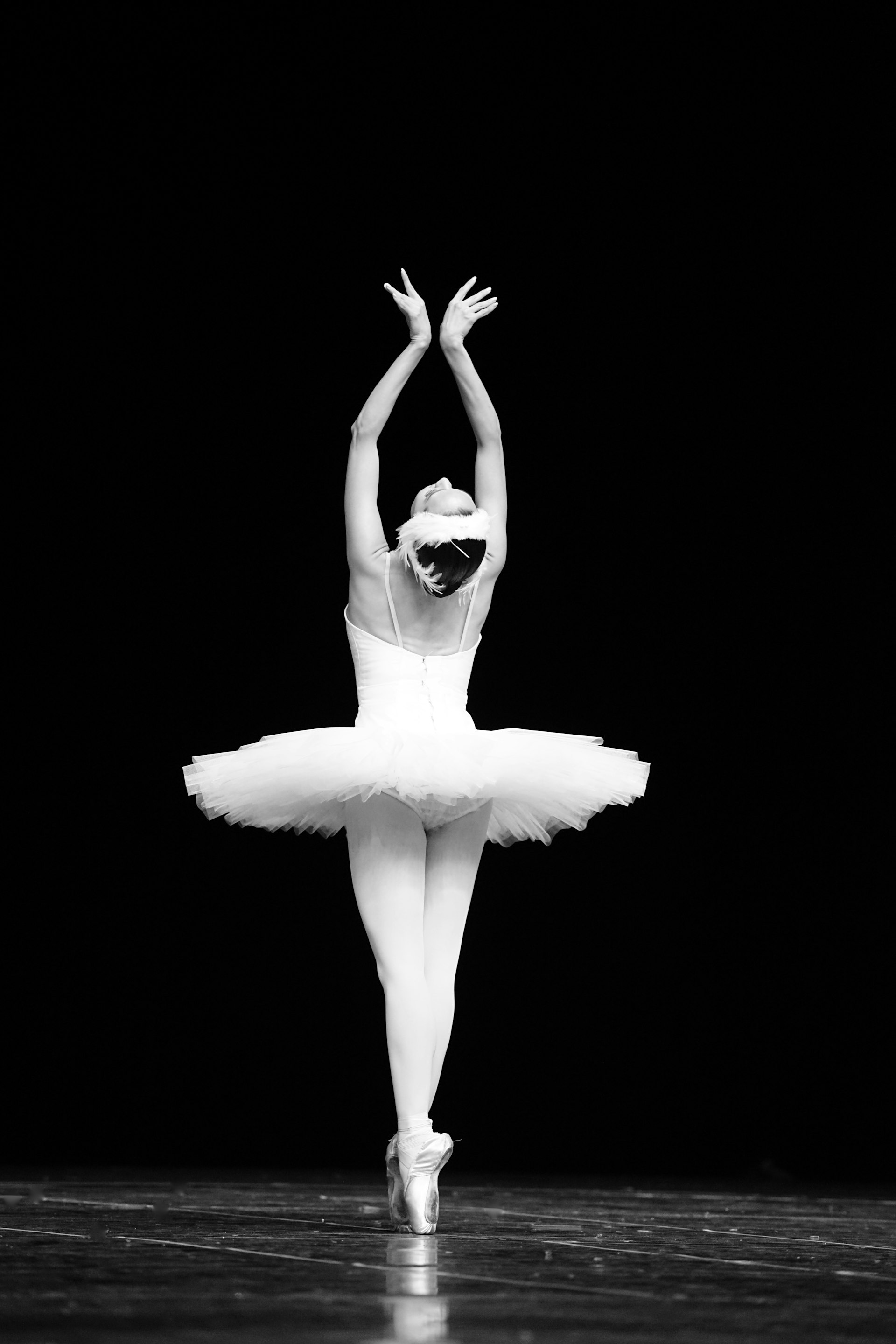
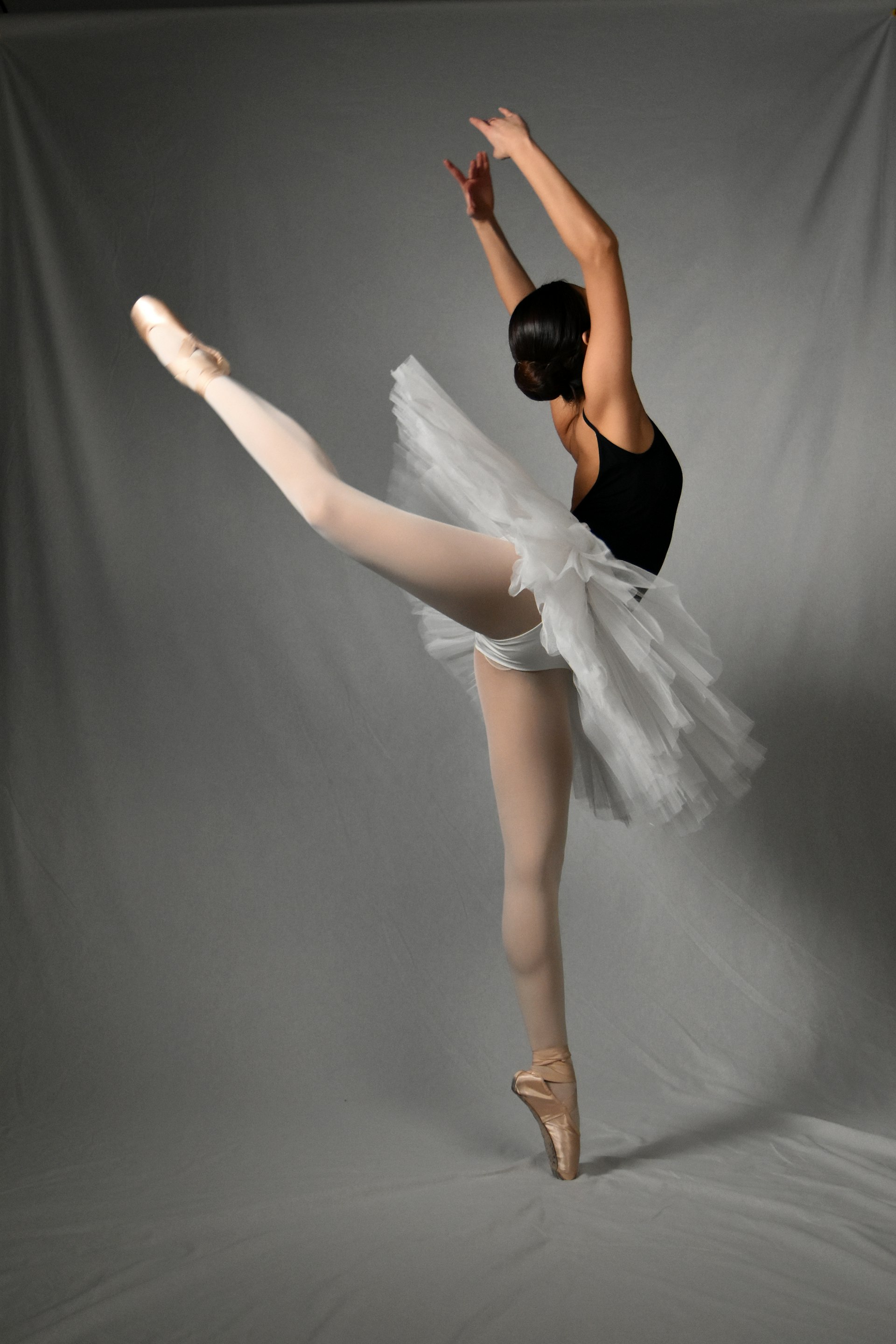
Pointe work is among the most demanding and iconic aspects of classical ballet. Dancing en pointe transforms the silhouette of the dancer, creating the illusion of weightlessness that has defined the art form since the Romantic era. But behind that illusion lies years of careful preparation, progressive strengthening, and meticulous attention to alignment and placement.
At The Global Conservatory, pointe training is never rushed. Our faculty assess each student's readiness individually, evaluating foot strength, ankle stability, core control, and overall technical maturity before introducing pointe work. Once begun, training progresses systematically from simple rises and relevés at the barre through increasingly complex centre work to the performance of solo variations from the classical repertoire.
Variations (the great solo dances of the ballet canon) are the ultimate expression of pointe technique. From the Sugar Plum Fairy to Odile's 32 fouettés, from Giselle's ghostly arabesques to Aurora's Rose Adagio, each variation demands a specific combination of technical mastery and interpretive artistry. Our coaching prepares dancers not merely to execute these variations, but to inhabit them.
Why pointe work demands specialist training
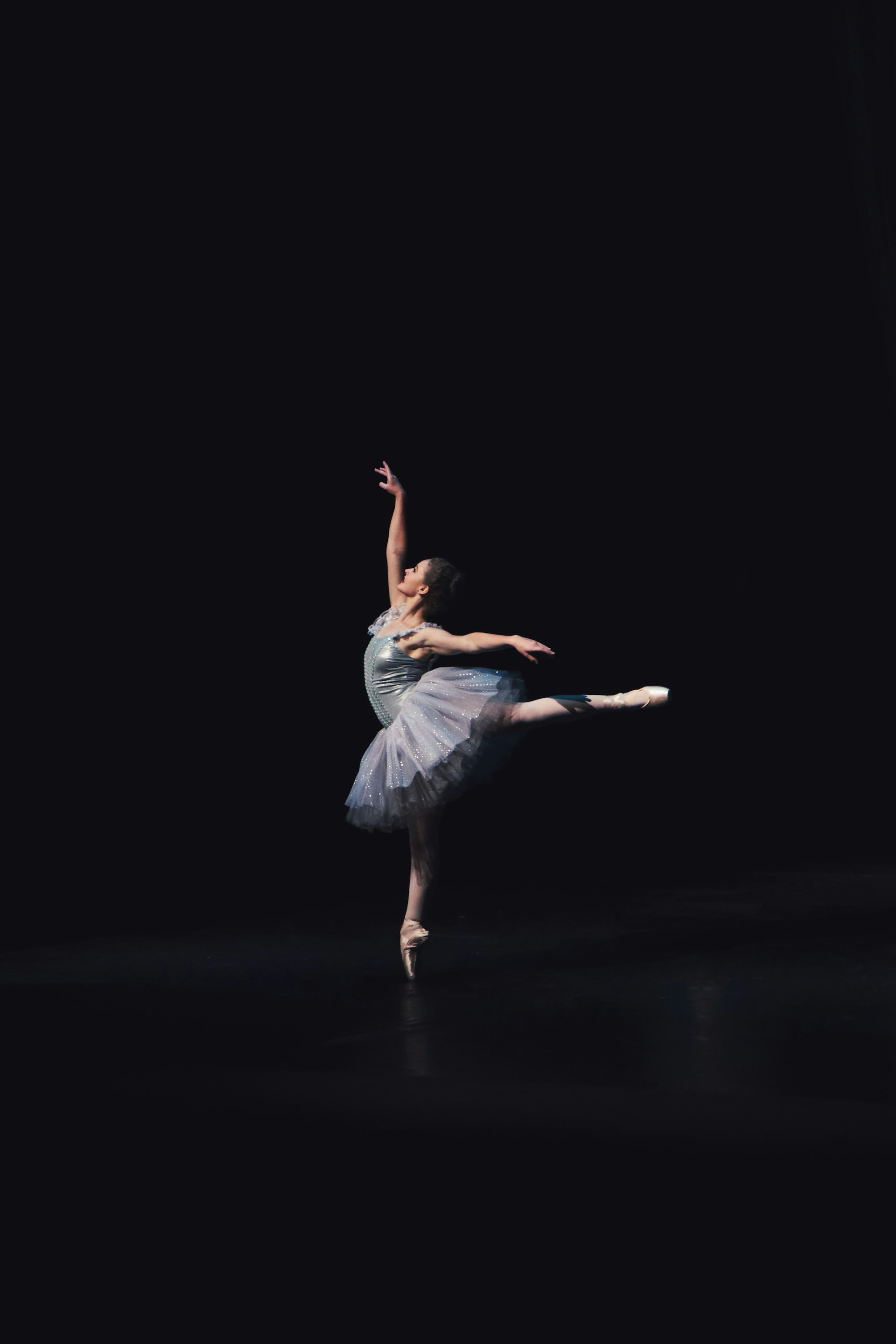
Pointe work is not simply "ballet on your toes." It is a specialised discipline that places extraordinary demands on the foot, ankle, and entire kinetic chain. The margin for error is millimetres, the difference between a secure, beautiful relevé and an injury can be a fraction of misplacement in the metatarsals.
- It requires readiness: beginning pointe work before the body is prepared is the most common cause of preventable foot and ankle injuries in young dancers.
- It demands specificity: the exercises that prepare a dancer for pointe are different from those of flat technique. Relevé patterns, demi-pointe strengthening, intrinsic foot work, and theraband exercises all target the specific structures that bear load en pointe.
- It rewards patience: the dancers who progress most securely en pointe are those who build slowly, with correct alignment, rather than rushing to more difficult steps.
- It is deeply individual: foot shape, toe length, arch flexibility, and ankle range vary enormously between dancers. A great pointe teacher adapts their approach to each student's anatomy.
"Pointe work is not the goal of ballet training; it is the flowering of it." Agrippina Vaganova
From Marie Taglioni to today
The history of pointe work begins with Marie Taglioni, who in 1832 danced the full length of La Sylphide on the tips of her soft shoes, creating an image of supernatural lightness that changed ballet forever. In the century that followed, pointe technique developed rapidly: shoes became stronger, dancers became more powerful, and the vocabulary of steps en pointe expanded from simple balances to the virtuosic displays of the Russian Imperial Ballet.
The great Italian ballerina Pierina Legnani introduced 32 consecutive fouetté turns into Swan Lake in 1895, a feat that has become the benchmark of female virtuosity. In Russia, Vaganova codified a systematic approach to pointe training that remains the foundation of most professional schools. In the West, Balanchine demanded a new level of speed and attack en pointe, creating choreography that pushed the boundaries of what was technically possible.
Today's dancers inherit all of these traditions, supplemented by modern understanding of foot biomechanics, injury prevention, and pointe shoe technology. The best training honours the heritage of pointe work while incorporating contemporary knowledge about the dancer's body.
Pointe training progression
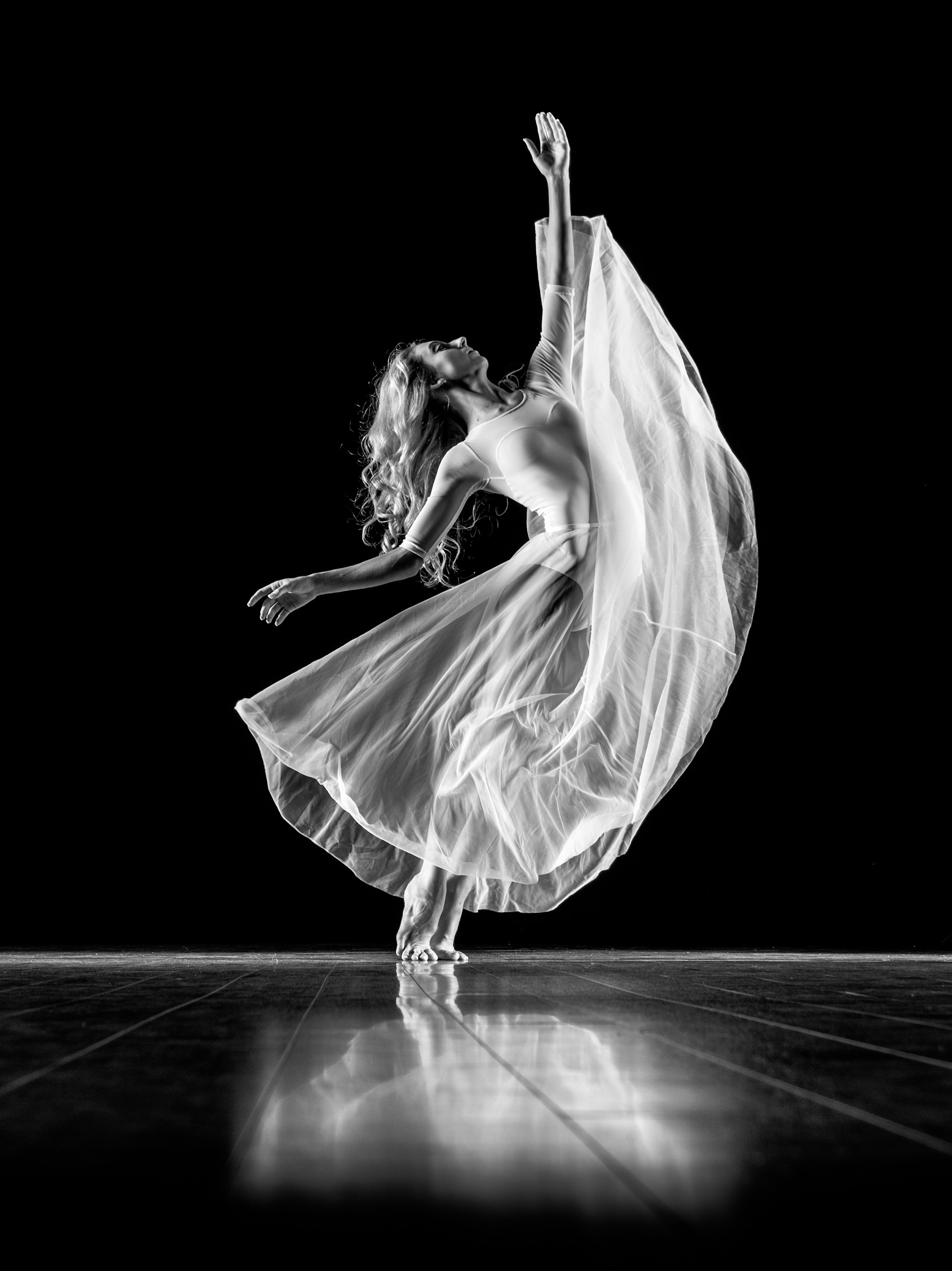
Pointe work is introduced only when the student demonstrates sufficient strength, alignment, and technical maturity.
Preparation
Building the foot, ankle, and core strength needed to safely begin pointe work.
- Relevé and demi-pointe exercises
- Theraband and intrinsic foot strengthening
- Ankle stability and balance work
- Assessment of pointe readiness
Foundations En Pointe
First experiences en pointe, always at the barre, with careful attention to placement.
- Rises in first, second, and fifth positions
- Échappé relevé and sous-sus
- Relevé passé at the barre
- Introduction to simple pirouettes en pointe
Centre & Turns
Moving to the centre and developing the turning and balance skills unique to pointe work.
- Sustained balances en pointe in centre
- Pirouettes en pointe from various preparations
- Travelling steps: piqué, bourrée, ballonné
- Beginning variation work
Variations & Repertoire
Performing the great solo variations of the classical canon with technical security and artistry.
- 32 fouettés and extended turning sequences
- Complete variations from the classical repertoire
- Partnered pointe work with cavalier
- Performance coaching for auditions and stage
What a pointe class looks like
Pointe classes follow a careful progression from strengthening at the barre through increasingly demanding centre work, always prioritising correct placement and injury prevention.
Pre-Pointe Warm-Up
The class begins in flat shoes with exercises specifically designed to warm and activate the feet, ankles, and intrinsic muscles. Relevé patterns, demi-pointe balance work, and foot articulation exercises prepare the body for the demands of pointe.
Barre En Pointe
Students put on pointe shoes and work at the barre, rises, échappés, relevé passé, and sous-sus. The barre provides security while the teacher observes and corrects alignment of the metatarsals, ankle, knee, and hip.
Centre En Pointe
Simple balances and turns in the centre, then gradually more complex combinations. The challenge increases as the dancer must maintain placement without the barre's support.
Travelling Steps
Piqué turns, bourrée, ballonné, and other travelling steps that develop the ability to move fluently across the stage en pointe while maintaining line and direction.
Variation Coaching
For advanced students, the class includes work on specific variations from the classical repertoire (Sugar Plum, Aurora, Odile, Swanilda, Kitri) with detailed attention to musicality, stylistic authenticity, and dramatic expression.
Cool-Down & Foot Care
Structured cool-down for the feet and ankles, including massage, stretching, and guidance on pointe shoe care, padding, and when to replace shoes.
What you'll gain
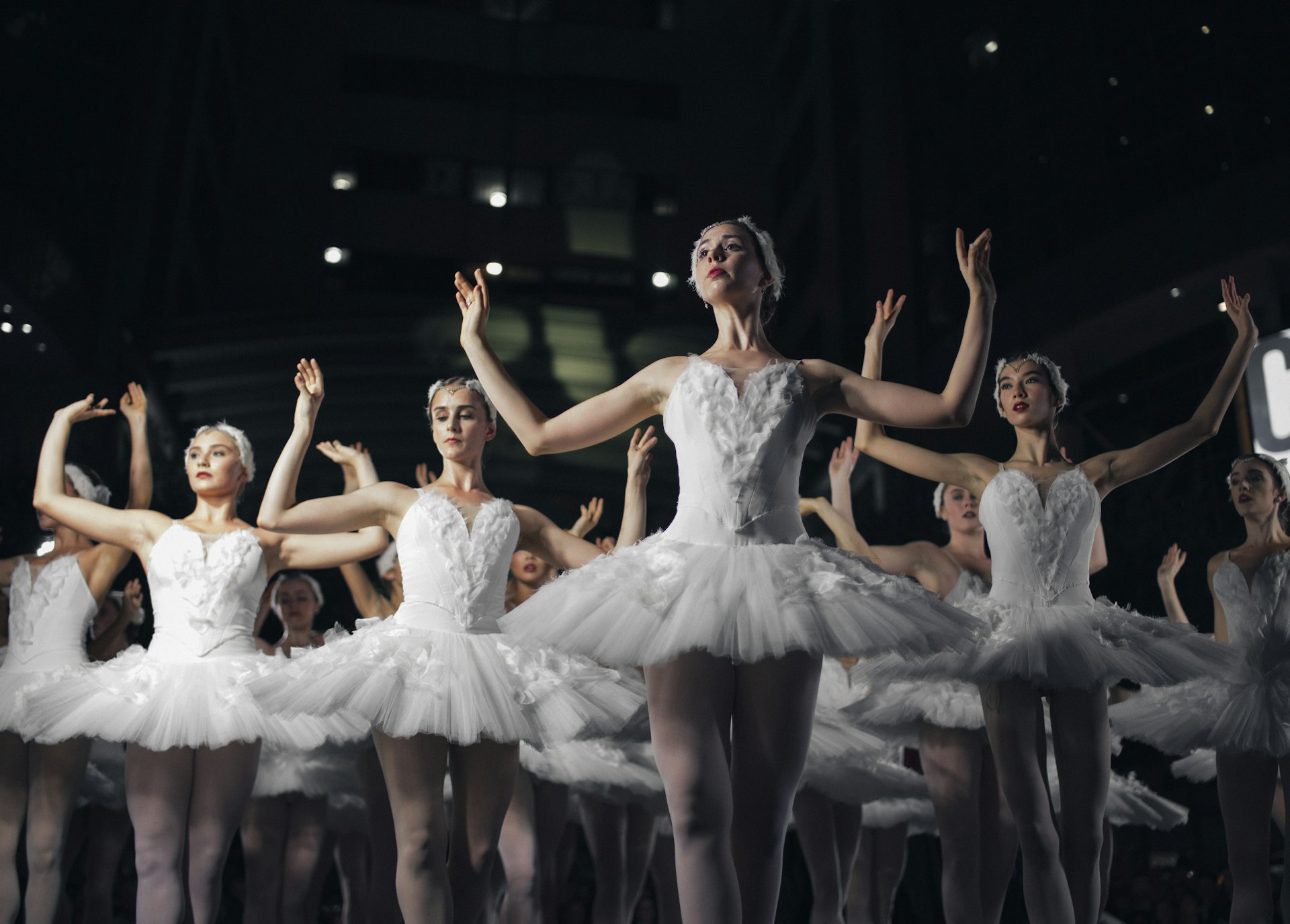
Pointe training develops specific skills that are essential for the classical ballet dancer.
Technical Security En Pointe
The strength, alignment, and confidence to dance en pointe with control and artistry.
Repertoire Knowledge
Familiarity with the great solo variations of the classical canon, their demands, their styles, and their history.
Foot Health & Longevity
Understanding of foot care, injury prevention, and the sustainable practice of pointe work throughout a career.
Audition Readiness
The ability to perform variations cleanly and expressively in audition settings, a key requirement for company positions.
Artistic Maturity
The expressive range to inhabit a variation's character, not merely execute its steps.
Self-Knowledge
A deep understanding of your own feet, your strengths, and how to work with (not against) your individual anatomy.
What you'll study in depth
Our pointe curriculum integrates technique, repertoire, and body science for the complete pointe dancer.
Foot & Ankle Science
Understanding the anatomy of the foot en pointe, metatarsal alignment, plantar flexion, demi-pointe mechanics, and common injury patterns.
Progressive Pointe Training
Systematic development from pre-pointe through advanced, following Vaganova and RAD progressions adapted to each student.
Classical Variations
Coaching in the solo variations of the Romantic and Classical repertoire, Swan Lake, Sleeping Beauty, Giselle, Coppélia, Don Quixote, and more.
Targeted Conditioning
Exercises specifically designed for the pointe dancer, intrinsic foot work, ankle stability, relevé patterns, and theraband protocols.
Beyond the Steps
Musicality, breath, dramatic intention, and the interpretive qualities that distinguish a dancer from a technician.
Pointe Shoe Fitting & Care
Understanding shoe construction, fitting, ribbons, elastics, padding options, and when to retire a pair, essential knowledge for every pointe dancer.
Who this is for
- Pre-pointe students: dancers who have been recommended to begin preparing for pointe work and need structured strengthening.
- Beginning pointe students: those who have been cleared for pointe and want expert guidance from internationally experienced teachers.
- Intermediate dancers: students working en pointe who want to improve their security, artistry, and begin variation work.
- Advanced and pre-professional dancers: those preparing specific variations for auditions, competitions, or summer intensives.
- Returning dancers: adults resuming pointe work after a break who want to rebuild safely and correctly.

Who teaches dance here
Private lessons are open now. Choose a teacher, see the price, and book directly.
The whole faculty, by instrument →
Also in the Ballet Division
Begin Your Pointe Training
Whether you are preparing for your first pair of pointe shoes or polishing a variation for audition season, our faculty will guide you with care and expertise.