
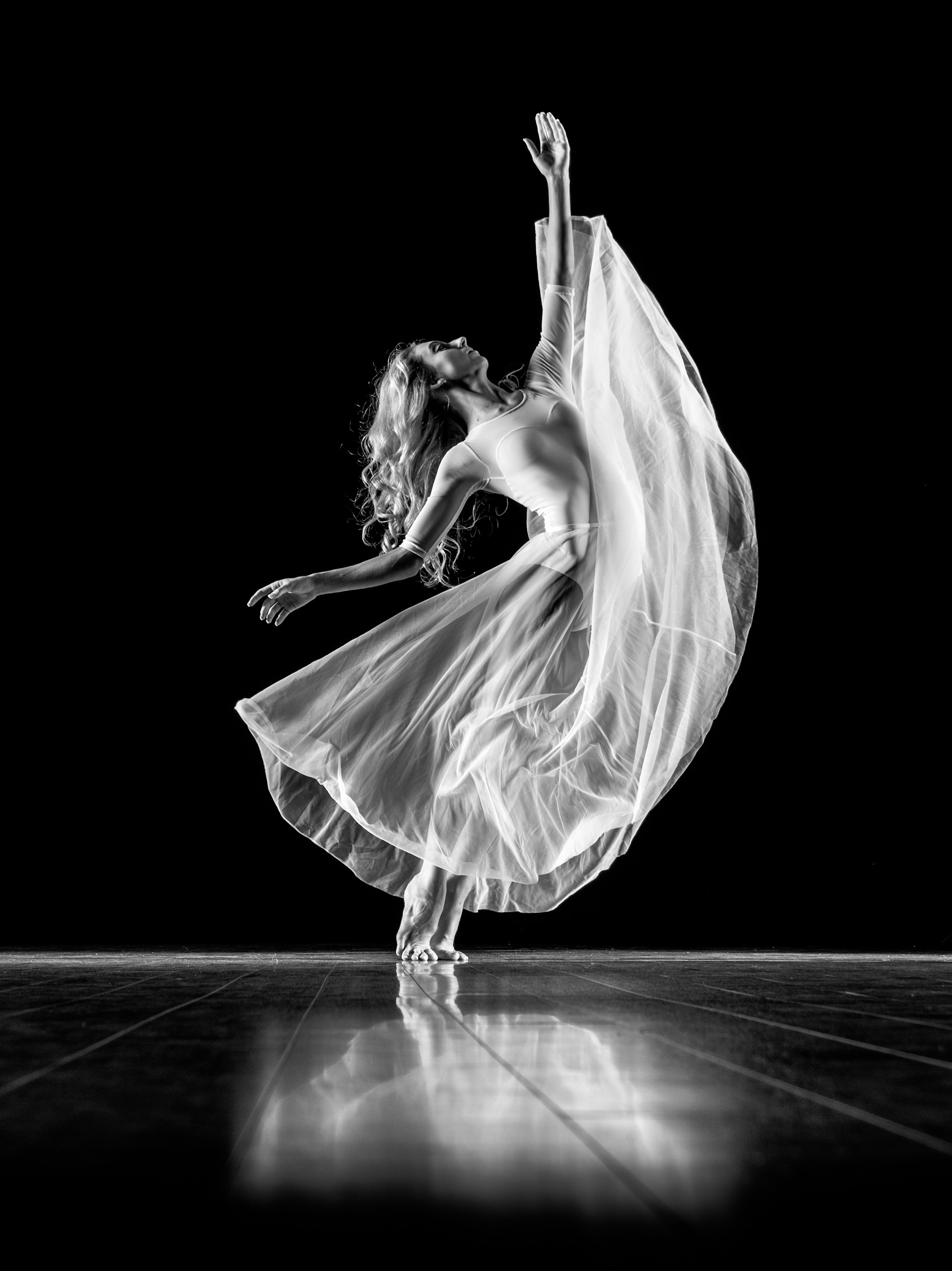
Ballet & Dance Division / Classical Ballet Technique
Classical Ballet Technique
The foundation of every dancer's training, centuries of refined technique, passed from teacher to student through the living tradition of the barre, the centre, and the stage.
The discipline that begins every dancer's journey
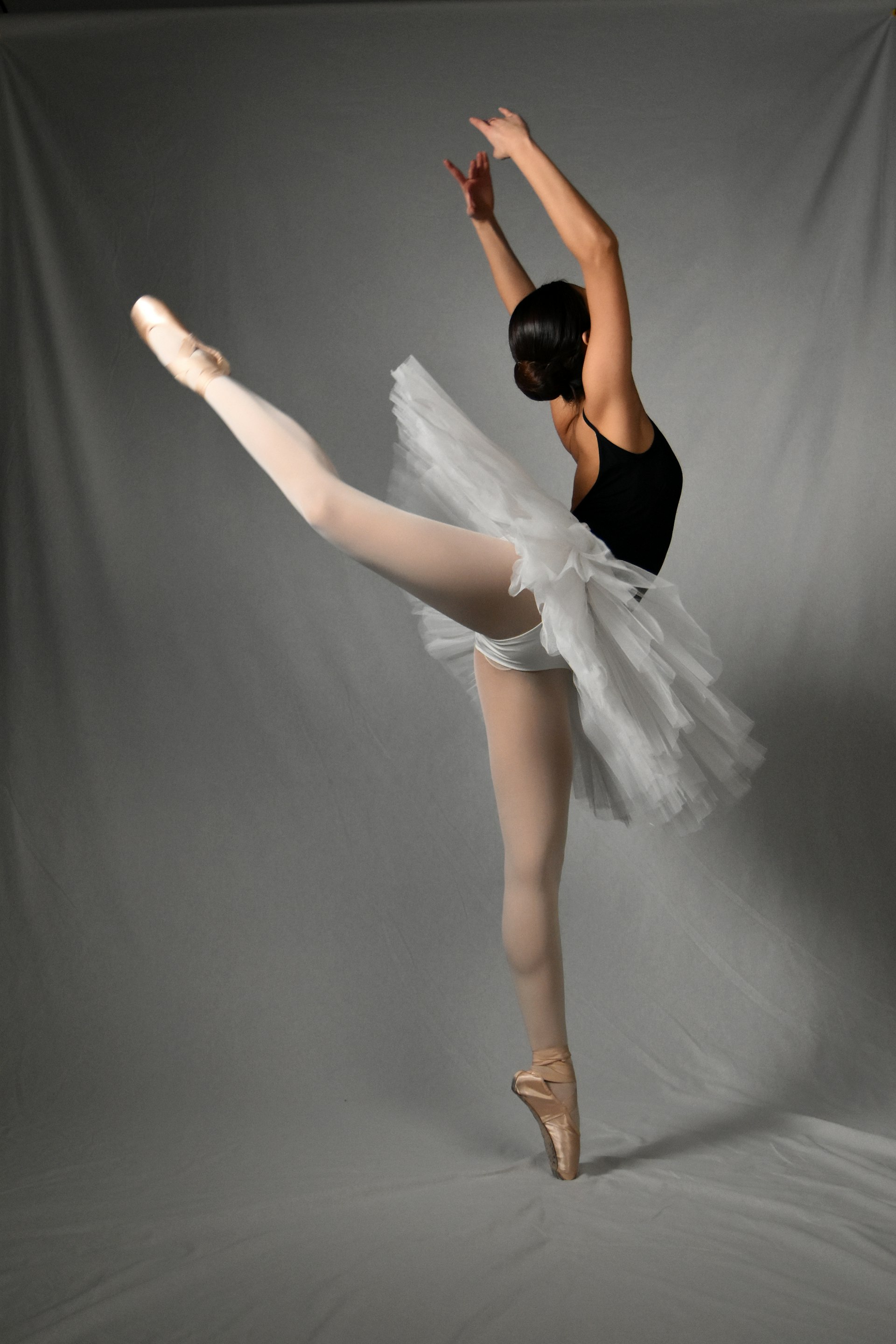
Classical ballet technique is the foundation upon which all other dance forms build. At its core is a system of codified movements, developed over four centuries, that trains the body to move with precision, grace, strength, and musicality. From the first plié at the barre to the most demanding variations of the repertoire, classical technique is the daily practice that shapes a dancer's instrument.
The training is rigorous, systematic, and deeply personal. Every dancer's body is different, and a great teacher adapts the principles of classical technique to each student, finding the alignment, the placement, the quality of movement that unlocks their individual artistry. This is not about conformity. It is about building a physical vocabulary so complete that the body can express anything the choreographer or the music demands.
At The Global Conservatory, our ballet faculty represent the world's great training traditions (Vaganova, Cecchetti, Royal Academy, Balanchine, and Paris Opéra), ensuring that students receive a comprehensive education in classical form while developing their own artistic identity.
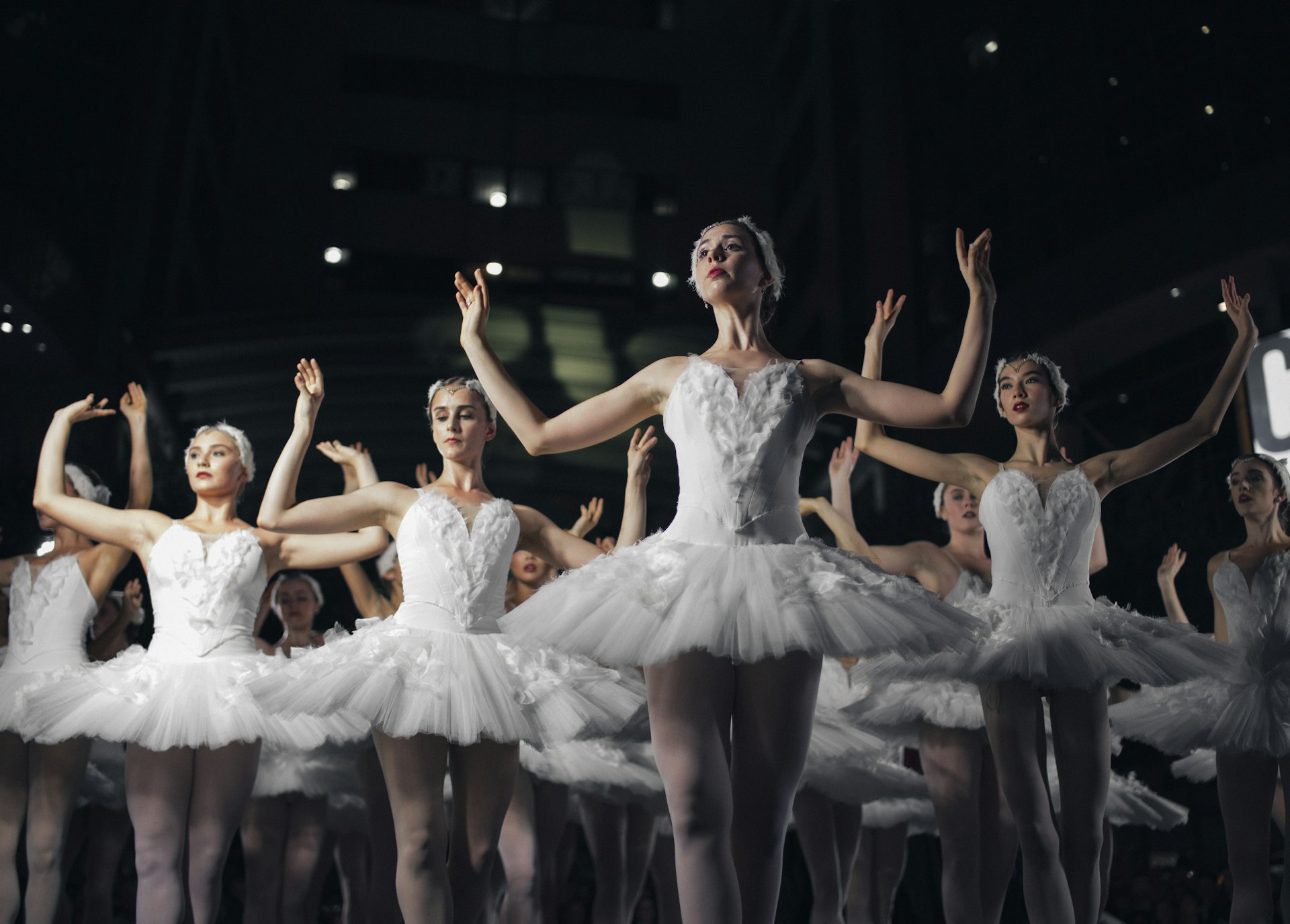
Why classical technique is irreplaceable
Classical ballet technique is not merely one style among many; it is the architectural foundation of Western theatrical dance. Every contemporary ballet company, every modern dance company that values technical range, and every musical theatre production that demands precision draws on the principles established in the classical tradition.
- It trains alignment and placement: the organised, efficient use of the skeleton and musculature that prevents injury and creates the appearance of effortlessness.
- It builds strength systematically: from the slow, controlled work of plié and tendu through the explosive power of grand allegro, each exercise in the classical syllabus serves a specific developmental purpose.
- It develops musicality: the relationship between movement and music in ballet is precise, nuanced, and deeply expressive. Training in classical technique means training the ear as well as the body.
- It cultivates artistry: épaulement, port de bras, the quality of the gaze, the use of breath: these are not decorations added to technique. They are technique itself, the elements that transform movement into dance.
"Technique is what you fall back on when you run out of inspiration." Rudolf Nureyev
The great pedagogues of the classical tradition (Vaganova, Cecchetti, Bournonville, Balanchine) each developed methods that emphasise different qualities: Vaganova's flowing coordination of the whole body, Cecchetti's clean épaulement and battery, Bournonville's buoyant ballon, Balanchine's speed and musicality. A well-rounded dancer studies them all.
The great schools of classical ballet
The history of ballet technique is the history of great schools and their master teachers. In Imperial Russia, the French-Italian tradition was transformed by teachers like Johansson, Gerdt, and later Vaganova, who synthesised the best elements of the French and Italian schools into the method that still bears her name. The Vaganova method, with its emphasis on the harmonious development of the whole body, its careful progression from simple to complex, and its integration of artistic expression into every exercise, remains the most widely taught system in the world.
In Italy, Enrico Cecchetti developed a system notable for its rigour, its attention to detail, and its emphasis on speed, ballon, and clean footwork. The Cecchetti method assigns specific exercises to each day of the week, creating a systematic training cycle that develops all aspects of technique over time. The Royal Academy of Dance in London adopted and adapted this method, creating a graded examination system that has become an international standard.
In Denmark, August Bournonville preserved and refined the Romantic style, creating a repertoire of dances and a teaching method that emphasises lightness, ballon, and joy in movement. The Bournonville school is unique in its equal development of male and female dancers, and its emphasis on épaulement and the upper body.
In America, George Balanchine revolutionised classical technique for the twentieth century, demanding greater speed, greater extension, greater musicality, and a leaner, more athletic aesthetic. The Balanchine style, with its emphasis on musicality, off-centre balances, and stripped-down theatricality, influenced virtually every ballet company in the Western world.
Training levels
Classical technique training is structured in four progressive tiers, each building on the foundations of the previous.
Fundamentals
Establishing correct alignment, basic positions, and the foundational vocabulary of classical ballet.
- Five positions of the feet and arms
- Plié, tendu, dégagé, rond de jambe
- Basic port de bras and épaulement
- Introduction to centre work and simple allegro
Building Strength
Developing power, coordination, and the ability to combine movements into longer phrases.
- Fondu, frappé, développé, grand battement
- Pirouettes from fourth and fifth positions
- Petit and medium allegro combinations
- Adagio with sustained balances
Artistry & Virtuosity
Refining technique toward performance quality: speed, musicality, and dramatic expression.
- Complex enchainements at tempo
- Grand allegro: grand jeté, tours en l'air
- Multiple pirouettes and advanced turns
- Manèges and diagonal combinations
Performance Readiness
Preparing for company auditions and professional repertoire demands.
- Full-length variation coaching
- Stylistic versatility across schools
- Audition preparation and mock panels
- Repertoire from the classical canon
What a classical technique class looks like
A classical ballet class follows a centuries-old structure, refined by generations of master teachers. Every exercise builds on the previous, progressing from simple to complex, from slow to fast, from the security of the barre to the freedom of the centre.
Barre
The class begins at the barre with pliés, the foundational movement that warms the body, establishes alignment, and connects the dancer to the music. Each subsequent exercise (tendu, dégagé, rond de jambe, fondu, frappé, développé, grand battement) isolates specific muscle groups and movement principles, building systematically toward the full range of classical technique.
Centre Practice: Adagio
Moving away from the barre, the dancer must now maintain alignment and placement without support. Adagio (slow, sustained movement) develops balance, control, and the sculptural quality of classical line. Port de bras, développé, promenade, and penché demand concentration and core strength.
Centre Practice: Pirouettes
Turning technique is trained separately, progressing from quarter turns and preparations through single, double, and eventually multiple pirouettes from various positions. The emphasis is on clean preparation, centred balance, and controlled finish.
Petit & Medium Allegro
Small, quick jumping combinations develop speed, precision, batterie, and rhythmic clarity. Assemblé, jeté, glissade, brisé, and entrechat train the feet and lower legs for the explosive power required in the classical repertoire.
Grand Allegro
The climactic section of the class: large, travelling movements that demand power, elevation, and spatial awareness. Grand jeté, saut de basque, tours en l'air, and manèges across the diagonal bring together every element of the training.
Révérence
The class closes with a formal bow, the révérence, acknowledging the teacher, the pianist, and the art form itself. This ritual connects contemporary dancers to four centuries of tradition and reminds them that technique, however demanding, exists in service of beauty.
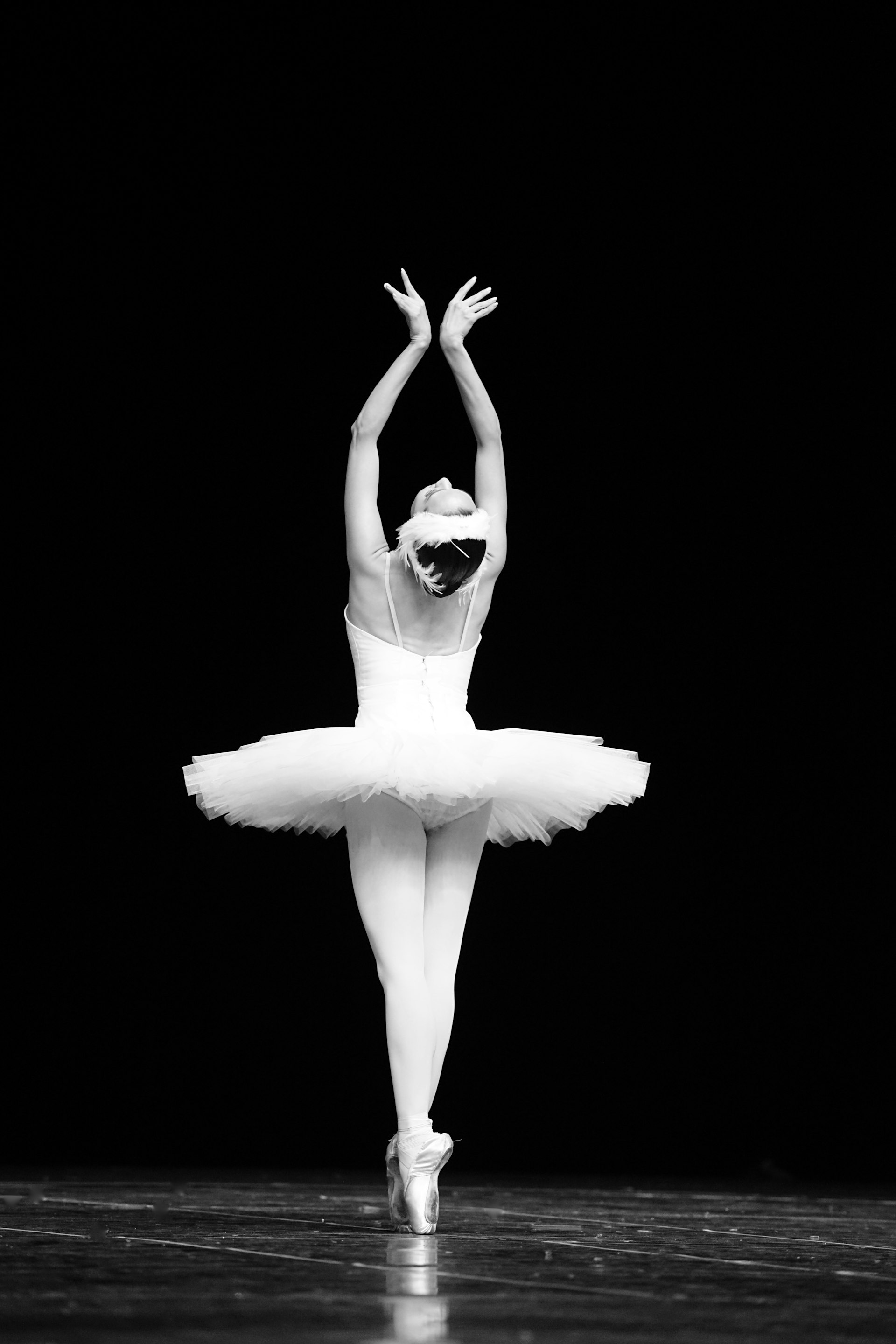
What you'll gain
Classical ballet technique develops the complete dancer, physically, musically, and artistically.
Technical Foundation
A secure, comprehensive vocabulary of classical movement that serves every style and choreographic demand.
Physical Intelligence
Deep proprioceptive awareness: the ability to place the body precisely in space, with control and efficiency.
Musicality
An intimate relationship with music: phrasing, dynamics, rubato, and the ability to let the body respond to sound.
Artistic Expression
The épaulement, port de bras, and quality of movement that transform technique into artistry.
Professional Preparedness
The stamina, discipline, and versatility required by companies and choreographers worldwide.
Injury Resilience
Correct alignment and progressive training that builds a strong, sustainable dancer's body.
What you'll study in depth
Our classical technique curriculum draws from the world's great training traditions, adapted for each student's developmental stage.
Placement & Anatomical Awareness
Understanding how the skeleton supports movement: pelvic placement, spinal alignment, turnout mechanics, and the physics of balance.
The Foundation of Daily Practice
Systematic barre exercises across all major syllabi (Vaganova, Cecchetti, RAD, and Balanchine), developing strength, coordination, and musical sensitivity.
Balance, Line & Spatial Awareness
Adagio, pirouettes, and petit allegro in the centre, where the dancer must maintain everything learned at the barre without support.
The Art of Jumping
From petit batterie to grand allegro, developing elevation, ballon, clean landings, and the aerial quality that defines classical ballet.
The Poetry of the Upper Body
Arm movements, épaulement, head placement, and the coordination of the upper body with every step and position.
Dancing With the Music, Not On It
Phrasing, dynamics, breath, rubato, and the relationship between movement and musical structure across different tempi and metres.
Who this is for
- Serious beginners: adults with little or no training who want to learn ballet properly, from the ground up, with correct technique from the start.
- Returning dancers: those who studied ballet as children or teenagers and want to resume training with a focus on alignment, artistry, and sustainable technique.
- Intermediate dancers: students currently training who want to deepen their understanding of classical form and work with internationally recognised faculty.
- Pre-professional dancers: advanced students preparing for company auditions, summer intensives, or conservatory entrance who need to refine and polish their classical technique.
- Professional dancers: working artists who want to maintain and develop their classical foundation through coaching with internationally accomplished teachers.

Who teaches dance here
Private lessons are open now. Choose a teacher, see the price, and book directly.
The whole faculty, by instrument →
Also in the Ballet Division
Begin Your Classical Training
Choose a teacher from our international ballet faculty and begin building the technical foundation that every great dancer relies on.