
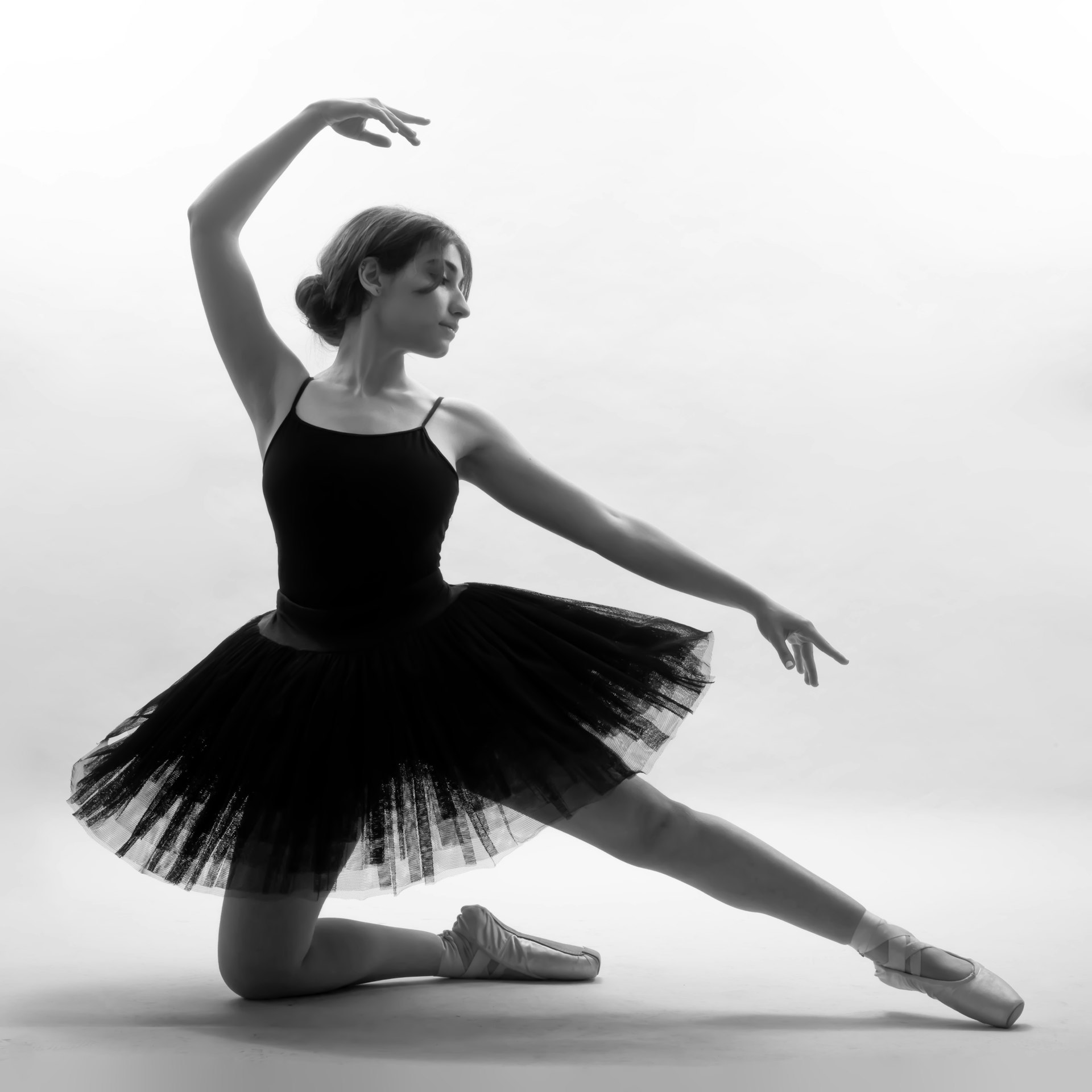
Ballet & Dance Division / Ballet Conditioning & Body Work
Private lessons open now · Next intake September 2027
Ballet Conditioning & Body Work
The scientific and somatic foundations of a resilient, powerful, and expressive ballet body, training the instrument that makes artistry possible.
Building the Dancer’s Instrument
A ballet career demands extraordinary physical capacity: the hip external rotation of a gymnast, the foot strength of a rock climber, the core stability of a martial artist, and the stamina of a middle-distance runner, all wrapped in the aesthetic of effortless grace. Classical training alone cannot build this complete athlete. Targeted conditioning is not a supplement to ballet; it is an essential parallel discipline.
Our programme integrates evidence-based strength training, Pilates, floor barre, somatic practices, and injury-prevention protocols designed specifically for the demands of ballet technique. Every exercise is selected for its direct transfer to the studio and stage, ensuring that conditioning work enhances rather than interferes with classical aesthetics.
Why Ballet Conditioning & Body Work Matters
- Injury prevention: Research consistently demonstrates that supplementary strength training reduces ballet injury rates. Targeted conditioning addresses the muscle imbalances inherent in classical training, overdeveloped hip flexors, weak deep rotators, insufficient posterior chain strength.
- Technical breakthrough: When a dancer cannot achieve a movement (a stable arabesque penche, a controlled descend from relevé, a sustained adagio extension) the barrier is almost always strength or mobility, not understanding. Conditioning removes physical ceilings that class alone cannot address.
- Career longevity: The average professional ballet career spans roughly 15 years. Dancers who invest in conditioning and body work consistently extend their performing years and report higher career satisfaction and lower chronic pain.
- Somatic awareness: Body work practices (Feldenkrais, Alexander Technique, Body-Mind Centering) develop the internal perception that transforms mechanical movement into embodied artistry.
“The body is the dancer’s instrument. Like any fine instrument, it must be tuned, maintained, and understood from the inside out.”
From Floor Barre to Sports Science
Ballet conditioning has evolved from Zena Rommett’s pioneering floor barre (which allowed injured dancers to maintain technique while healing) through the Pilates revolution that Joseph Pilates himself brought to the New York dance community, to today’s integration of sports science, physiotherapy research, and somatic education.
Modern ballet conditioning draws on peer-reviewed research in biomechanics, motor learning, and exercise physiology. We know now that eccentric strengthening protects tendons, that proprioceptive training prevents ankle sprains, that periodised strength programmes enhance jump height without adding bulk. Our curriculum synthesises this evidence into practical protocols that respect the dancer’s aesthetic and schedule.
Conditioning Programme Levels
Progressive physical preparation from foundational body awareness to elite performance conditioning.
Foundation Body Work
Establishing baseline strength, mobility, and body awareness for safe ballet training.
- Core stability fundamentals: deep abdominal activation, pelvic floor awareness
- Floor barre technique for placement and alignment without gravitational load
- Basic Pilates mat work adapted for ballet-specific needs
- Foam rolling and self-myofascial release protocols
Ballet-Specific Strength
Targeted strengthening of the muscle systems most critical to classical technique.
- Deep external rotator strengthening for sustainable turnout
- Foot and ankle intrinsic muscle development with theraband progressions
- Posterior chain activation: gluteal, hamstring, and back extensor work
- Jump preparation: eccentric calf and quadriceps loading protocols
Performance Conditioning
Advanced conditioning for rehearsal stamina, jump power, and partnering demands.
- Periodised strength training aligned with rehearsal and performance schedules
- Plyometric training for elevation and explosive power in allegro
- Cardiovascular interval training mimicking ballet performance energy demands
- Partnering-specific upper body and core strength for lifts and supports
Somatic Integration & Recovery
Advanced body work practices for artistic depth and career sustainability.
- Feldenkrais Awareness Through Movement lessons for dancers
- Alexander Technique applied to barre, centre, and performance
- Restorative practices: yoga nidra, progressive relaxation, breath work
- Return-from-injury reconditioning protocols and graduated loading
Conditioning Session Format
Sessions are designed to complement daily ballet class, addressing what technique class cannot.
Movement Assessment
Brief screening of current range of motion, stability, and areas of tension to customise the session’s focus.
Activation & Mobilisation
Targeted warm-up activating deep stabilisers and mobilising joints that will be loaded during the conditioning work.
Strength Circuit
Ballet-specific resistance exercises targeting identified weaknesses: rotators, feet, core, posterior chain, and upper body.
Power & Plyometrics
Explosive training for jump height, landing control, and the fast-twitch capacity required for allegro and virtuosic passages.
Flexibility & Mobility
Evidence-based stretching protocols (PNF, active isolated, and loaded stretching) for functional range of motion.
Recovery & Integration
Cool-down incorporating foam rolling, breath work, and somatic awareness to consolidate gains and prepare for subsequent training.
Programme Outcomes
Dancers completing the full programme will achieve:
Reduced Injury Risk
Measurably improved strength in the deep rotators, foot intrinsics, and posterior chain muscles most vulnerable to ballet-related injury.
Enhanced Jump Power
Increased vertical elevation and controlled landings through plyometric and eccentric loading protocols.
Sustainable Turnout
Functional external rotation maintained through full range of motion by strengthened deep rotators rather than forced skeletal positioning.
Core Mastery
Deep stabilisation system activation that supports balance, pirouettes, and sustained adagio without breath-holding or rigidity.
Somatic Intelligence
Refined proprioception and internal awareness enabling self-correction, efficient movement patterning, and artistic embodiment.
Career Resilience
Physical preparation and recovery strategies that support a long, healthy, and artistically fulfilling dance career.
Conditioning Curriculum
Six domains bridging exercise science, somatic practice, and ballet pedagogy.
Anatomy & Biomechanics for Dancers
Functional anatomy of turnout, pointe, jumps, and extensions, understanding the body’s architecture to train it intelligently.
Pilates & Floor Barre
Mat and reformer Pilates alongside Rommett-tradition floor barre, building core stability and alignment without gravitational stress.
Strength & Power Training
Progressive resistance training and plyometrics designed for ballet bodies, building power without compromising line or flexibility.
Flexibility & Mobility Science
Evidence-based approaches to increasing and maintaining functional range of motion: PNF, active isolated stretching, and loaded flexibility.
Somatic Practices
Feldenkrais, Alexander Technique, and Body-Mind Centering as tools for movement efficiency, injury recovery, and artistic depth.
Injury Prevention & Recovery
Screening protocols, periodisation strategies, return-from-injury programming, and the dancer wellness frameworks used by leading companies.
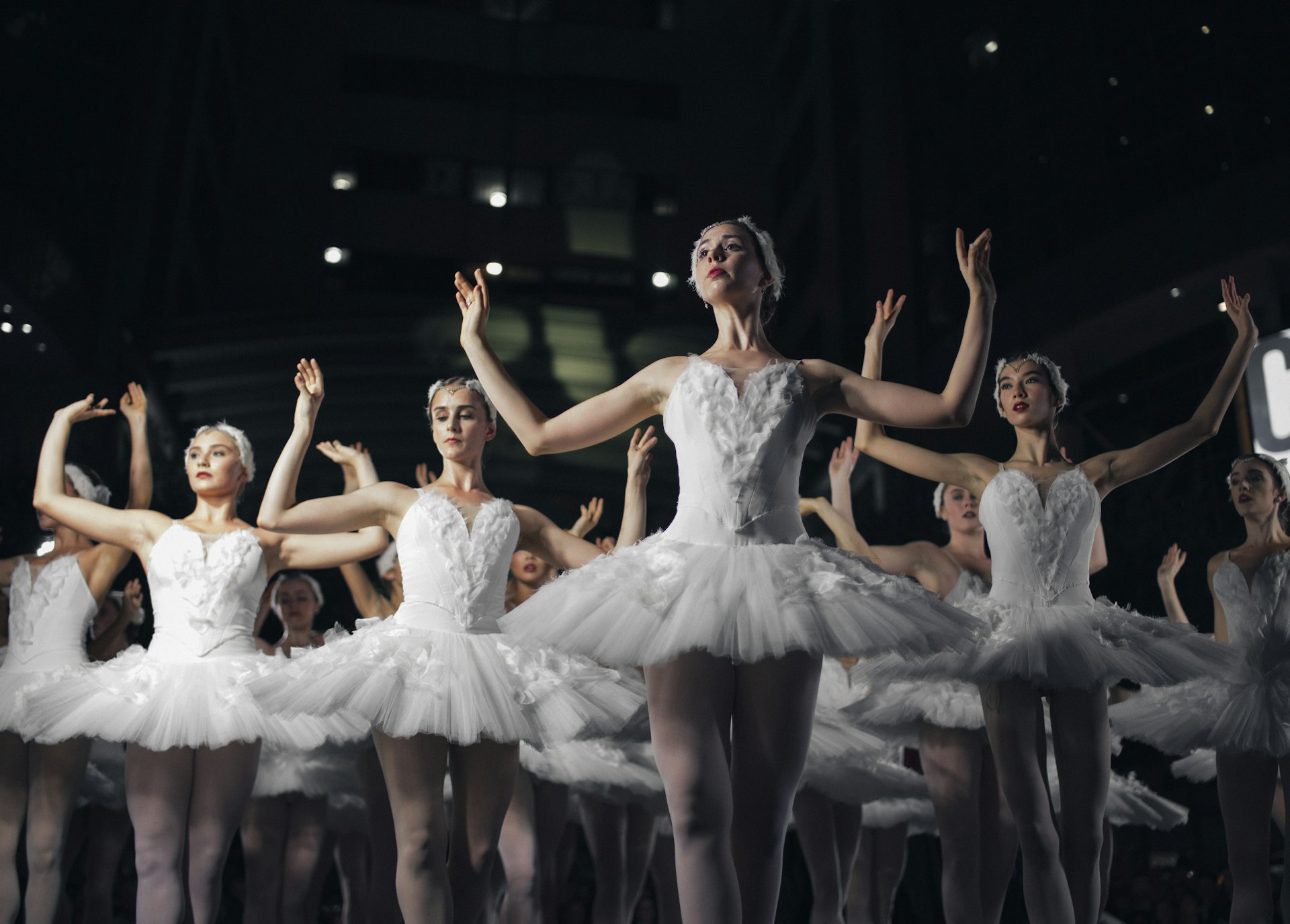
Who this is for
- Pre-professional ballet students Young dancers building the physical foundation for intensive training, auditions, and the demands of a professional career.
- Professional company dancers Working artists seeking to enhance performance capacity, prevent injury, and extend career longevity through evidence-based conditioning.
- Dancers recovering from injury Those returning to full training who need graduated reconditioning protocols to rebuild strength and confidence safely.
- Ballet teachers and coaches Educators who want to integrate conditioning principles into their teaching and better guide students’ physical development.
- Adult recreational dancers Passionate amateurs who want to train their bodies wisely, avoiding injury while maximising the joy and benefit of ballet practice.
Who teaches dance here
Private lessons are open now. Choose a teacher, see the price, and book directly.
The whole faculty, by instrument →
Also in the Ballet Division
Invest in Your Instrument
The strongest, most resilient dancers are not born, they are built through intelligent, consistent conditioning. Start building your foundation today.