Voice Modeling Fundamentals
Understand how AI voice models learn vocal characteristics: timbre, pitch, timing, expression. Learn what makes a voice unique and how technology captures it.

NextGen Music & AI — AI Voice Modeling & Vocal Synthesis
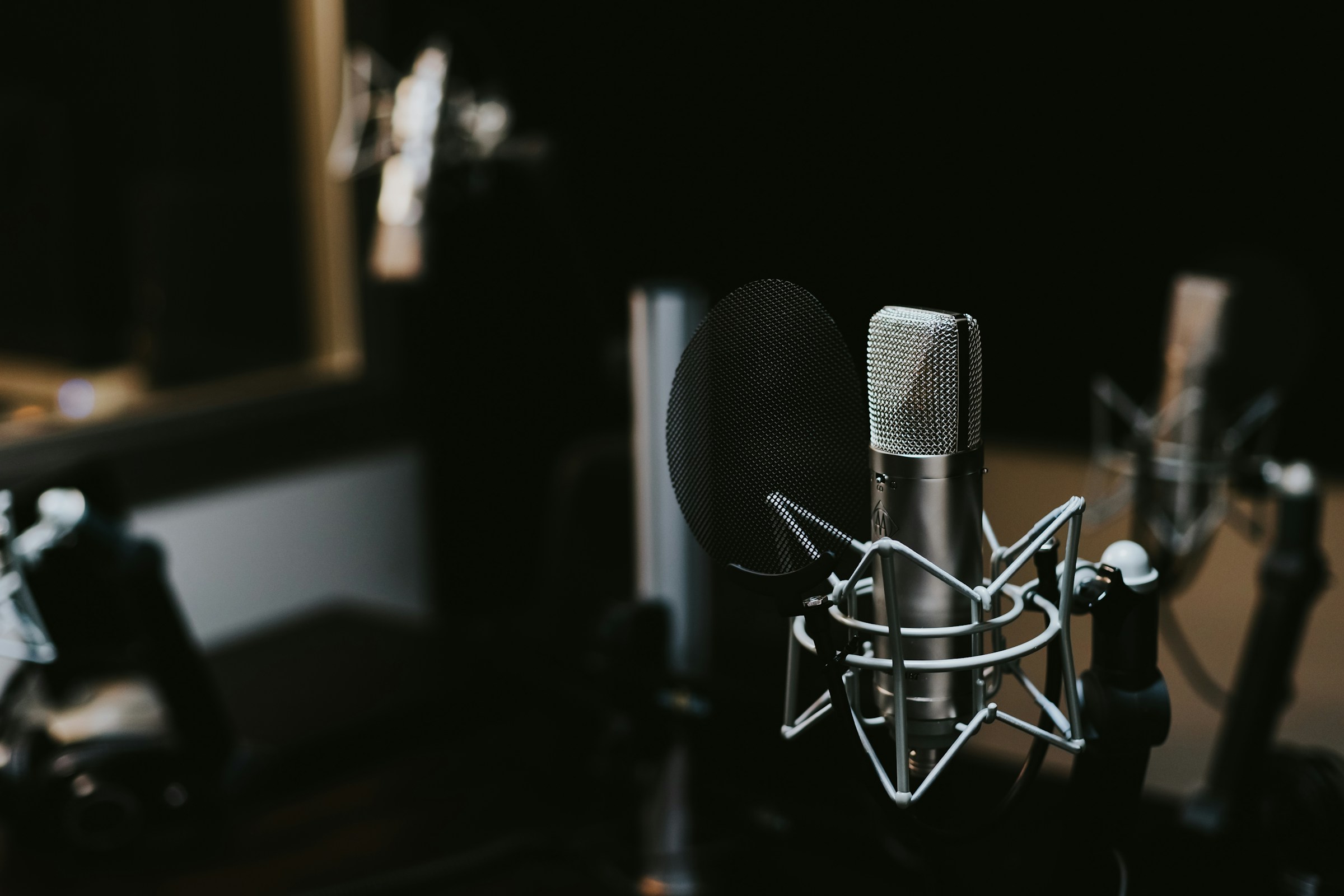
Explore AI-powered voice modeling, vocal synthesis, and voice transformation technologies — with rigorous attention to consent, ethics, and artistic integrity.
AI can now model, clone, and synthesize human voices with remarkable fidelity. This creates extraordinary creative possibilities — and serious ethical responsibilities.
This course teaches both the technology and the ethics. You'll learn how voice modeling works, explore legitimate creative applications, and develop frameworks for responsible use that respect artists, consent, and authenticity.
The goal: Technical fluency paired with ethical clarity.
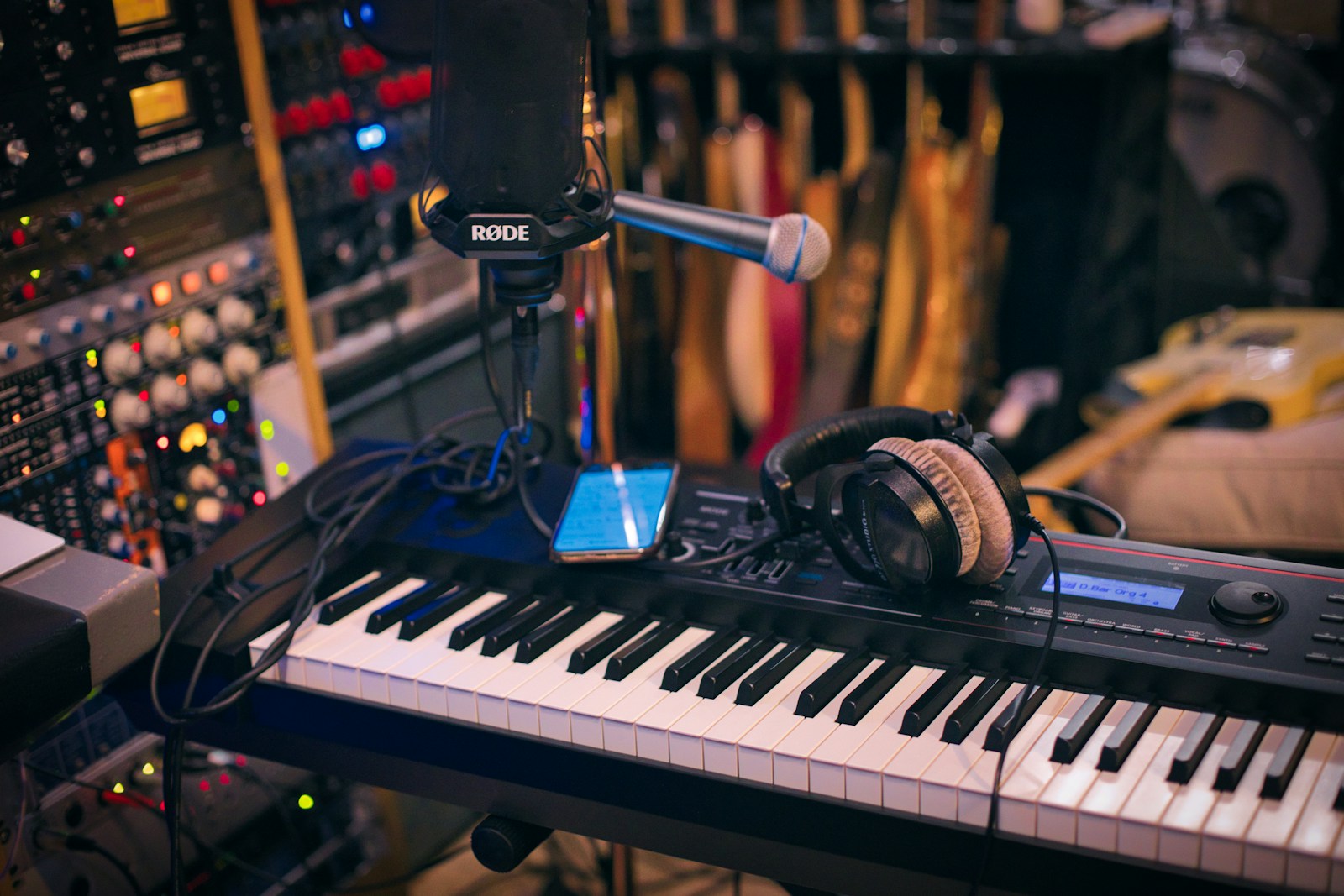
Technical skills and ethical frameworks for responsible voice AI work.
Understand how AI voice models learn vocal characteristics: timbre, pitch, timing, expression. Learn what makes a voice unique and how technology captures it.
Explore text-to-speech, singing synthesis, and vocal transformation. Learn to evaluate quality, control parameters, and work with different synthesis approaches.
Apply real-time and offline voice conversion. Transform pitch, timbre, gender presentation, age characteristics, and stylistic qualities.
Navigate consent requirements, personality rights, and licensing models. Develop protocols for ethical voice AI work that protects artists and subjects.
Learn to detect synthetic voices and understand disclosure requirements. Build practices for transparency that maintain audience trust.
Explore legitimate uses: accessibility, language dubbing, creative production, voice restoration, artistic expression — always with consent at the center.
Every voice AI project begins with consent and ends with disclosure.
Obtain explicit, informed consent from the voice owner. Document permissions, scope of use, compensation, and duration. No consent = no project.
Use only consented material. Implement data security. Consider what characteristics are captured and how the model could be misused.
Stay within consented scope. Review output for unintended content. Maintain artistic standards that honor the original voice.
Label synthetic content appropriately. Maintain transparency with audiences. Document methodology for accountability.
A voice is not raw material. It's a person's identity made audible.
We prioritize tools with ethical licensing and consent frameworks.
Voice AI technology has been used to create non-consensual deepfakes, impersonate artists, and erode trust in audio media. This course takes these harms seriously.
We teach voice modeling in a framework of explicit consent, transparent disclosure, and respect for the people whose voices inform these technologies. If it can't be done ethically, we don't teach it.
Cloning someone's voice without consent is a violation, regardless of technical legality. Every project must begin with explicit, documented permission from the voice owner.
This course does not cover non-consensual voice cloning, celebrity impersonation without permission, deceptive applications, or techniques for evading detection systems.
Ethical applications that demonstrate responsible voice AI practice.
Create a model of your own voice for creative use. Learn the full workflow with yourself as the consenting subject — the safest way to learn.
Create language dubbing that matches original speaker characteristics with full consent. Explore how voice AI can expand content accessibility.
Explore voice preservation for people losing their voice to illness. Work with willing subjects to create voice models they control.
Develop documentation templates for voice AI consent: scope, duration, compensation, revocation rights. Build practices for professional work.
Create artistic voice transformations using your own voice. Explore gender presentation, age characteristics, and stylistic variation.
Create a guide to synthetic voice detection and best practices for labeling AI-generated audio. Build transparency into your workflow.
Audio professionals wanting to understand voice AI's legitimate applications
Voice artists seeking to understand technology that affects their profession
Content creators exploring voice synthesis for accessibility and localization
Researchers and policy analysts studying voice AI ethics and regulation
Musicians and composers interested in ethical vocal AI for creative projects
No. We teach voice modeling techniques using only consented material, primarily your own voice. We do not teach techniques for cloning voices without permission, and ethical consent requirements are integrated throughout the curriculum.
Laws vary by jurisdiction and are rapidly evolving. The course covers emerging legal frameworks, personality rights, and right of publicity, but is not legal advice. We focus on ethical practices that go beyond minimum legal requirements.
Basic audio familiarity helps but isn't required. The course covers necessary fundamentals. The most important prerequisites are interest in the technology and commitment to ethical practice.
We cover detection tools, contract language, monitoring approaches, and response strategies. Understanding the technology helps voice professionals protect their rights and negotiate better terms.
A decent microphone (USB or XLR), quiet recording space, and computer capable of running current AI tools. Specific hardware recommendations will be provided before the course begins.
Join the Interest List for AI Voice Modeling & Vocal Synthesis. Be notified when enrollment opens and receive curriculum previews that explore responsible voice AI practice.
AI Voice Modeling & Vocal Synthesis — Coming 2028–2029
Take the first step toward your performing arts education with The Global Conservatory.
For Institutions Bring TGC programs to your students — explore partnership tiers ›