

NextGen Music
& AI
Lead the next era with taste, rigor, and responsibility.
NextGen Music & AI at The Global Conservatory
A conservatory-level studio on creative technology, generative systems, and the ethics of musical intelligence — built for musicians who want to lead, not follow.
Artificial intelligence is changing how music is written, produced, taught, distributed, discovered, and preserved. The advantage is not a specific tool — it is literacy: the ability to evaluate systems, design responsible workflows, and protect your artistic voice while working faster and smarter.
Program Status
This program is in development. The Interest List is now open.
- Open now: Interest List enrollment
- Coming: Launch announcements, curriculum outlines, workshop invitations
- Early access: Interest List members receive announcements first
At a Glance
Best For
Composers, producers, educators, researchers, and arts leaders navigating creative technology
Core Focus
Literacy over hype — evaluation, workflow design, ethics, and transparent authorship
Delivery
Seminar + lab studio with conservatory-level critique standards
Outputs
Workflow dossier, portfolio artifact, and professional disclosure language
"Informed agency — not blind adoption, not fearful rejection."
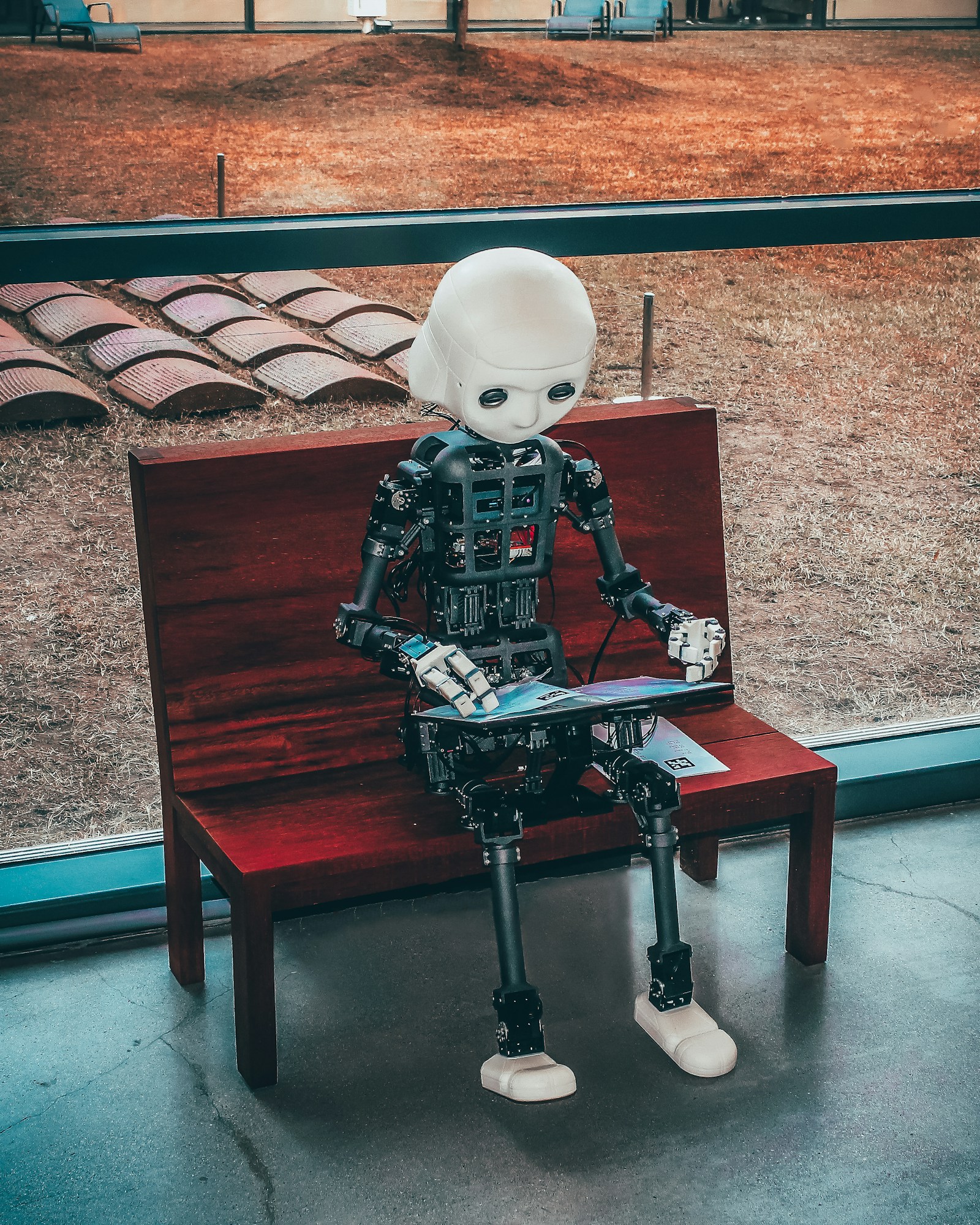
Serious musicians need a third path: the ability to understand the tools, understand the risks, and develop workflows that protect authorship and voice.
Why This Program Exists
The field is being reshaped quickly, but the conversation is often polarized: either utopian marketing or fear-driven rejection.
Informed agency means understanding the tools, understanding the risks, and developing workflows that protect authorship and voice — while remaining competitive in speed, collaboration, and production reality.
This program helps artists and institutions adopt what helps, refuse what harms, and explain their choices with confidence.
What You Learn
We prioritize decision-making. Participants learn to frame a musical problem, test approaches, document results, and communicate tool use responsibly.
Responsible Practice
Ethics is a core skill, not an afterthought. This section is intentionally prominent.
We do not support workflows designed to impersonate, plagiarize, or bypass rights. Participants are expected to practice clear attribution habits and to represent their work honestly.
"The goal is not to avoid technology. The goal is to use it without losing yourself."
Program Format
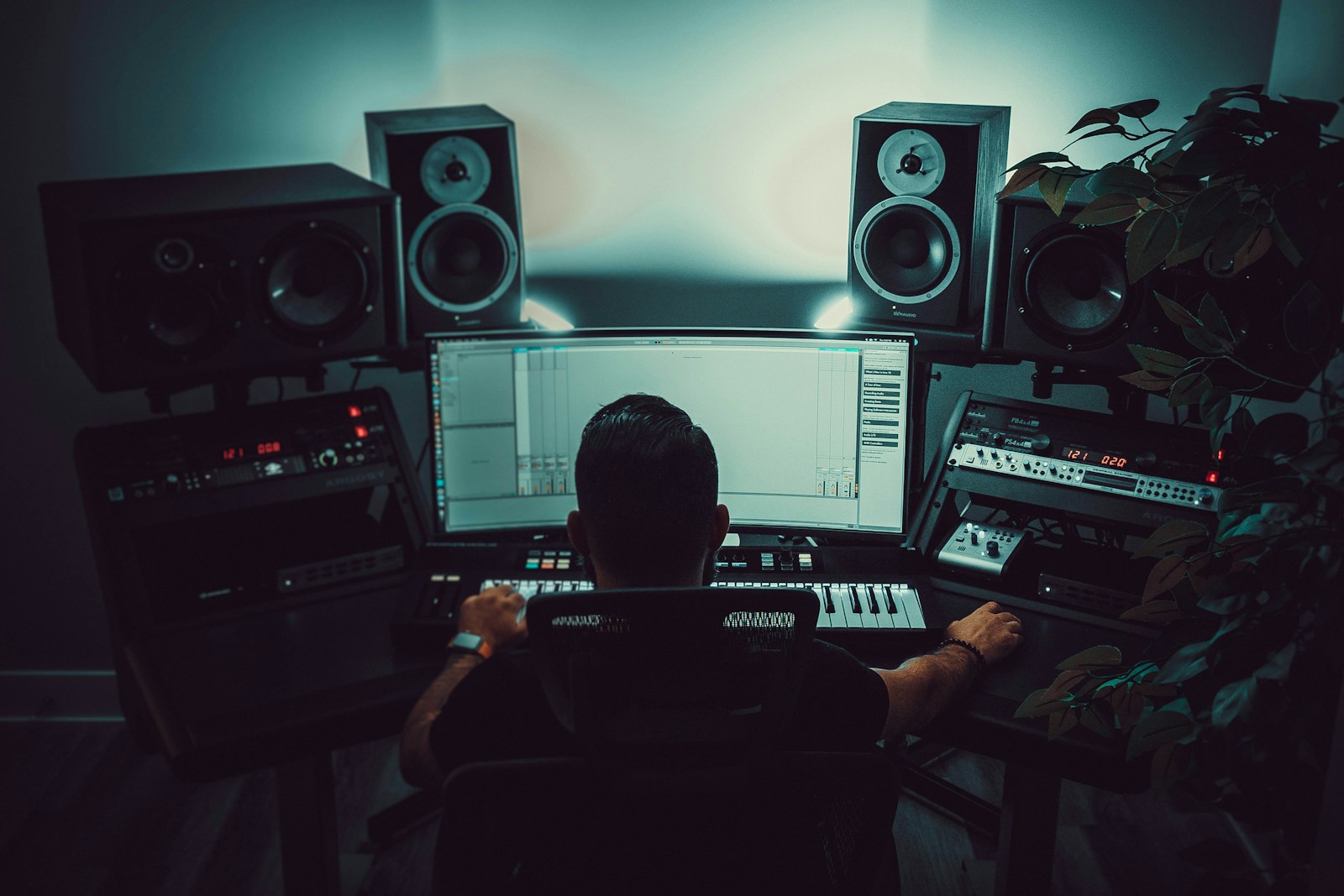
NextGen Music & AI is a seminar + lab studio with conservatory-level critique standards. Every cycle balances plain-language concepts with hands-on experimentation and professional documentation.
- Concept Seminars — Technical literacy explained in musician language
- Hands-On Labs — Guided workflow experiments and controlled testing
- Critique Sessions — Evaluate intent, craft, results, and ethical framing
- Mentor Feedback — Structured checkpoints on your workflow and artifacts
What Completion Means
You leave with artifacts, not just ideas.
Workflow Dossier
Your documented system: steps, tools, templates, evaluation checklist, disclosure language
Portfolio Artifact
A policy deliverable or creative work that demonstrates your standards and approach
Authorship Statement
Clear disclosure of tool use — transparent, professional, repeatable
What You Leave With
Participants leave with literacy and a usable system — not vague inspiration.
Examples of Program Projects
Projects vary by cohort, but examples of responsible outcomes include:
Who This Is For
This program is designed for musicians who want agency in the future — not passengers in someone else's toolchain.
Tools & Requirements
You do not need to be a programmer to benefit. You do need curiosity, responsibility, and a willingness to document your process.
Tools vary by cohort depending on project focus. When a cohort opens, we publish tool expectations and suggested setups.
Topics We Explore
Exact topics vary by cohort focus.
Frequently Asked Questions
Do I need to code?
No. Curiosity and responsibility matter more than programming.
Is this training about replacing musicians?
No. It is about agency, literacy, and ethics in a changing field.
Will you teach me to imitate other artists?
No. We do not support impersonation or plagiarism workflows.
Do you cover legal issues?
We cover professional awareness and risk; we do not provide legal advice.
What if I disagree with certain tools?
Skepticism is welcome; the goal is informed decision-making.

Faculty & Mentorship
Mentors include Conservatory faculty and invited practitioners working at the intersection of music, technology, education, and ethics.
Explore the Faculty Directory →
How to Begin
Join the Interest List for early access to launch announcements, curriculum outlines, and workshop invitations.
Join the Interest List →
Join the Interest List
Receive launch announcements, curriculum outlines, and early workshop invitations.