Intelligent Accompaniment
Work with AI systems that follow your tempo, respond to your dynamics, and adapt to your musical choices in real time as a true collaborative partner.

NextGen Music & AI — Live Performance with AI
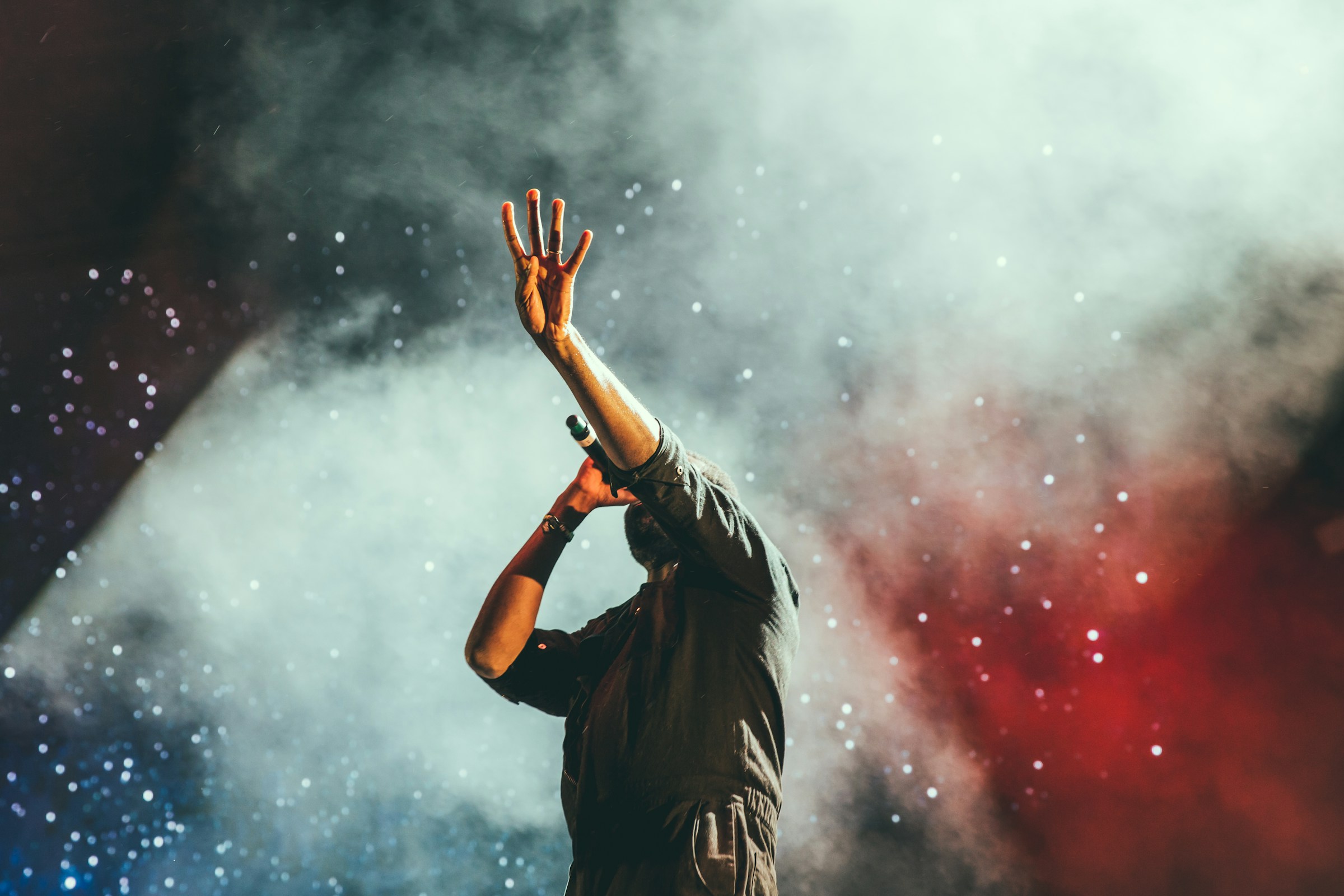
Integrate AI systems into live performance — from intelligent accompaniment and reactive visuals to adaptive sound processing and real-time improvisation partners.
Live performance demands something studio production doesn't: real-time responsiveness. AI tools designed for the stage must react instantly, adapt to the unexpected, and enhance rather than complicate the performance experience.
This course explores how to integrate AI systems into live contexts — whether you're a solo performer wanting intelligent accompaniment, a band seeking reactive visuals, or an electronic artist building adaptive sound environments.
The goal: Make AI a reliable, responsive creative partner on stage, not a liability.
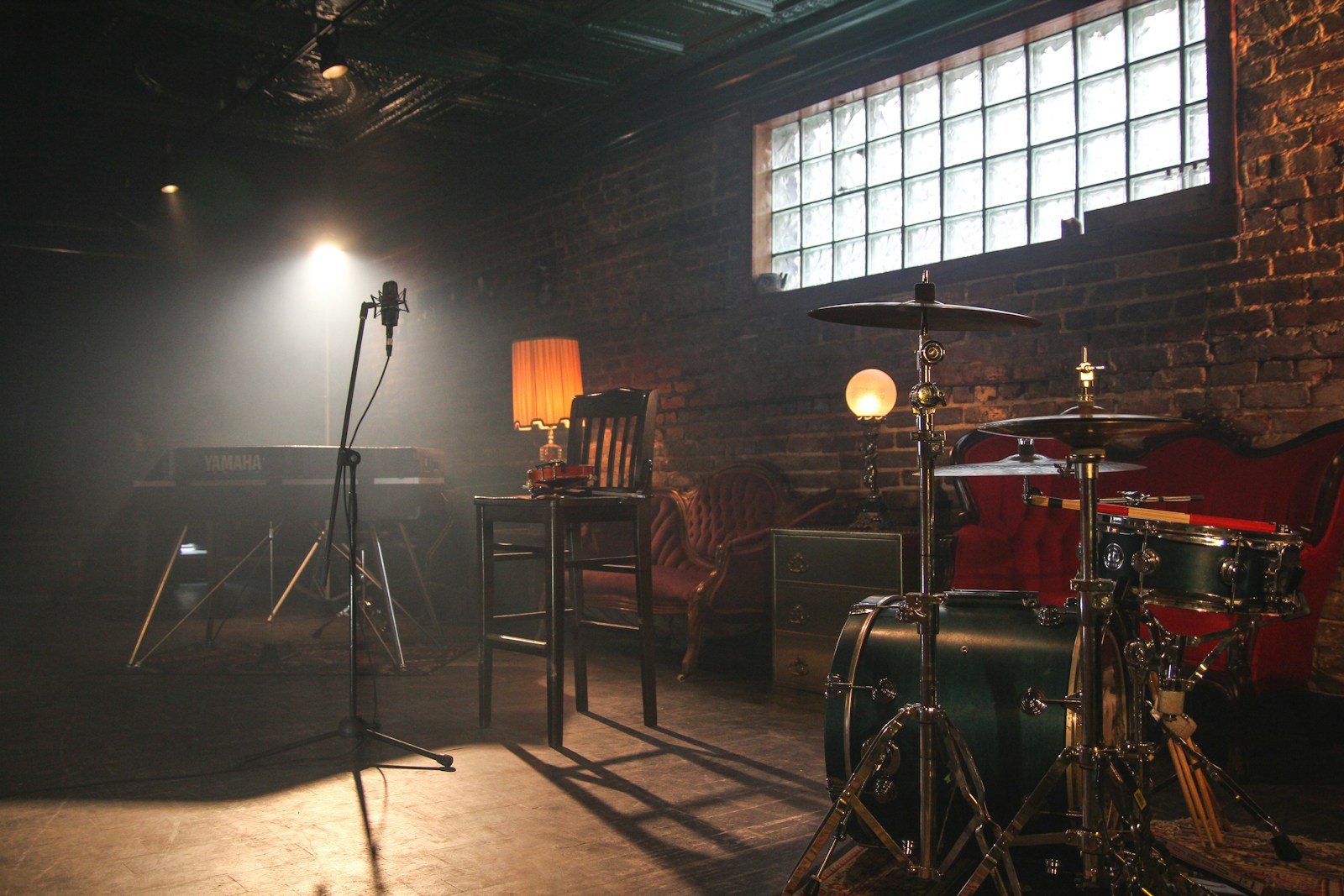
Skills for integrating AI into real-time performance environments.
Work with AI systems that follow your tempo, respond to your dynamics, and adapt to your musical choices in real time as a true collaborative partner.
Create AI-driven visual systems that respond to audio input — from abstract generated imagery to controlled projections that enhance your performance.
Build sound environments that evolve based on performance parameters — AI-controlled effects, generative textures, and responsive processing.
Master low-latency AI tools: understanding system requirements, optimization strategies, and failsafe design for reliable live deployment.
Develop AI systems that improvise musically — responding to what you play, generating complementary material, and engaging in genuine musical dialogue.
Build robust performance systems that handle the unexpected: graceful degradation, backup modes, and recovery strategies when technology fails.
A systematic approach to developing reliable live AI performance systems.
Define what you want AI to do in your performance. Map inputs, outputs, and behaviors. Start with clear creative goals.
Build a working system in controlled conditions. Test responsiveness, latency, and behavior. Iterate until it feels musical.
Practice with the AI system extensively. Build intuition for its responses. Develop your performance relationship with the technology.
Take the stage with confidence. Use your rehearsed intuitions. Have backup plans ready. Trust your preparation.
In live performance, the AI must serve the music and the moment. If it demands attention, it's doing the wrong job.
Real-time AI tools and integration environments for live performance.
Stage conditions are unforgiving. Latency that's acceptable in the studio becomes disorienting live. Hardware that works reliably at home may crash under stage conditions. Complexity that seems manageable becomes overwhelming under performance pressure.
We take these realities seriously: teaching robust system design, stress-testing methods, and the performer's mindset needed to work with technology under pressure.
For musical responsiveness, you need under 20ms latency. Many AI systems can't achieve this. Understanding what's possible shapes what you should attempt live.
The most reliable live AI systems are often the simplest. Complex chains multiply failure points. Start minimal and add complexity only when needed.
Real-world applications you'll develop and perform with.
Perform a piece for solo instrument plus AI accompanist. Train the system on your material, rehearse together, and present in live performance.
Create an AI-driven visual system that responds to live audio. Configure real-time generation parameters and perform with integrated visuals.
Build an intelligent effects processing system that adapts to what you're playing — automatic parameter modulation based on audio analysis.
Develop an AI that improvises musically with you. Define its personality, train its responses, and perform genuine real-time musical dialogue.
Create an evolving ambient environment that responds to performer input or audience parameters. Design systems that feel alive and unpredictable.
Design and document a complete live AI system with full backup plans, failover modes, and recovery procedures. Stress-test under simulated failures.
Solo performers wanting intelligent accompaniment and expanded sonic possibilities
Electronic artists seeking real-time generative and responsive elements
VJs and visual artists integrating AI-generated imagery with live music
Improvisers exploring human-machine musical dialogue
Technical directors designing AI systems for theater, dance, or installation
It depends on what you're doing. Some AI tools run on modest laptops; others require powerful GPUs. We help you assess requirements for your specific goals and design within realistic constraints.
Both. We start from fundamentals and build up. Technical students go deeper; less technical students learn enough to work effectively. Performance ability matters more than programming background.
They can be, with proper design. We focus heavily on reliability: testing methods, backup systems, and graceful degradation. Professional deployment requires professional preparation.
Prior experience helps but isn't required. We introduce these environments in the course. Students with existing skills can build more complex systems; beginners learn fundamentals.
Yes. The course culminates in a live performance using your developed AI systems. This ensures your work is truly stage-ready and gives you real experience performing with AI.
Join the Interest List for Live Performance with AI. Be notified when enrollment opens and receive previews of live AI performance techniques and technologies.
Live Performance with AI — Coming 2028–2029
Take the first step toward your performing arts education with The Global Conservatory.
For Institutions Bring TGC programs to your students — explore partnership tiers ›