Streaming Analytics
Read and interpret data from Spotify, Apple Music, and other platforms. Understand what metrics matter, what they indicate, and how to spot meaningful patterns.

NextGen Music & AI — Data-Driven Music Curation & A&R
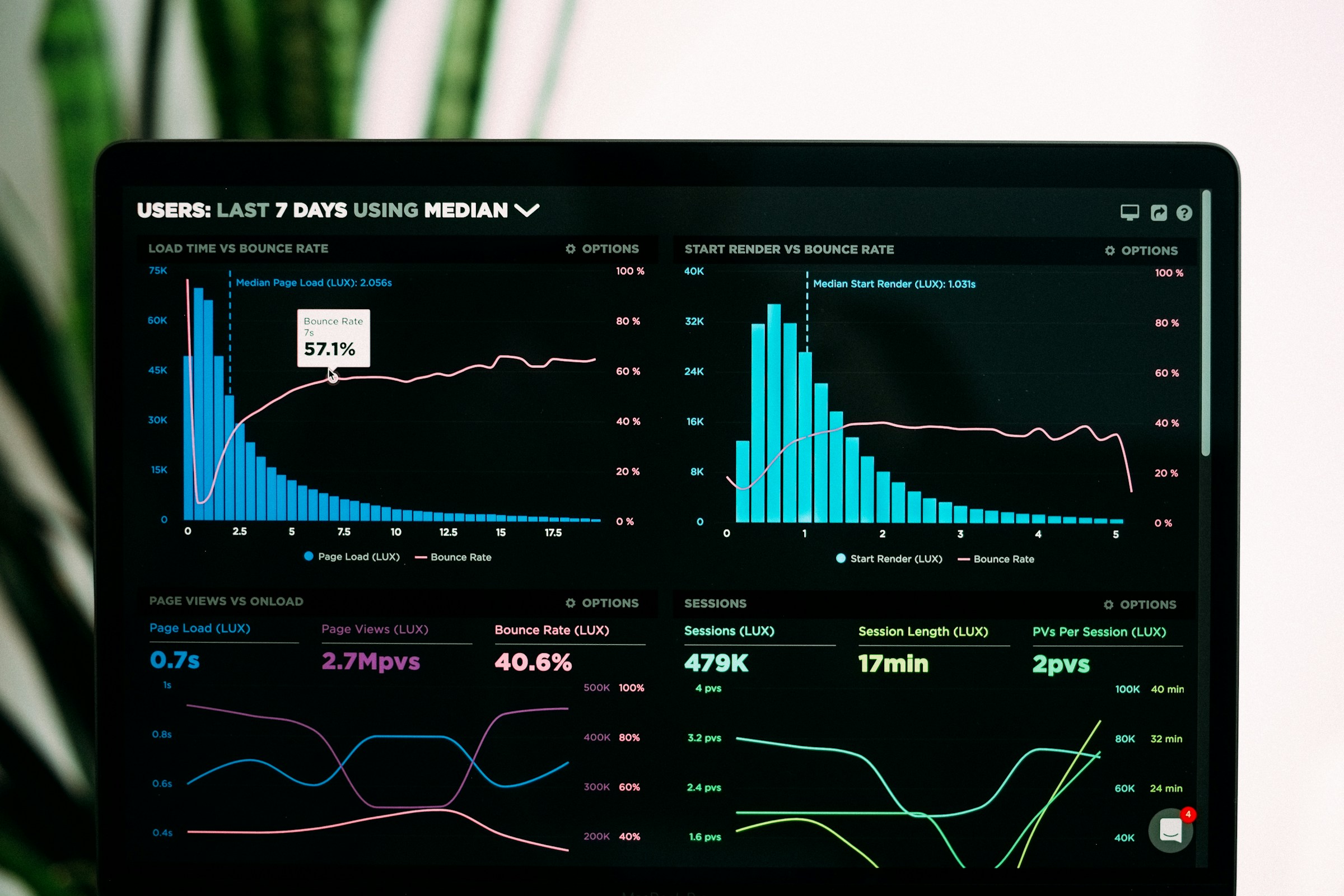
Leverage streaming analytics, social signals, and AI pattern recognition to discover talent, curate playlists, and make informed decisions in artist development.
The music industry generates vast amounts of data — streaming numbers, social engagement, playlist placements, geographic trends. Understanding this data is now essential for anyone working in A&R, curation, or artist development.
This course teaches you to read, interpret, and act on music industry data. You'll learn to spot emerging talent before the masses, build playlists that grow audiences, and make A&R recommendations grounded in evidence rather than just gut instinct.
The goal: Data literacy that enhances (not replaces) your musical taste and industry judgment.
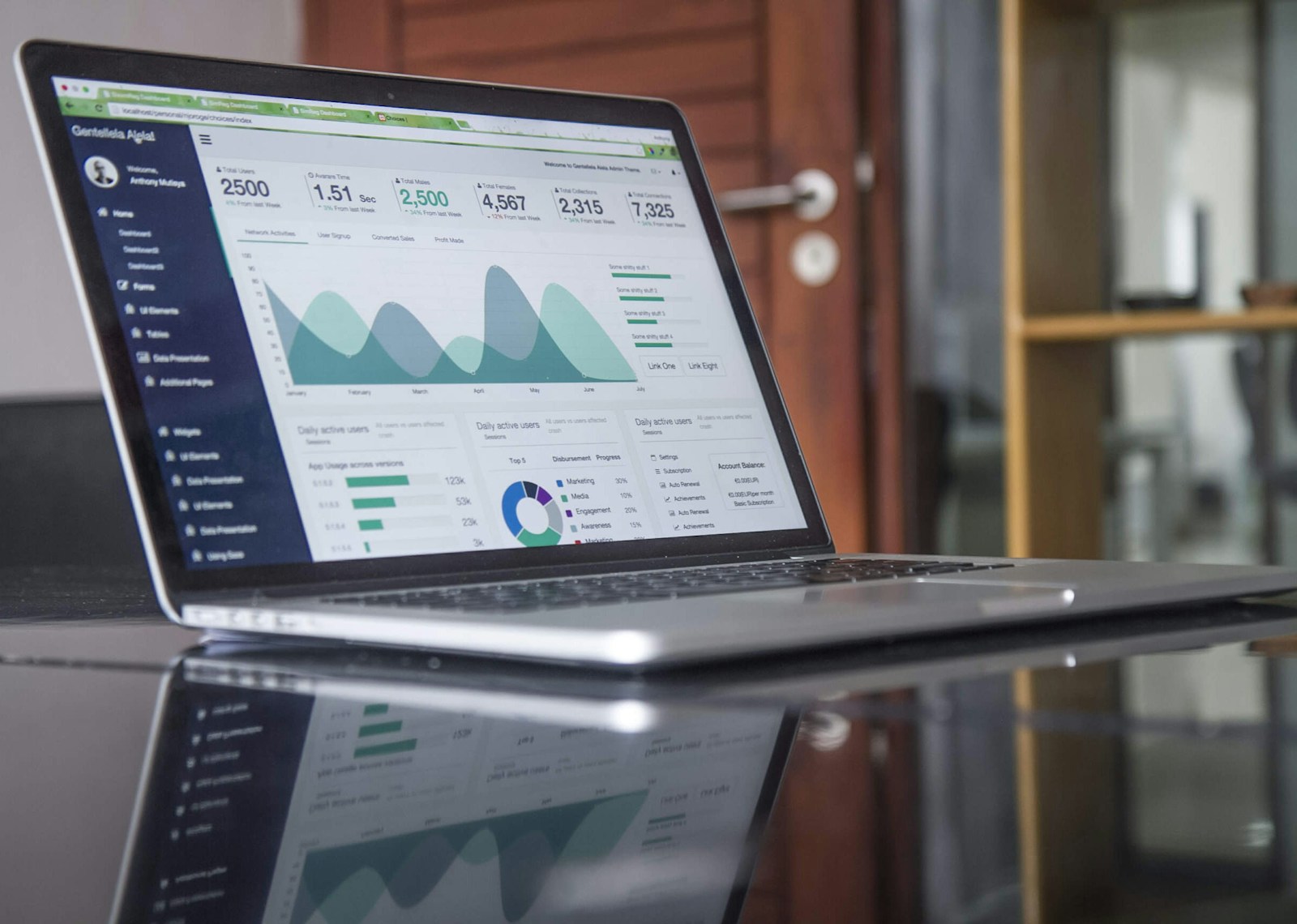
Data skills tailored specifically for music industry applications.
Read and interpret data from Spotify, Apple Music, and other platforms. Understand what metrics matter, what they indicate, and how to spot meaningful patterns.
Use data tools to identify emerging artists before they break. Learn which signals predict future success and how to separate noise from meaningful indicators.
Build and grow playlists using data insights. Understand listener behavior, optimize track sequencing, and measure performance against meaningful benchmarks.
Profile and understand listener demographics, geographic distribution, and behavioral patterns. Use these insights to guide marketing and release strategies.
Identify genre movements, sonic trends, and market shifts before they peak. Use AI tools that analyze catalog patterns and predict future demand.
Create compelling data-backed artist reports. Translate numbers into narratives that support signing decisions, development priorities, and release planning.
A systematic approach to finding and evaluating talent.
Define what you're looking for: genre, stage of career, geographic focus, audience size. Clear parameters make data search efficient.
Use tools to identify candidates matching your criteria. Let data do the initial sifting through thousands of artists to surface promising leads.
Analyze shortlisted artists in detail. Examine trajectory, engagement patterns, audience quality, and growth sustainability.
Data informs, ears decide. Evaluate the music itself, bringing together quantitative signals and qualitative judgment.
Data doesn't have taste. You do. Use data to find more music worth tasting.
Industry-standard analytics platforms and data sources you'll learn to use.
Data tools are powerful, but they come with responsibilities. Gaming metrics, manipulating streaming numbers, and prioritizing data over artistic merit can harm the industry and individual artists.
We teach ethical approaches: understanding data's limitations, avoiding manipulation, respecting artist privacy, and keeping human judgment central to decisions that affect people's careers.
Streaming numbers don't measure artistic value. They measure streaming numbers. Understanding what data can and cannot tell you is fundamental to using it well.
Data should inform decisions, not make them. A&R is ultimately about believing in artists and music. Data helps you find more to believe in — it doesn't replace belief.
Practical applications that demonstrate data-driven music industry skills.
Identify and profile an unsigned artist showing breakout potential. Compile data evidence, analyze trajectory, and present findings as an A&R recommendation.
Design and implement a data-informed playlist curation strategy. Track follower growth, engagement metrics, and skip rates to optimize selection.
Analyze a specific genre or geographic market. Map key players, identify underserved niches, and recommend positioning for a hypothetical label or artist.
Identify an emerging sonic or cultural trend before mainstream recognition. Document data signals, provide supporting evidence, and project future trajectory.
Profile the audience for a specific artist or catalog. Analyze demographics, behaviors, and preferences to inform touring, marketing, and A&R decisions.
Compare streaming performance and audience metrics for similar artists. Identify what distinguishes successful acts and where opportunities exist.
A&R professionals wanting to enhance discovery with data insights
Playlist curators looking to grow audiences systematically
Artist managers seeking market intelligence for their roster
Music business students building industry-relevant skills
Independent artists wanting to understand their own data better
No. The skills apply to independent curators, managers, marketers, and even artists managing their own careers. Anyone making decisions about music selection, promotion, or artist development can benefit from data literacy.
The course uses a mix of free tools and paid platforms. We provide trial access to key platforms for coursework. After the course, some tools require subscriptions, but we also teach you to extract value from free sources.
No. Data helps you find more music faster, but the evaluation still requires human ears and industry judgment. Think of it as expanding your discovery reach, not replacing your taste or intuition.
Streaming is one data source among many. We also cover social media signals, sync and licensing trends, touring data, audience demographics, and emerging platforms. A complete picture requires multiple data types.
No. We teach data literacy for music professionals, not data science. You'll learn to read, interpret, and act on data using purpose-built industry tools — no programming or advanced math required.
Join the Interest List for Data-Driven Music Curation & A&R. Be notified when enrollment opens and receive curriculum previews that show how data enhances music discovery.
Data-Driven Music Curation & A&R — Coming 2028–2029
Take the first step toward your performing arts education with The Global Conservatory.
For Institutions Bring TGC programs to your students — explore partnership tiers ›