Python Fundamentals
Variables, data types, functions, loops, conditionals — the building blocks of all programming. Learn through music examples rather than abstract exercises.

NextGen Music & AI — Coding for Musicians: Python + AI
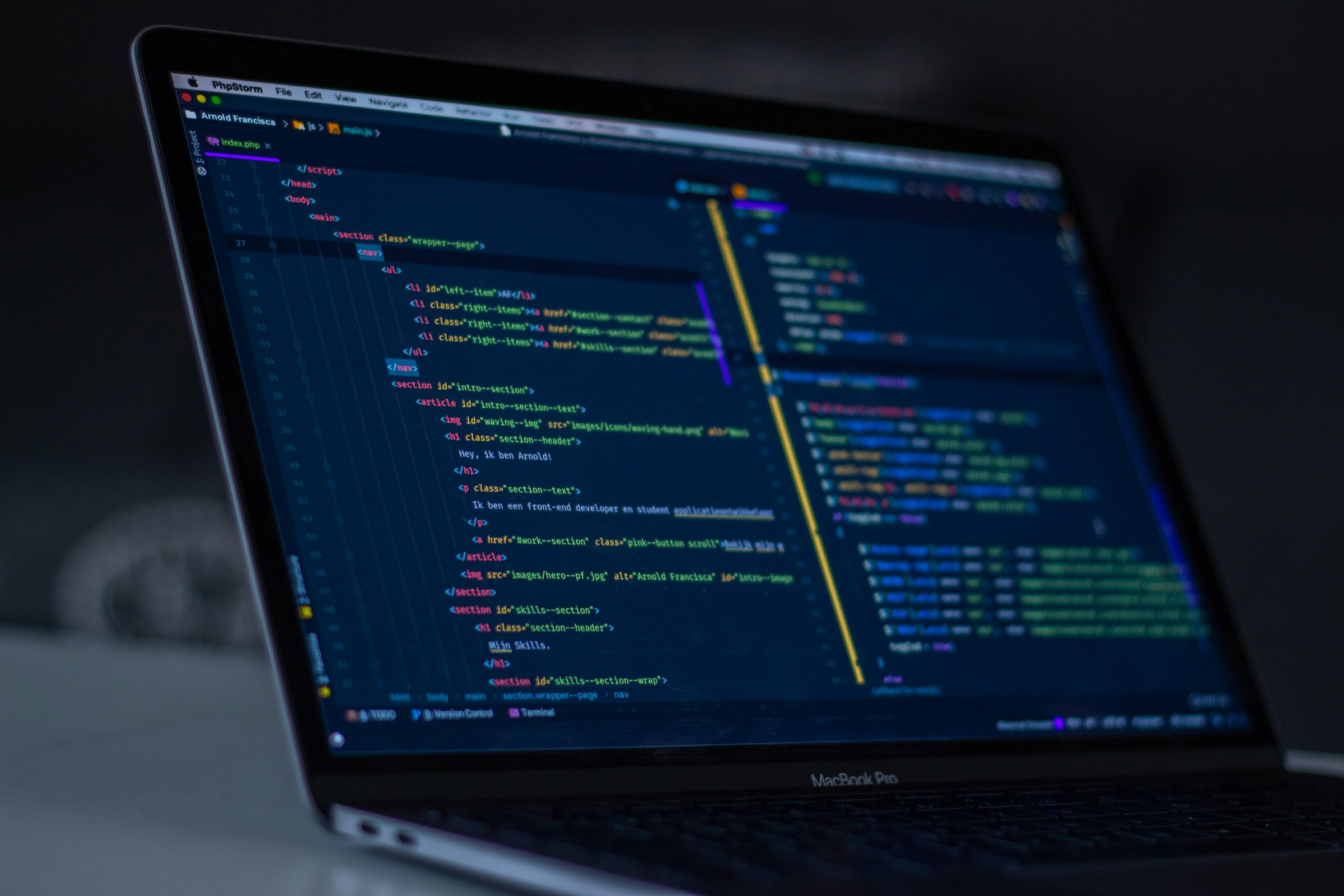
Learn Python programming through music applications — build tools that solve real problems in your creative practice while gaining literacy in the language of AI.
Python is one of the most accessible programming languages — and the foundation for nearly all modern AI tools. For musicians, learning Python opens doors to creating custom tools, automating workflows, and deeply understanding AI technologies.
This course teaches Python fundamentals through music-focused projects. Instead of abstract exercises, you'll build tools you actually need: MIDI processors, audio analyzers, practice schedulers, and simple AI applications.
The goal: Programming literacy that empowers your music practice, not computer science for its own sake.
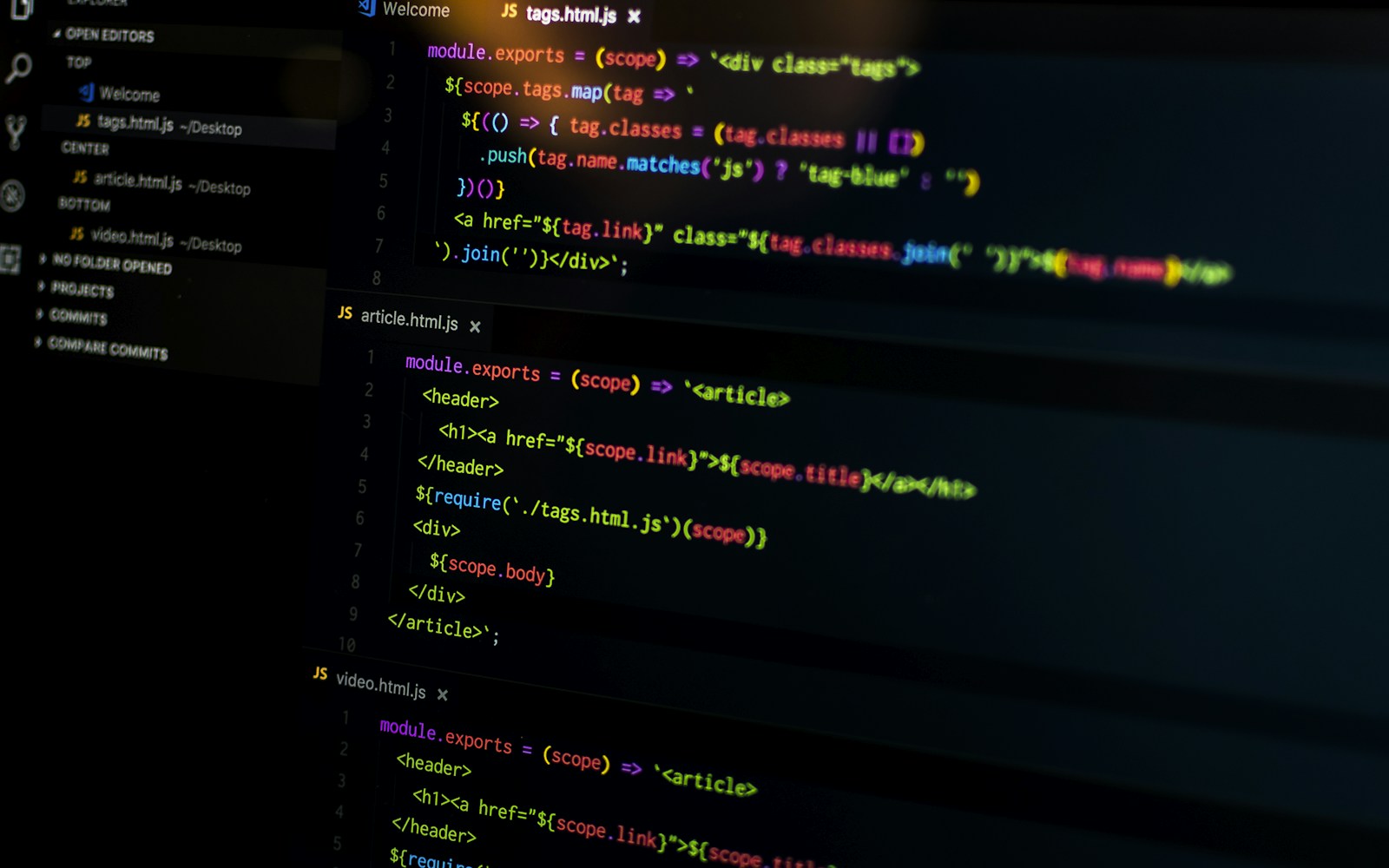
Python fundamentals taught through practical music applications.
Variables, data types, functions, loops, conditionals — the building blocks of all programming. Learn through music examples rather than abstract exercises.
Read, manipulate, and generate MIDI files. Create tools that transpose, quantize, analyze, and transform musical data programmatically.
Work with audio files using Python libraries. Analyze frequency content, extract features, visualize waveforms, and understand how AI "hears" sound.
Build tools that automate repetitive tasks: file organization, metadata management, practice logging, and custom workflows tailored to your needs.
Connect Python to AI services. Make API calls, process responses, and build simple applications that leverage external AI capabilities.
Set up and use professional tools: code editors, Jupyter notebooks, version control, and package management. Build sustainable programming practices.
Each module teaches concepts through hands-on projects you'll actually use.
Start with a real problem in your music practice. Tools you'll actually use are more engaging than abstract exercises.
Understand the programming concepts needed for that specific project. Context makes learning stick better than theory alone.
Write code, run it, fix errors, improve. The debugging process teaches as much as getting things right the first time.
Adapt tools to your specific needs. Modify projects to solve variations of the original problem. Make the code truly yours.
The best way to learn programming is to build something you actually want to use.
Music-focused Python libraries that extend what you can build.
You can use AI music tools without knowing how to code. But coding literacy changes your relationship with technology — from consumer to creator.
When you understand programming, you can customize tools, automate workflows, build things that don't exist yet, and understand AI well enough to use it more effectively.
Programming literacy means you're not limited to what others have built. When existing tools don't fit your needs, you can modify them or build your own.
Python is the language of AI. Learning it demystifies how these tools work, helping you use them more effectively and think more critically about their capabilities.
Practical tools developed throughout the course.
Build a tool that reads MIDI files, transposes all notes by a specified interval, and saves the result. Learn file I/O and data manipulation.
Create spectrograms and waveform visualizations from audio files. Understand how computers represent sound and how AI "sees" audio.
Build a command-line tool that tracks your practice sessions, generates reports, and visualizes your progress over time with charts.
Create a tool that generates scale patterns in any key, outputs them as MIDI files, and can display them as notation or tablature.
Build a script that organizes audio files by metadata, renames them consistently, and detects duplicates. Automate tedious file management.
Connect Python to an AI service API. Build a simple tool that analyzes music descriptions or generates creative prompts for your work.
Musicians with no coding experience who want to understand and customize AI tools
Composers and producers looking to automate workflows and build custom tools
Music educators wanting to create teaching tools and understand educational technology
Music researchers who need to process data but lack programming background
Anyone curious about the technical foundations of AI music tools
No. The course starts from zero. If you've never written a line of code, you'll be in good company. We teach fundamentals through music examples, making concepts concrete and relevant.
No. We use basic arithmetic and some music theory concepts, but no advanced math. Understanding how to think logically is more important than mathematical sophistication for the projects we build.
Any reasonably modern computer running Windows, macOS, or Linux. Python runs on all platforms. We provide setup guides for each operating system, and cloud-based options are available if needed.
This course teaches fundamentals and practical tools for personal use. Building professional software requires more advanced study. But you'll have a solid foundation to build on and know where to go next.
Plan for 6-8 hours per week: watching lessons, working through examples, and building projects. Programming requires practice, and regular shorter sessions work better than occasional long ones.
Join the Interest List for Coding for Musicians: Python + AI. Be notified when enrollment opens and receive curriculum previews that introduce programming concepts through music.
Coding for Musicians: Python + AI — Coming 2028–2029
Take the first step toward your performing arts education with The Global Conservatory.
For Institutions Bring TGC programs to your students — explore partnership tiers ›