
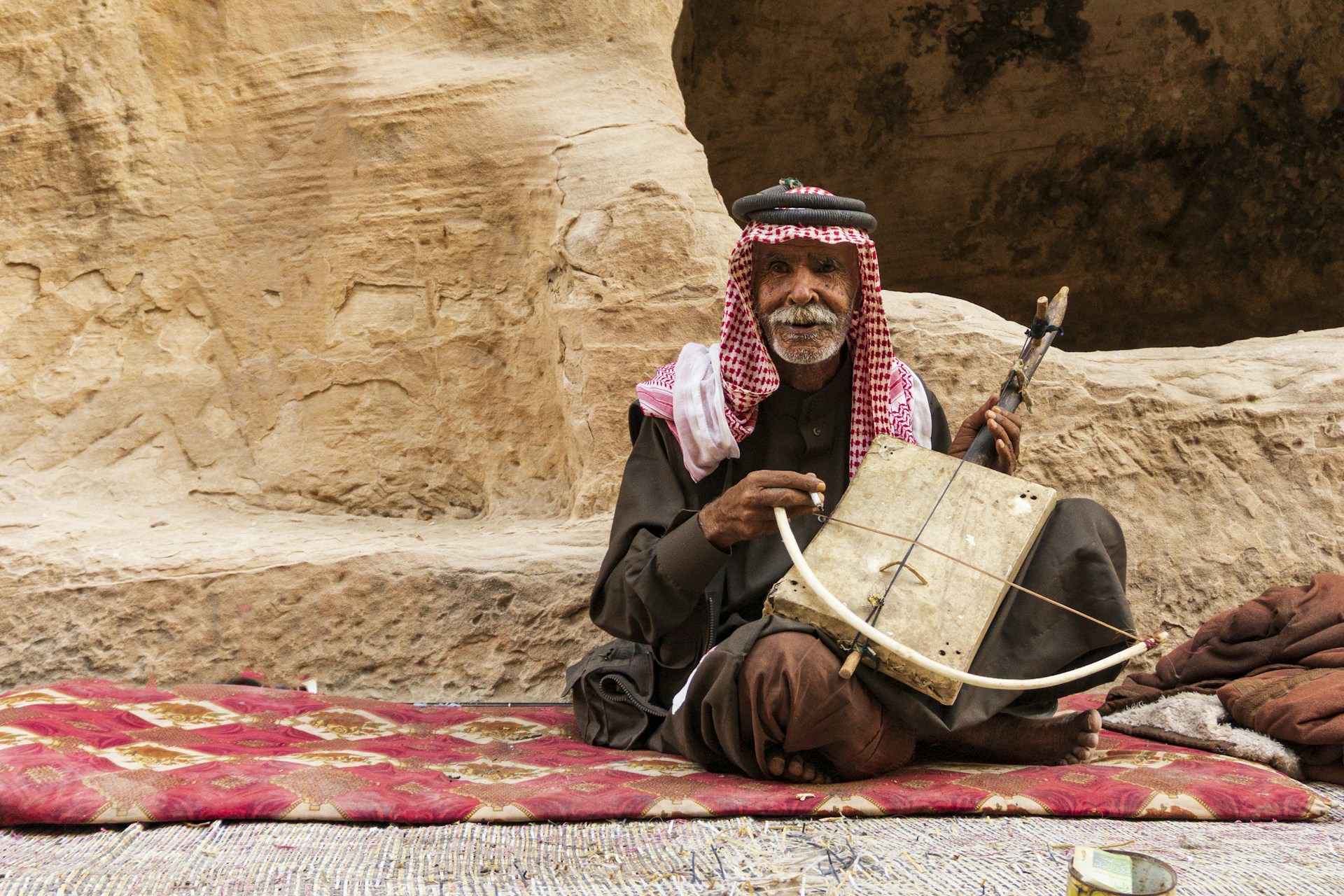
Middle EasternMusic
World Music Track · Intermediate Program
Enter the luminous world of maqam, oud, and ney — where quarter-tone melodies, intricate rhythmic cycles, and the ecstatic concept of tarab unite Arabic, Turkish, and Persian musical traditions into one of the world's most expressive art forms.
The Certificate in Middle Eastern Music at The Global Conservatory is an immersive study of the Arabic maqam system, Turkish makam, and Persian dastgah — three of the world's most intricate and expressive melodic traditions. You will study maqam (modal framework), iqa' (rhythmic cycle), and the oral transmission practices that have sustained these traditions for over a thousand years. This is not a superficial survey. It is a rigorous, practice-based journey into music that demands acute melodic sensitivity and deep cultural understanding.
You will learn through practice, listening, and immersion — the way Middle Eastern music has always been transmitted. Guided by accomplished performers and scholars rooted in Arabic, Turkish, and Persian traditions, you will develop the ability to navigate quarter-tone intervals, internalize maqam pathways, master complex rhythmic patterns, and understand the concept of tarab — the ecstatic musical experience that defines great Middle Eastern performance.
Our Approach
Middle Eastern music is not mere entertainment — it is tarab, an ecstatic communion between performer and listener. Each maqam carries a specific emotional color, a mood, a spiritual weight. We teach this music the way it has been transmitted for centuries: through deep listening, patient memorization, and surrender to the melodic path.
Western conservatories often reduce Middle Eastern music to exotic scales and unfamiliar intervals. This program honors the complete system — the grammar of maqam, the architecture of iqa', the relationship between composed melody and improvised taqasim, and the aesthetic philosophy that gives every quarter-tone its meaning. You will not merely study these traditions. You will inhabit them.
Focus Areas
Three Core Disciplines
Every module builds toward deep understanding of Middle Eastern music across three interconnected practice areas.
Maqam & Modal Systems
Study the grammar and aesthetics of maqam across Arabic, Turkish, and Persian traditions. Learn to identify, internalize, and perform maqamat through their characteristic intervals, modulations, and quarter-tone ornamentations.
Iqa' & Rhythmic Patterns
Master the rhythmic framework of Middle Eastern music through darbuka, riq, and frame drum techniques. Learn to navigate complex rhythmic cycles from 2 to 10+ beats including maqsum, saidi, masmoudi, and aksak patterns.
Taqasim & Improvisation
Develop the art of taqasim (unmetered modal improvisation), layali (vocal improvisation), and mawwal (narrative vocal form). Understand the wasla concert format, the dialogue between soloist and ensemble, and the journey toward tarab.
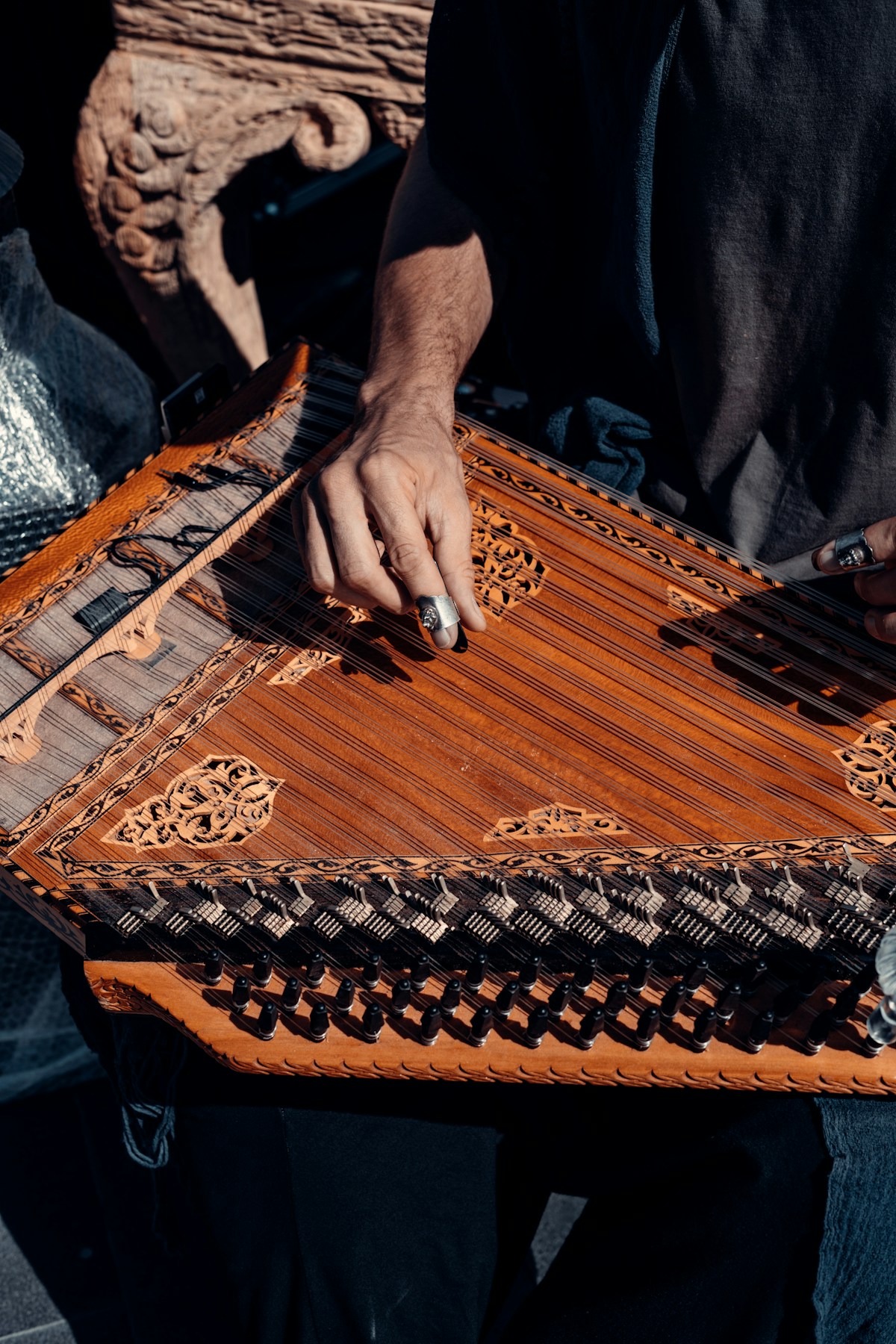
Core Framework
The Maqam System
Maqam is not merely a scale — it is a living melodic pathway with specific intervals (including quarter-tones), characteristic phrases (sayr), dominant tones, and a distinct emotional atmosphere. You will learn to internalize maqamat through systematic practice, deep listening, and guided taqasim improvisation.
Each maqam carries emotional weight and cultural associations shaped by centuries of practice. Understanding these associations is not decorative knowledge — it is essential to authentic performance. You will study the aesthetic philosophy of tarab that connects melodic structure to the ecstatic experience of deep musical communion.
- Maqam structure: ajnas (tetrachords), sayr (melodic pathway), ghammaz (pivot notes)
- Arabic maqamat: Rast, Bayati, Saba, Hijaz, Nahawand, Sikah, Kurd
- Turkish makamlar: Huseyni, Segah, Hicaz, Saba, Nihavent
- Quarter-tones, microtonal intervals, and ornamental techniques (tahrir, vibrato)
Rhythmic Mastery
Iqa' & Rhythmic Cycles
Iqa' is the rhythmic backbone of Middle Eastern music — not a simple time signature but a cyclical pattern with characteristic combinations of dum (bass) and tek (treble) strokes. Mastering iqa' means developing an internal pulse that can navigate cycles from the driving maqsum (4/4) to the expansive masmoudi kabir (8/4) and the asymmetric aksak patterns of Turkish and Balkan music.
You will study darbuka, riq (tambourine), and frame drum technique, learn the spoken syllable systems (dum-tek notation) that encode rhythmic patterns, and develop the ability to engage in sophisticated rhythmic dialogue between soloist and percussionist that is central to Middle Eastern classical performance.
- Darbuka technique: dum, tek, ka strokes and advanced finger rolls
- Riq (tambourine) and frame drum traditions across the region
- Core rhythms: maqsum, saidi, masmoudi, malfuf, wahda, chiftetelli, aksak
- Rhythmic dialogue between soloist, percussionist, and ensemble
Inspired By Masters
The Masters Who Defined Middle Eastern Music
These towering figures elevated Middle Eastern music to global prominence while preserving its ancient integrity. Their artistry, innovation, and devotion are woven into every module of this certificate.
"Music is the language of the soul — it speaks what words cannot."— Umm Kulthum
Umm Kulthum
Vocal / Arabic
Star of the East, defined the golden age of Arabic music and tarab
Fairuz
Vocal / Lebanese
Voice of Lebanon, fused classical Arabic song with modern orchestration
Marcel Khalife
Oud / Lebanese
Virtuoso oud player, bridged classical Arabic music with poetry and activism
Anoushka Shankar
Sitar / Cross-Cultural
Grammy-nominated artist bridging Indian and Middle Eastern traditions
Jordi Savall
Viola da Gamba / Early Music
Champion of Mediterranean musical dialogue between East and West
Simon Shaheen
Oud & Violin / Palestinian
Master oud and violin virtuoso, champion of Arabic classical tradition
Kayhan Kalhor
Kamancheh / Persian
Premier kamancheh player, pioneer of Persian and cross-cultural collaboration
Rabih Abou-Khalil
Oud / Lebanese-German
Boundary-crossing oud master, fused Arabic music with jazz and classical
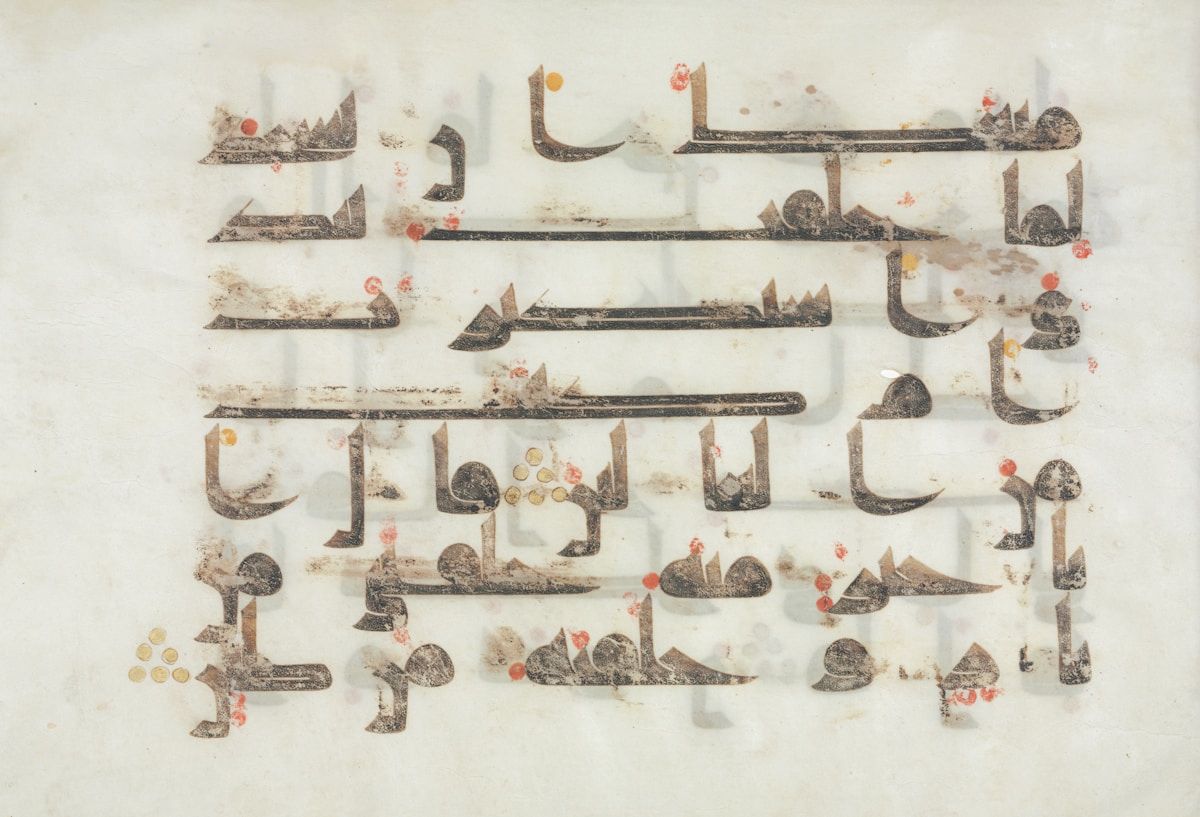
Instruments & Practice
Sacred Instruments: Oud, Ney & Beyond
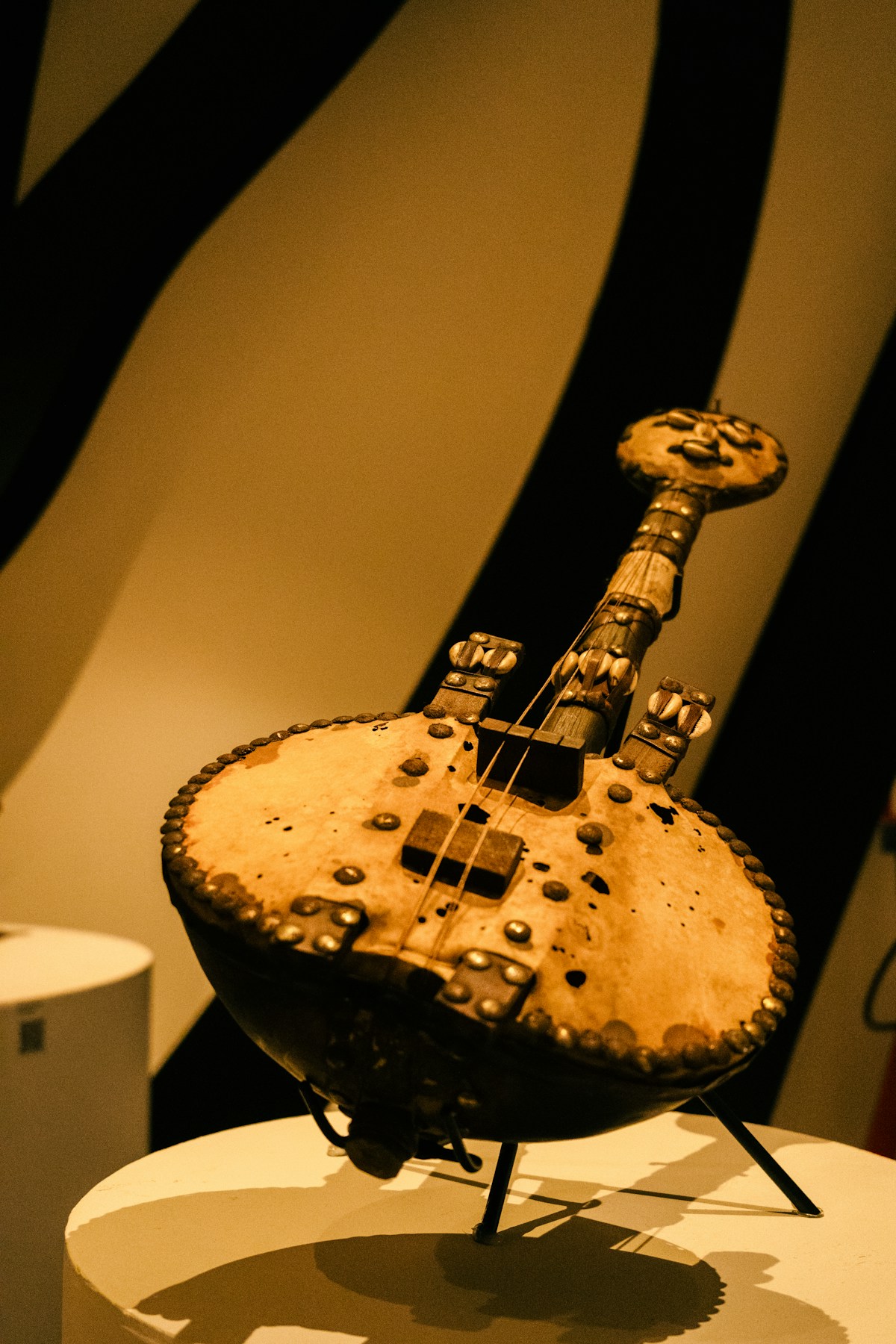
Middle Eastern music has produced some of the world's most expressive instruments. The oud, ney, qanun, kamancheh, buzuq, and darbuka each carry centuries of technique and repertoire. You will study the unique voice of each instrument, its role in the classical ensemble (takht), and the regional traditions that have shaped its evolution across Arabic, Turkish, and Persian cultures.
From the warm, velvety depth of the oud to the breathy, spiritual cry of the ney, each instrument embodies a distinct approach to maqam expression. You will explore how instrument-specific techniques shape the interpretation of maqamat and how the master-apprentice tradition ensures each generation adds to the living repertoire.
- Oud: the fretless lute at the heart of Arabic, Turkish, and Persian music
- Ney: the ancient end-blown flute with spiritual significance in Sufi tradition
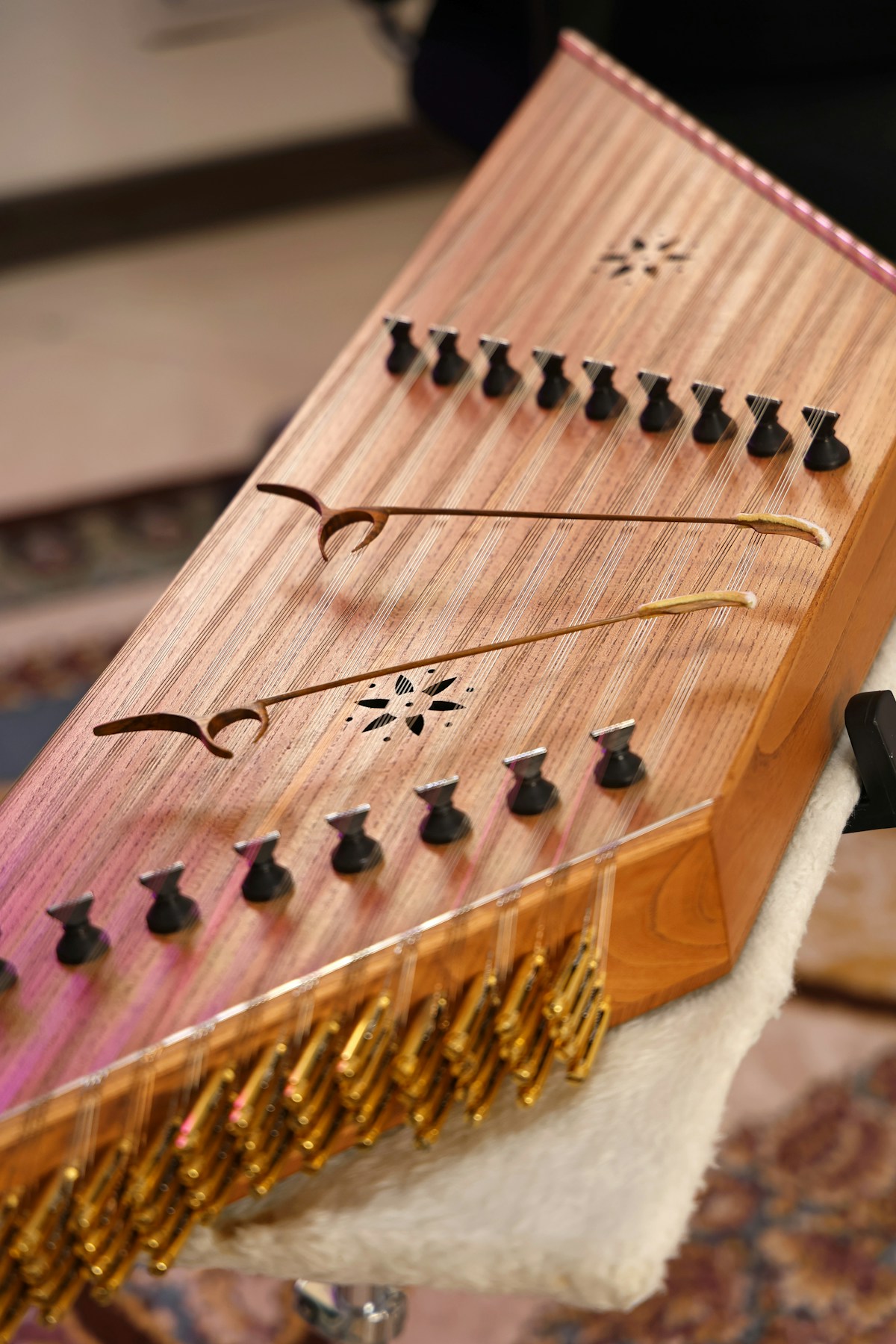
- Qanun: the plucked zither with micro-tonal levers for precise maqam tuning
- Kamancheh, rebab, and the bowed string traditions of the Middle East
Global Influence
Middle Eastern Music's Global Resonance
Middle Eastern music has profoundly influenced global music — from the Moorish origins of flamenco and the Ottoman influence on Balkan brass, to contemporary electronic music's embrace of Arabic scales and rhythms. This module maps those connections and explores how Middle Eastern musical concepts continue to reshape global sound.
You will study how Middle Eastern musical ideas have traveled through jazz, electronica, hip-hop, and world fusion genres. You will also explore how contemporary Middle Eastern artists are innovating within and beyond the classical tradition, creating new forms that honor ancient roots while speaking to modern audiences.
- Moorish influence on flamenco and Mediterranean musical traditions
- Middle Eastern influence on jazz: Anouar Brahem, Rabih Abou-Khalil, Dhafer Youssef
- Arabic pop and film music as vehicles for classical maqam traditions
- Contemporary Middle Eastern fusion: electronica, hip-hop, and global collaborations
Full Curriculum
What You'll Learn
Six intensive modules covering the depth and breadth of Middle Eastern music — from foundational maqam theory to advanced taqasim improvisation.
Foundations of Maqam
- Ajnas (tetrachords), sayr (melodic pathways), and quarter-tones
- Maqam families: Rast, Bayati, Sikah, Hijaz, Nahawand, Kurd, Saba
- Arabic maqam vs Turkish makam vs Persian dastgah systems
- Emotional associations and modal ethos across traditions
Iqa' & Rhythmic Systems
- Arabic rhythms: maqsum, saidi, masmoudi sagir, masmoudi kabir
- Turkish rhythms: duyek, aksak, karsilama, Roman havasi
- Darbuka technique: dum, tek, ka, finger rolls, and advanced patterns
- Riq and frame drum techniques across regional traditions
Arabic Classical Tradition
- Taqasim: unmetered maqam improvisation and exploration
- Muwashshah: Andalusian-origin composed vocal forms
- Layali and mawwal: vocal improvisation and narrative forms
- The wasla: classical Arabic suite structure and performance
Turkish & Persian Traditions
- Turkish makam: fasil suite structure and classical repertoire
- Persian dastgah and radif: the memorized canonical repertoire
- Sufi music: the sema ceremony and mystical musical traditions
- Ottoman classical music and its influence across the region
Instruments & Ensemble
- Oud technique: right-hand plectrum, left-hand ornaments, tuning systems
- Ney: embouchure, breath control, and spiritual expression
- Qanun: plucking technique, micro-tonal lever adjustment
- Takht ensemble: the classical chamber group and its conventions
Global Influence & Fusion
- Middle Eastern influence on flamenco, Balkan, and Mediterranean music
- Jazz-maqam explorations: Anouar Brahem to Dhafer Youssef
- Arabic pop, film music, and contemporary adaptations
- Capstone: taqasim performance and analytical portfolio
"A maqam is not a scale. It is a pathway — a journey through intervals that leads to tarab, the ecstasy of music."
— TGC FacultyYour Final Deliverable
Capstone Taqasim Performance
Your capstone is a comprehensive demonstration of Middle Eastern music understanding. You will prepare a full taqasim performance in a chosen maqam, a comparative analysis of Arabic, Turkish, and Persian approaches to a shared modal family, a research paper on a chosen tradition or master musician, and a creative project that explores Middle Eastern music in contemporary context.
- Full taqasim performance: maqam exploration and development (video documented)
- Comparative analysis: one modal family across Arabic, Turkish, and Persian traditions
- Research paper on a regional tradition, instrument, or master musician
- Creative project: maqam in contemporary or cross-cultural context
- Peer and faculty review presentation with Q&A
Certificate & Badges Awarded
Certificate of Completion
Middle Eastern Music — The Global Conservatory
Digital badges in:
Your 6 Months
The Program Experience
A structured journey from foundational maqam theory to advanced taqasim improvisation across four progressive phases.
Maqam & Iqa' Foundations
Learn ajnas, basic maqamat, and foundational rhythmic patterns. Develop listening skills for quarter-tones and begin vocal or instrumental practice. Months 1–2.
Arabic Tradition Deep Dive
Study taqasim, muwashshah, layali, and the wasla concert format. Learn darbuka technique, Arabic maqam families, and classical repertoire. Months 2–3.
Turkish & Persian Deep Dive
Study Turkish makam and fasil structure, Persian dastgah and radif, Sufi musical traditions, and Ottoman classical repertoire. Months 4–5.
Capstone & Recital
Prepare your full taqasim performance, comparative analysis, and research paper. Present to faculty and peers. Month 6.
Student Voices
What Graduates Say
Real feedback from musicians who completed the Middle Eastern Music certificate.
"I had studied oud for years on my own, but this program gave me the theoretical foundation I was missing. Understanding maqam pathways and quarter-tone intervals transformed my taqasim improvisation completely."
"As a jazz saxophonist, learning maqam systems gave me an entirely new vocabulary for improvisation. The quarter-tone ear training alone was worth the entire program."
"The depth of knowledge from the faculty was extraordinary. Every session felt like sitting with a master oud player — patient, demanding, and completely devoted to the tradition."
Questions
Frequently Asked Questions
Apply Now
Request Information
Ready to begin your journey into Middle Eastern music? Complete this form and our admissions team will connect with you to discuss the program, assess fit, and answer your questions.
Discover the Maqam. Begin the Journey.
Middle Eastern music is one of humanity's greatest artistic achievements — a system of infinite depth and beauty. Join The Global Conservatory's Middle Eastern Music certificate and enter a tradition that has inspired seekers for millennia.
Ready to Begin Your Journey?
Take the first step toward your performing arts education with The Global Conservatory.
For Institutions Bring TGC programs to your students — explore partnership tiers ›