
World MusicDivision
Global Traditions · Living Heritage
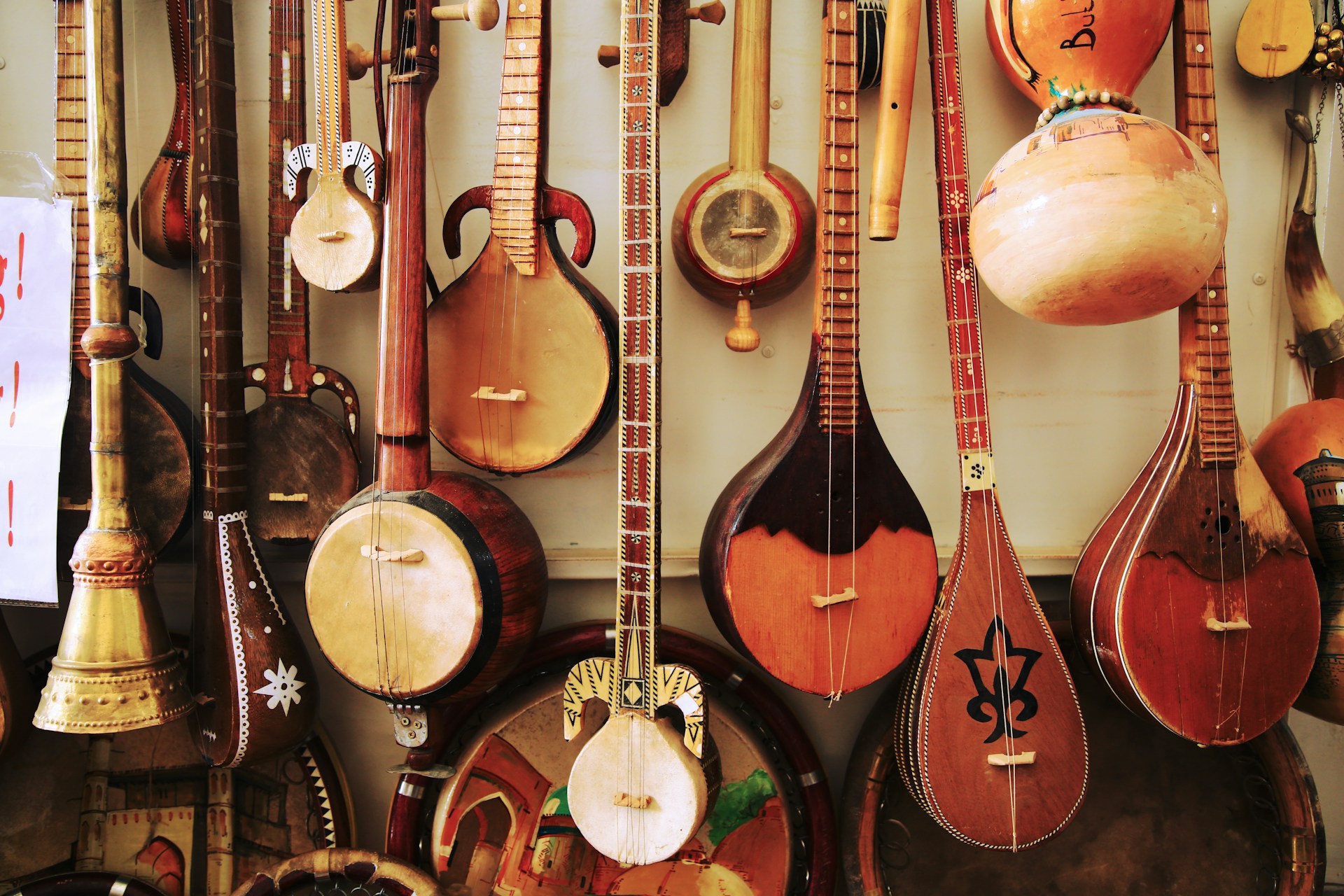
Explore, study, and master the great musical traditions of the world — from West African drumming to Indian raga to Latin American rhythms.
The Global Conservatory World Music Division is a living bridge between the classical concert hall and the rich musical traditions of Africa, Asia, Latin America, the Middle East, and beyond. Our programs offer deep, authentic study of world music traditions taught by master musicians who are bearers of these living cultural heritages.
Whether you seek to master a specific tradition, integrate world music elements into your Western practice, or build an ethnomusicological foundation, the Division offers rigorous programs that honor the depth, complexity, and cultural context of every tradition we teach. All programs combine performance practice with cultural understanding, ensuring graduates are not just players but ambassadors.
Our Vision
Music does not belong to one culture. It belongs to all of humanity. Every tradition — from West African polyrhythm to Hindustani raga to Cuban son — represents centuries of genius, refinement, and deep human expression.
The World Music Division treats every tradition with the same rigor and reverence that Western conservatories have traditionally reserved for European classical music. We believe that musical education is incomplete without global perspective.
Our Traditions
Six Great Musical Worlds
The Division offers programs across six major world music traditions, each taught by master musicians and cultural bearers. Click through to explore individual program pages.
African Music Traditions
West African drumming (djembe, dundun), East African vocal traditions, highlife, Afrobeat, and the rhythmic foundations that shaped global popular music.
South Asian Classical Music
Hindustani and Carnatic traditions, raga and tala systems, sitar, tabla, vocal performance, and the philosophical foundations of Indian musical thought.
Latin American & Caribbean
Afro-Cuban percussion, Brazilian samba and bossa nova, flamenco, tango, mariachi, and the syncretic traditions of the Americas.
Core Philosophy
Authenticity & Cultural Context
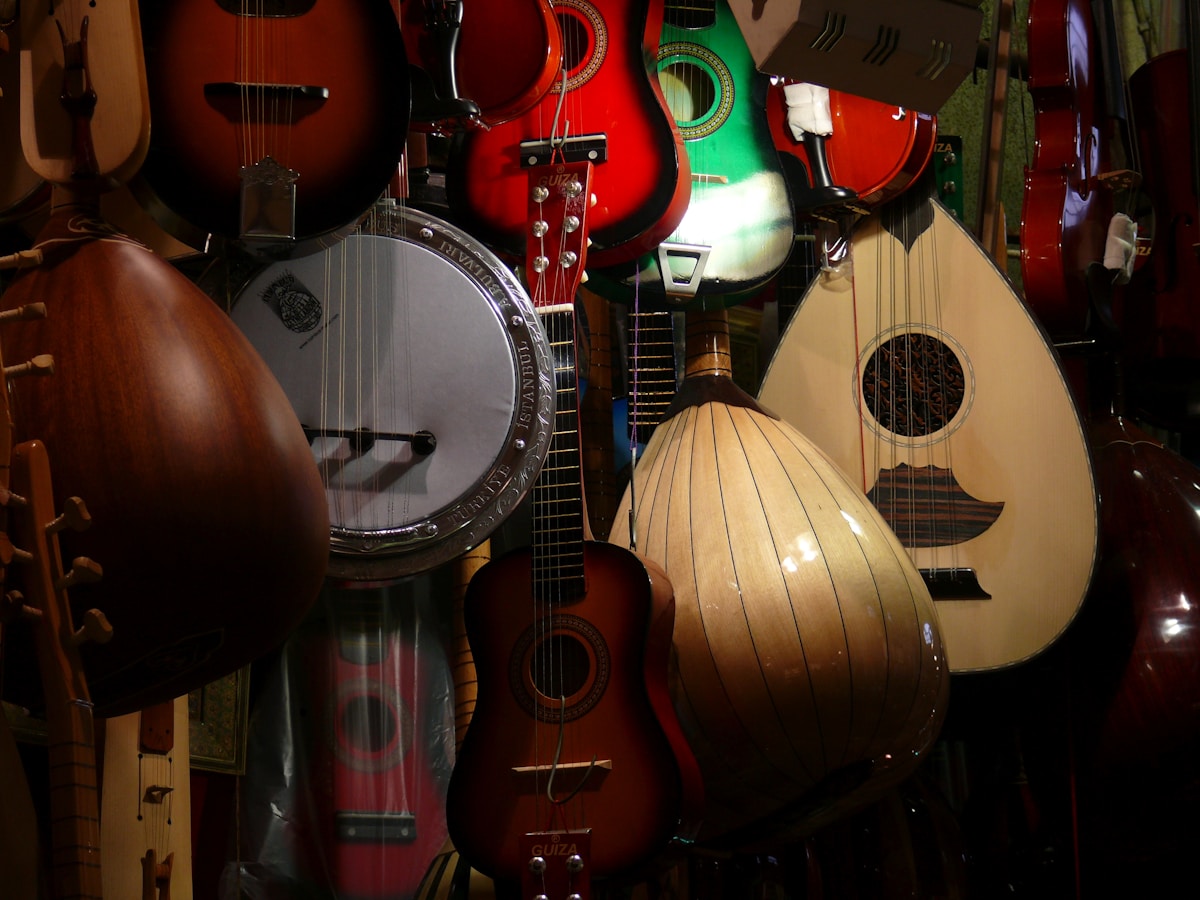
Every program in the World Music Division is designed in partnership with cultural bearers and community leaders. We do not teach world music as exotic curiosity. We teach it as living art with deep historical roots, cultural significance, and ongoing evolution.
- Programs designed with cultural community input
- Master musicians as primary instructors
- Cultural context alongside performance practice
- Ethical engagement with traditional knowledge
Applied Learning
Performance & Ensemble Practice
World music lives in performance. Every program includes ensemble participation, improvisation practice, and the oral tradition methodologies that are central to how these musics are transmitted. Students learn by doing, listening, and responding — the way these traditions have always been taught.
- Live ensemble sessions with master musicians
- Oral tradition and aural learning methods
- Improvisation and spontaneous composition
- Cross-cultural ensemble projects
Global Icons
Masters of World Music
The musicians who brought world music traditions to global audiences while honoring the depth and authenticity of their cultural roots.
"Music is the weapon of the future. Music is the weapon of the progressives. Music is the weapon of the givers of life."— Fela Kuti
Ravi Shankar
Hindustani / Sitar
Brought Indian classical music to the world, inspired The Beatles and beyond
Fela Kuti
Afrobeat
Created Afrobeat, fused jazz, funk, and Yoruba traditions into revolutionary art
Ali Farka Toure
Malian / Desert Blues
The bluesman of Africa, proved the blues came home to its roots
Paco de Lucia
Flamenco Guitar
Revolutionized flamenco, bridged traditional and modern worlds
Youssou N'Dour
Senegalese / Mbalax
Voice of Africa, Grammy winner, global cultural ambassador
Nusrat Fateh Ali Khan
Qawwali
Sufi devotional music transcending all borders, voice of the divine
Celia Cruz
Salsa / Cuban
Queen of Salsa, embodiment of Afro-Cuban musical joy and power
Zakir Hussain
Tabla
Greatest living tabla player, master of cross-cultural collaboration
Scholarship
Ethnomusicology & Research
Beyond performance, the Division offers coursework in ethnomusicological methods, fieldwork ethics, and cultural documentation. Students learn to engage with music traditions as scholars and advocates, not just performers.
- Ethnomusicological research methods
- Fieldwork ethics and community protocols
- Cultural documentation and archiving
- Academic writing and presentation skills
Career Paths
Careers in World Music
Graduates of the World Music Division pursue diverse careers as performers, educators, cultural programmers, festival organizers, ethnomusicologists, and consultants who bring global musical perspectives to organizations and communities worldwide.
- World music performance and touring
- Music education with global curriculum integration
- Cultural programming and festival curation
- Ethnomusicology and academic research
Program Offerings
Division Programs
Six program areas spanning the world's great musical traditions and the academic disciplines that study them.
African Drumming & Rhythm
- Djembe and dundun technique
- West African polyrhythmic systems
- Song and dance integration
- Afrobeat and highlife performance
Indian Classical Music
- Raga and tala systems
- Hindustani vocal performance
- Sitar and tabla instruction
- Carnatic music foundations
Latin & Caribbean Music
- Afro-Cuban percussion traditions
- Brazilian rhythms (samba, bossa nova)
- Flamenco guitar and compas
- Latin jazz and improvisation
Middle Eastern Music
- Maqam modal system
- Oud, ney, and percussion
- Arabic vocal traditions
- Turkish and Persian classical music
East Asian Traditions
- Japanese shakuhachi and koto
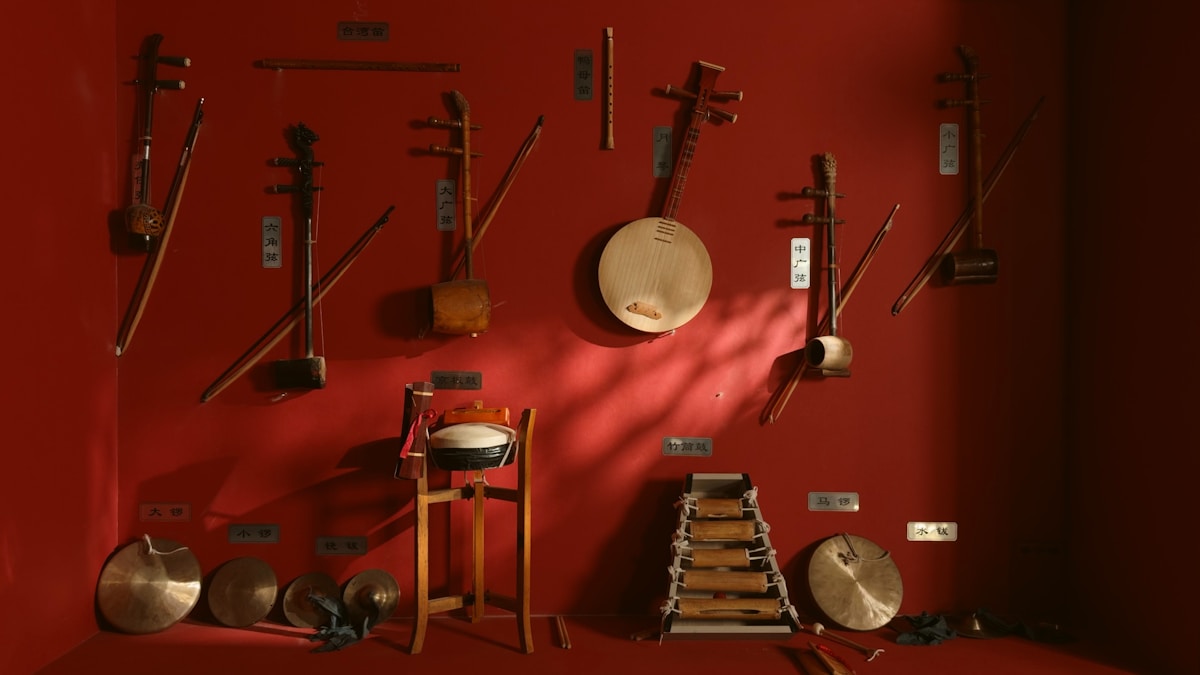
- Chinese guqin and erhu
- Korean traditional music (gugak)
- Gamelan and Southeast Asian arts
Ethnomusicology
- Research methods and fieldwork
- Cultural documentation and archiving
- Global music survey courses
- Cross-cultural analysis and writing
"When the world's musics are taught with equal respect, everyone's music grows richer."
— TGC World Music FacultyDivision Resources
Resources & Community
The World Music Division provides unique resources and community connections that enrich every student's experience.
- Master musician guest lectures and workshops
- Virtual instrument lending library for enrolled students
- Cultural exchange partnerships with institutions worldwide
- Annual World Music Festival featuring student and faculty performances
Awards & Recognition
World Music Division Graduate
World Music Division — The Global Conservatory
Special awards in:
Student Journey
Your Path Through the Division
A flexible, guided path from initial exploration to mastery and beyond.
Discover & Explore
Attend open workshops, speak with faculty, and explore traditions that resonate with your musical curiosity.
Enroll & Study
Begin your program with master musicians, attend live ensemble sessions, and immerse in cultural context.
Perform & Create
Participate in ensembles, present performances, complete capstone projects, and earn your certificate.
Connect & Contribute
Join the alumni network, attend the World Music Festival, and bring global music perspectives to your community.
Student Voices
What Graduates Say
Feedback from students who completed World Music Division programs.
"Studying West African drumming with a master from Guinea transformed my understanding of rhythm. It changed not just my drumming but my approach to all music."
"The Indian Classical Music program taught me that raga is not just a scale — it is a world of emotion, time, and spiritual connection. My jazz playing has never been the same."
"The Ethnomusicology coursework gave me the research tools to document the musical traditions of my own community. I am now doing fieldwork that I hope will preserve these traditions for future generations."
Questions
Frequently Asked Questions
Apply Now
Program Information
Interested in exploring the world's great musical traditions? Complete this form and a Division advisor will help you find the right program.
The World's Music. Your Journey.
The Global Conservatory World Music Division opens doors to the great musical traditions of humanity. Explore our programs and expand your musical universe.
Ready to Begin Your Journey?
Take the first step toward your performing arts education with The Global Conservatory.
For Institutions Bring TGC programs to your students — explore partnership tiers ›