
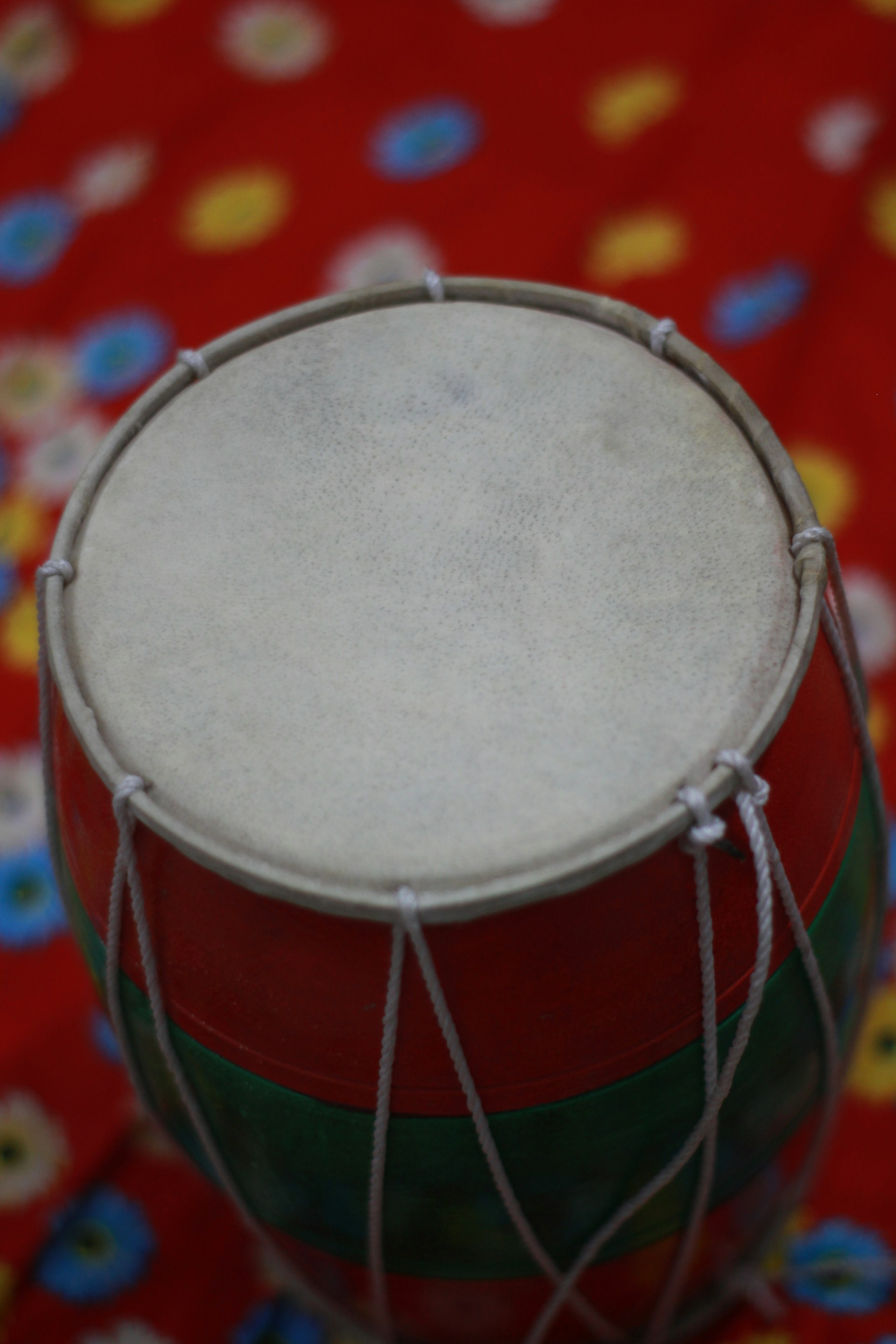
Latin MusicProgram
World Music Track · Foundation Program
Experience the passion, rhythmic complexity, and melodic beauty of Latin America's extraordinary musical traditions — from salsa and bossa nova to cumbia, tango, and Afro-Cuban jazz.
The Certificate in Latin Music at The Global Conservatory is a comprehensive exploration of Latin America's rich and diverse musical heritage — from the son montuno of Cuba to the bossa nova of Brazil, from Argentine tango to Colombian cumbia, from the brass-driven power of salsa to the sophisticated harmonies of Latin jazz. This program goes far beyond surface familiarity. It is a deep, practice-based immersion in the rhythmic patterns, harmonic languages, and cultural contexts that have made Latin music one of the most influential forces in global popular culture.
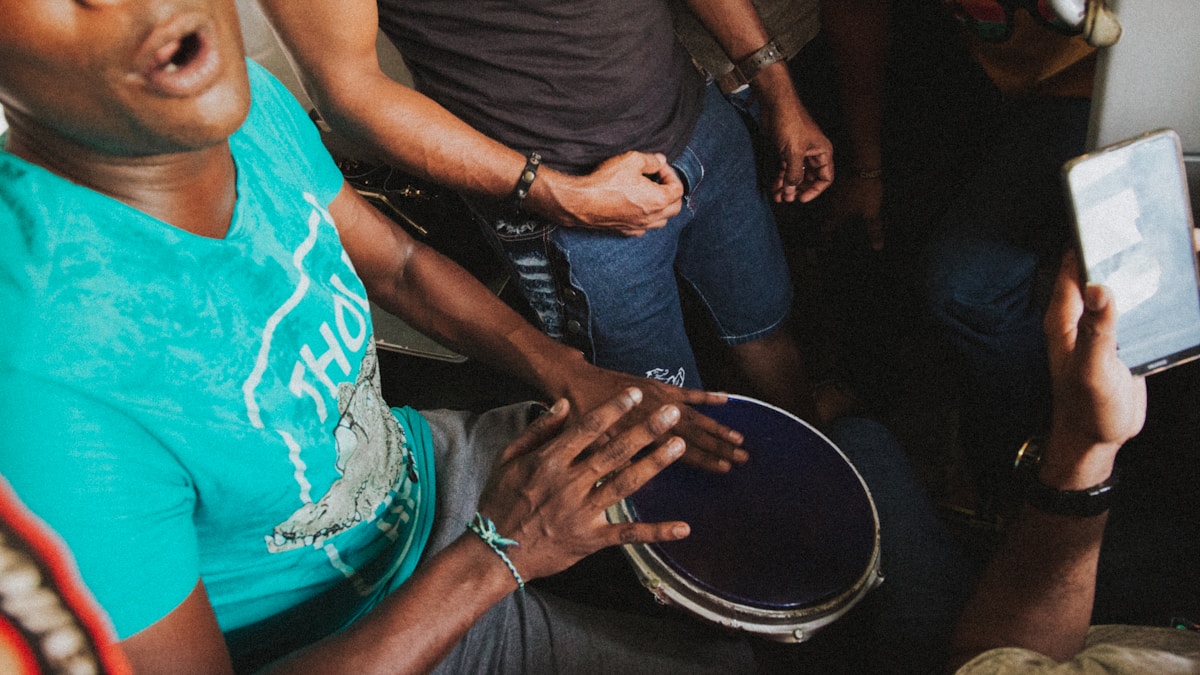
You will learn by playing, singing, and dancing — because in Latin music, the body is inseparable from the sound. Guided by master musicians, arrangers, and scholars with deep roots in Caribbean, South American, and Central American traditions, you will develop both technical command and cultural fluency across the major genres that define Latin music.
Our Approach
Latin music is born from the collision and fusion of Indigenous, African, and European traditions. It is music that moves bodies, tells stories, and carries the weight of history. We teach Latin music the way it lives — as a rhythmic conversation inseparable from dance, community, and cultural identity.
Most music programs treat Latin genres as exotic additions to a jazz or pop curriculum. This program centers Latin music on its own terms — honoring the clave as the organizing principle, understanding the role of the tumbao, montuno, and guaguanco as foundational elements, and respecting the deep African roots that pulse through every Latin rhythm.
Focus Areas
Three Core Disciplines
Every module builds toward deep understanding of Latin musical systems across three interconnected practice areas.
Afro-Latin Percussion
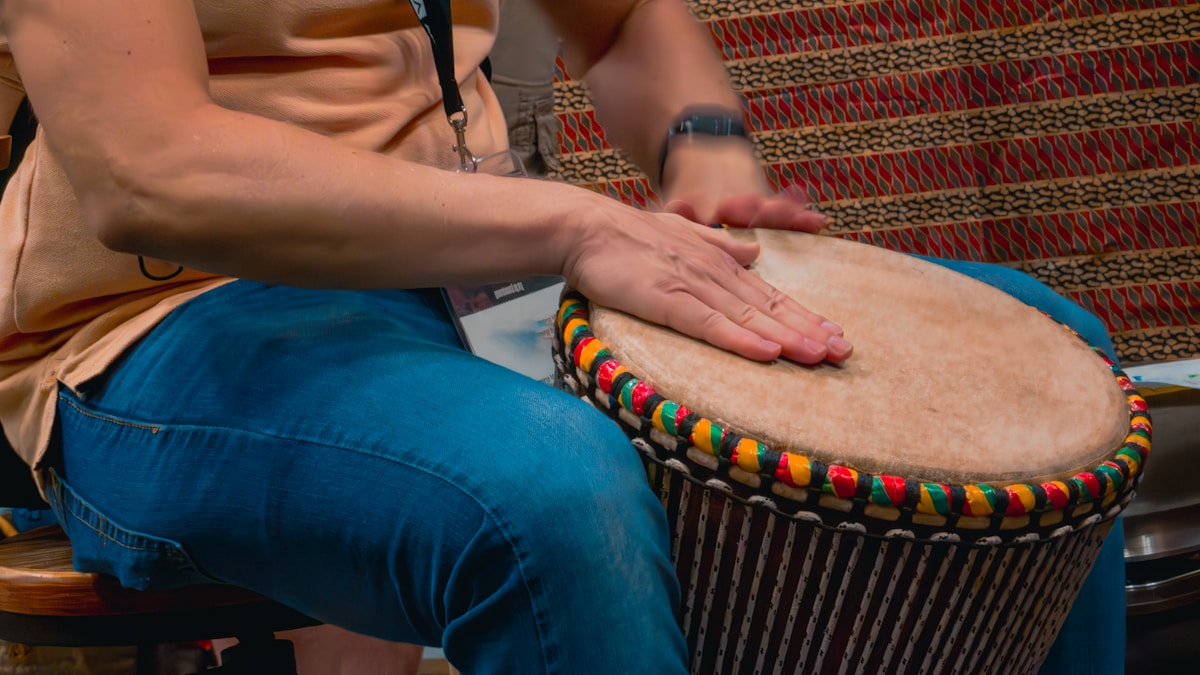
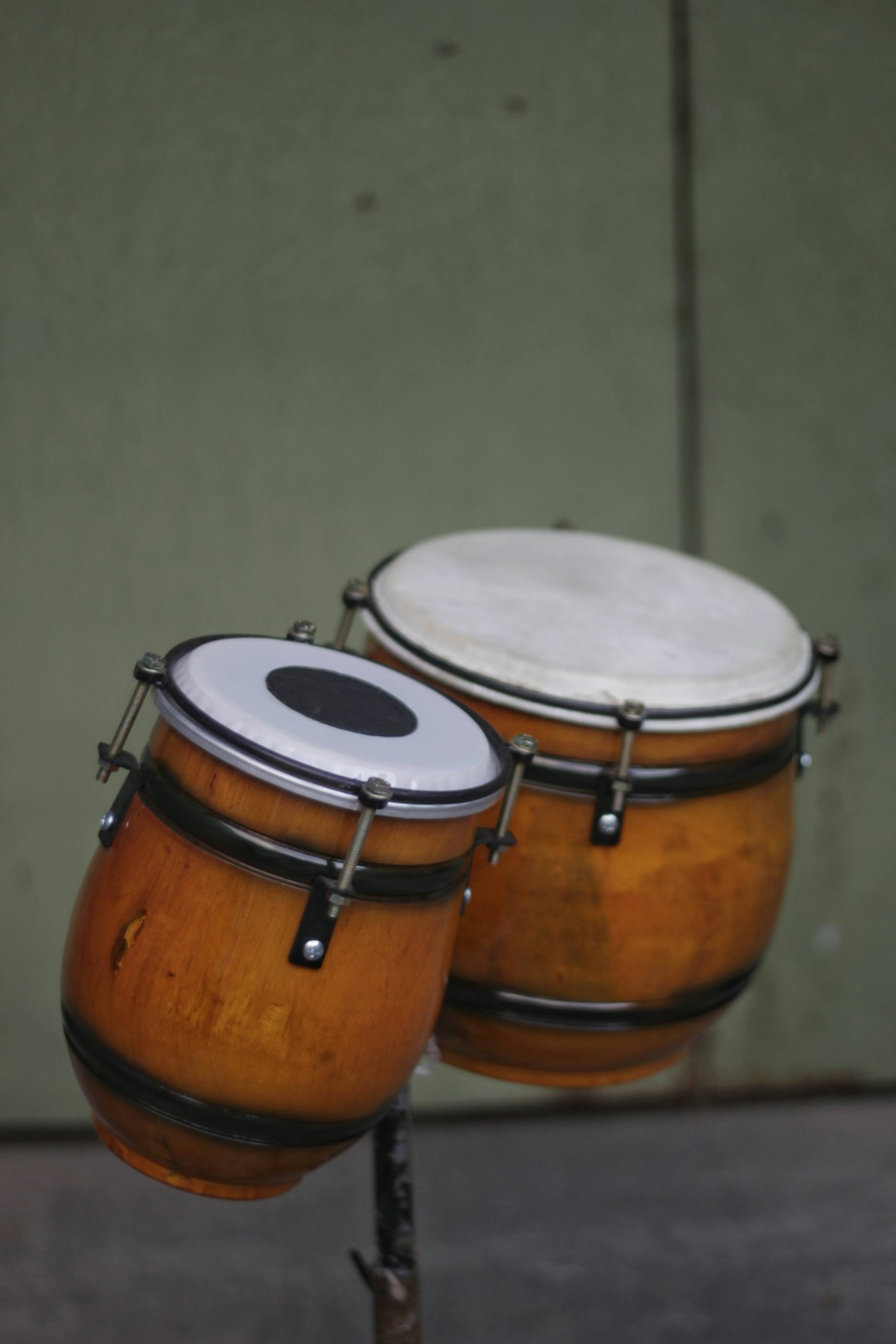
Master clave-based rhythms on congas, timbales, and bongos. Study the foundational patterns of son, rumba, mambo, and samba that drive every Latin genre.
Harmony & Arrangement
Study the harmonic languages of bossa nova, Latin jazz, tango, and salsa. Learn montuno piano patterns, guitar voicings, and horn section arranging in Latin styles.
Genre & Cultural Studies
Trace the historical roots of each genre from African, Indigenous, and European sources. Understand how political movements, migration, and cultural fusion shaped the music of an entire hemisphere.
Core Foundation
The Clave: Rhythmic Foundation
The clave is the rhythmic key that unlocks all Latin music. This two-bar pattern — in its son, rumba, and Brazilian variations — organizes every instrument in the ensemble. You will learn to feel the clave in your body, hear it in every arrangement, and use it as the foundation for all your playing and composing.
From the conga's tumbao to the timbale's cascara, every percussion part in Latin music relates to the clave. You will study these relationships across genres — from the street rumba of Havana to the orchestrated power of a New York salsa band, from the subtle brush work of bossa nova to the driving force of cumbia.
- Son clave, rumba clave, and Brazilian clave patterns
- Conga tumbao, bongo martillo, and timbale cascara
- Guiro, maracas, claves, and small percussion techniques
- Ensemble layering and the role of each instrument in the rhythm section
Performance & Dance
Salsa, Son & Afro-Cuban Forms
Salsa is not a single genre — it is a family of genres rooted in Cuban son, with branches extending through mambo, cha-cha-cha, guaracha, and timba. You will study the structure of son montuno, learn the roles of each instrument in the salsa orchestra, and understand how the music evolved from Havana to New York and back again.
You will develop practical skills in piano montuno patterns, bass tumbaos, horn section writing, and the vocal tradition of sonero improvisation. The connection between music and dance is central — you will understand how the dancer's body responds to musical cues and how the best arrangements create irresistible physical momentum.
- Son montuno form: verse, coro, montuno, mambo, monja
- Piano montuno patterns and bass tumbao fundamentals
- Horn section arranging: monas, mambos, and background figures
- Sonero vocal improvisation and coro-pregon tradition
Inspired By Giants
The Legends Who Shaped Latin Music
These towering figures defined the sound, style, and spirit of Latin music across generations. Their innovations are woven into every module of this certificate.
"My music is my flag."— Celia Cruz
Tito Puente
Mambo / Latin Jazz
King of Latin Music, over 100 albums, timbale virtuoso
Celia Cruz
Salsa / Son
Queen of Salsa, voice of Cuban music for five decades
Antonio Carlos Jobim
Bossa Nova
Father of bossa nova, composer of The Girl from Ipanema
Astor Piazzolla
Tango Nuevo
Revolutionized tango with jazz and classical elements
Rubén Blades
Salsa / Nueva Cancion
Salsa's poet-intellectual, fused social commentary with dance music
Buena Vista Social Club
Son Cubano
Revived Cuban son tradition, Grammy-winning global phenomenon
Mercedes Sosa
Nueva Cancion / Folk
Voice of the voiceless, champion of Latin American folk music
Gustavo Dudamel
Classical / Latin
Venezuelan conductor, El Sistema graduate, global classical ambassador
Brazilian Traditions
Bossa Nova, Samba & Brazilian Forms
Brazil's musical traditions represent a world unto themselves. From the sophisticated harmonic language of bossa nova to the explosive energy of samba, from the syncretic rhythms of candomble to the regional styles of forro, baiao, and maracatu, Brazilian music combines African, Portuguese, and Indigenous elements into forms of extraordinary beauty and complexity.
You will study the guitar voicings and harmonic innovations of Jobim and Joao Gilberto, the percussion ensemble of the escola de samba, the berimbau-driven martial art of capoeira, and the ways Brazilian musicians have continuously reinvented their traditions while honoring their roots.
- Bossa nova guitar voicings and harmonic language
- Samba batucada: surdo, caixa, tamborim, agogo ensemble
- Brazilian percussion: pandeiro, berimbau, atabaque
- Regional styles: forro, baiao, maracatu, and frevo
Regional Traditions
Tango, Cumbia & Regional Styles
Latin America's musical diversity extends far beyond the Caribbean. Argentine tango is a world of passionate intensity and technical sophistication. Colombian cumbia has become a pan-Latin phenomenon. Mexican son jarocho, Peruvian criolla, and Venezuelan joropo each carry unique rhythmic and melodic identities that reflect their regions' histories and peoples.
You will study how Indigenous, African, and European musical traditions combined differently across the Americas to create distinct regional identities. You will explore how migration, urbanization, and technology transformed folk traditions into popular genres, and how contemporary Latin artists continue to innovate while honoring their roots.
- Argentine tango: history, bandoneon, and the tango orchestra
- Colombian cumbia, vallenato, and their pan-Latin influence
- Mexican son jarocho, mariachi, and norteno traditions
- Reggaeton, Latin trap, and contemporary urban Latin music
Full Curriculum
What You'll Learn
Six intensive modules covering the depth and breadth of Latin musical traditions — from Afro-Cuban rhythmic foundations to contemporary global Latin sounds.
Afro-Latin Rhythmic Foundations
- Clave patterns: son, rumba, and Brazilian variations
- African roots of Latin rhythm: Yoruba, Congo, Carabali
- Body percussion and dance-rhythm integration
- Conga, bongo, and timbale fundamental patterns
Cuban Music & Salsa
- Son montuno form and orchestration
- Mambo, cha-cha-cha, and guaracha structures
- Piano montuno and bass tumbao patterns
- Salsa arranging: horn sections, mambos, and monas
Brazilian Music
- Bossa nova harmony and guitar technique
- Samba forms: samba-cancao, pagode, samba de roda
- Batucada ensemble percussion arranging
- MPB (Musica Popular Brasileira) and tropicalia
Tango & South American Forms
- Argentine tango: form, harmony, and bandoneon
- Colombian cumbia and vallenato
- Peruvian criolla and Andean music
- Venezuelan joropo and gaita traditions
Latin Jazz & Fusion
- Latin jazz history: Machito to Gonzalez to Sanchez
- Afro-Cuban jazz harmonic and rhythmic concepts
- Brazilian jazz: from Jobim to Hermeto Pascoal
- Contemporary Latin fusion and crossover styles
Contemporary Latin & Global Impact
- Reggaeton, Latin trap, and urban Latin genres
- Latin pop: from Selena to Bad Bunny
- Latin influence on global pop, hip-hop, and electronic music
- Capstone: Latin music arrangement or composition project
"The clave is the key. Once you feel it in your body, every rhythm in Latin music opens up to you."
— TGC FacultyYour Final Deliverable
Capstone Latin Music Portfolio
Your capstone is a multi-format portfolio demonstrating command of Latin musical traditions. You will prepare a salsa or bossa nova arrangement, a percussion ensemble performance, a research paper on a chosen tradition, and a creative project that demonstrates your ability to work across Latin genres.
- Full salsa or bossa nova arrangement (notated and recorded)
- Afro-Latin percussion ensemble performance (video documented)
- Research paper on a specific Latin musical tradition or artist
- Original composition or arrangement in a Latin genre
- Peer and faculty review presentation
Certificate & Badges Awarded
Certificate of Completion
Latin Music Program — The Global Conservatory
Digital badges in:
Your 6 Months
The Program Experience
A structured journey from Afro-Latin rhythmic foundations to portfolio-ready mastery across four progressive phases.
Clave & Percussion
Master clave patterns, learn conga, bongo, and timbale fundamentals, and understand Afro-Latin rhythmic DNA. Months 1–2.
Cuban & Salsa Forms
Study son montuno, mambo, and salsa orchestration. Learn montuno piano, bass tumbao, and horn arranging. Months 2–3.
Brazil, Tango & Beyond
Deep dive into bossa nova, samba, tango, cumbia, and regional styles. Study Latin jazz and contemporary fusion. Months 4–5.
Capstone & Showcase
Complete your arrangement, percussion performance, and research paper. Present your Latin music portfolio. Month 6.
Student Voices
What Graduates Say
Real feedback from musicians who completed the Latin Music Program certificate.
"I thought I knew salsa until I took this program. Understanding the clave from the inside out completely transformed my playing. Now I hear the architecture of every arrangement."
"The bossa nova module alone was worth the entire program. Learning Jobim's harmonic language from faculty who lived in Rio gave the music a depth no textbook could provide."
"As a music educator, this program gave me the tools to teach Latin music authentically. The cultural context and the hands-on percussion training were equally powerful."
Questions
Frequently Asked Questions
Apply Now
Request Information
Ready to immerse yourself in the rhythms and traditions of Latin music? Complete this form and our admissions team will connect with you to discuss the program, assess fit, and answer your questions.
Feel the Clave. Move the World.
Latin music is the soundtrack of a hemisphere and the pulse of a global movement. Join The Global Conservatory's Latin Music Program and master the traditions that make the world dance.
Ready to Begin Your Journey?
Take the first step toward your performing arts education with The Global Conservatory.
For Institutions Bring TGC programs to your students — explore partnership tiers ›