
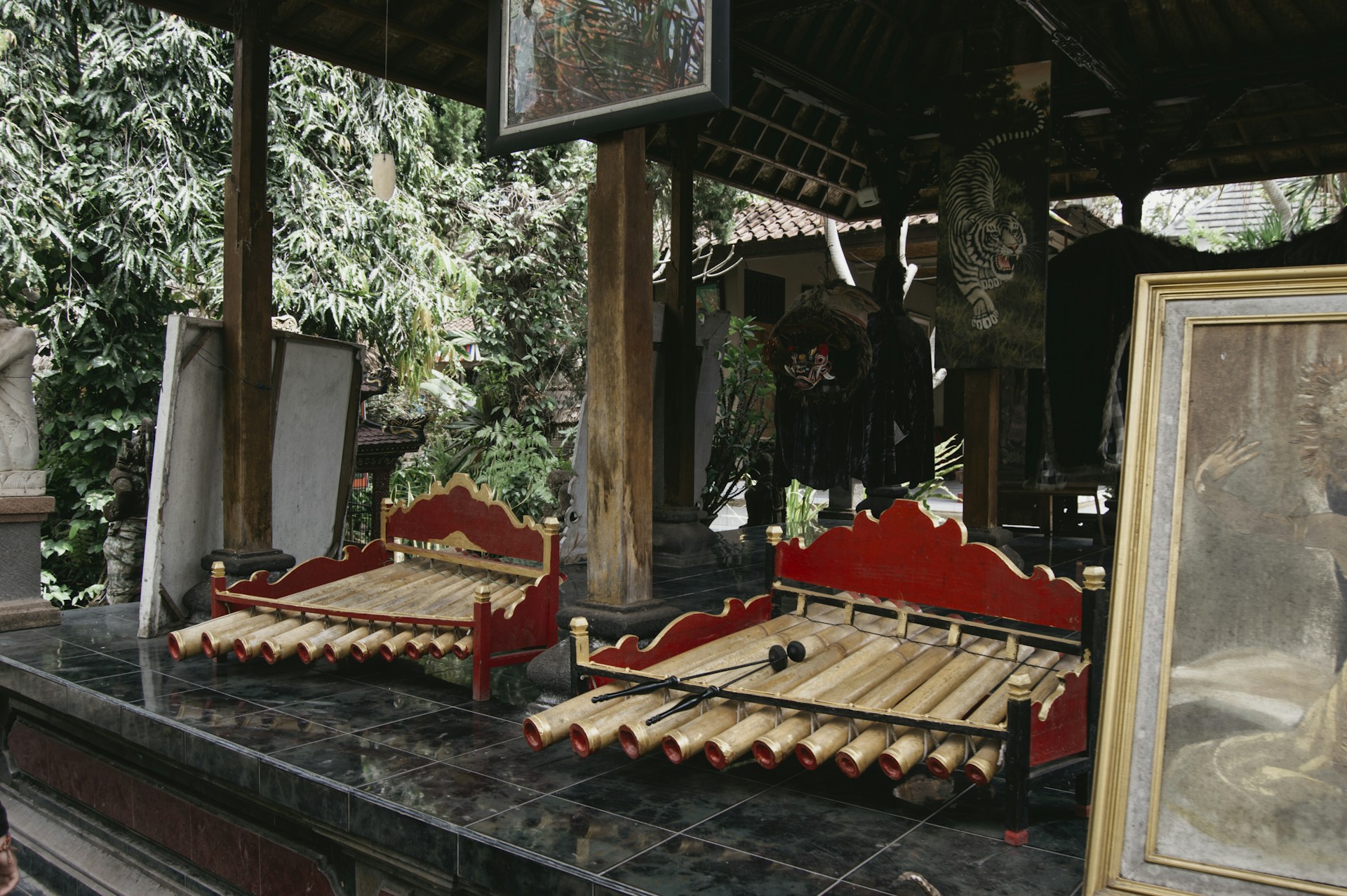
East AsianMusic
World Music Track · Intermediate Program
Explore the refined aesthetics, ancient philosophies, and extraordinary instrumental traditions of Japan, China, and Korea — from gagaku court music to pansori storytelling, from guzheng to shamisen.
The Certificate in East Asian Music at The Global Conservatory is a comprehensive exploration of the classical, folk, and contemporary musical traditions of Japan, China, and Korea. From the imperial court music of gagaku to the explosive vocal art of pansori, from the meditative tones of the guqin to the percussive brilliance of taiko, this program provides deep engagement with musical systems that embody millennia of philosophical, aesthetic, and spiritual refinement.
You will study through listening, analysis, and guided practice — developing an ear for the subtle timbral and tonal aesthetics that distinguish East Asian musical thought from Western paradigms. Guided by performers and scholars with deep expertise in Japanese, Chinese, and Korean traditions, you will gain both technical understanding and cultural fluency.
Our Approach
In East Asian aesthetics, music is not merely organized sound — it is a path to understanding the relationship between humanity and nature. The Japanese concept of ma (the beauty of silence and space), the Chinese ideal of yin and yang in tonal balance, and the Korean notion of heung (spirited joy) all reveal music as a philosophical practice.
Western ears often misunderstand East Asian music, hearing absence where there is deliberate space, hearing simplicity where there is profound refinement. This program trains your perception to hear what these traditions actually offer: a radically different approach to time, timbre, melody, and the meaning of musical expression itself.
Focus Areas
Three Core Disciplines
Every module builds toward deep understanding of East Asian musical systems across three interconnected traditions.
Japanese Traditions
Study gagaku court music, shamisen narrative forms, koto solo and ensemble repertoire, shakuhachi Zen flute, and the theatrical music of noh and kabuki.
Chinese Traditions
Explore guqin, guzheng, erhu, and pipa repertoire. Study Confucian musical philosophy, Peking opera, silk-and-bamboo ensembles, and the living tradition of Chinese classical music.
Korean Traditions
Discover gayageum, pansori vocal art, samulnori percussion, and the distinction between jeongak (court music) and minsogak (folk music) in Korean classical tradition.
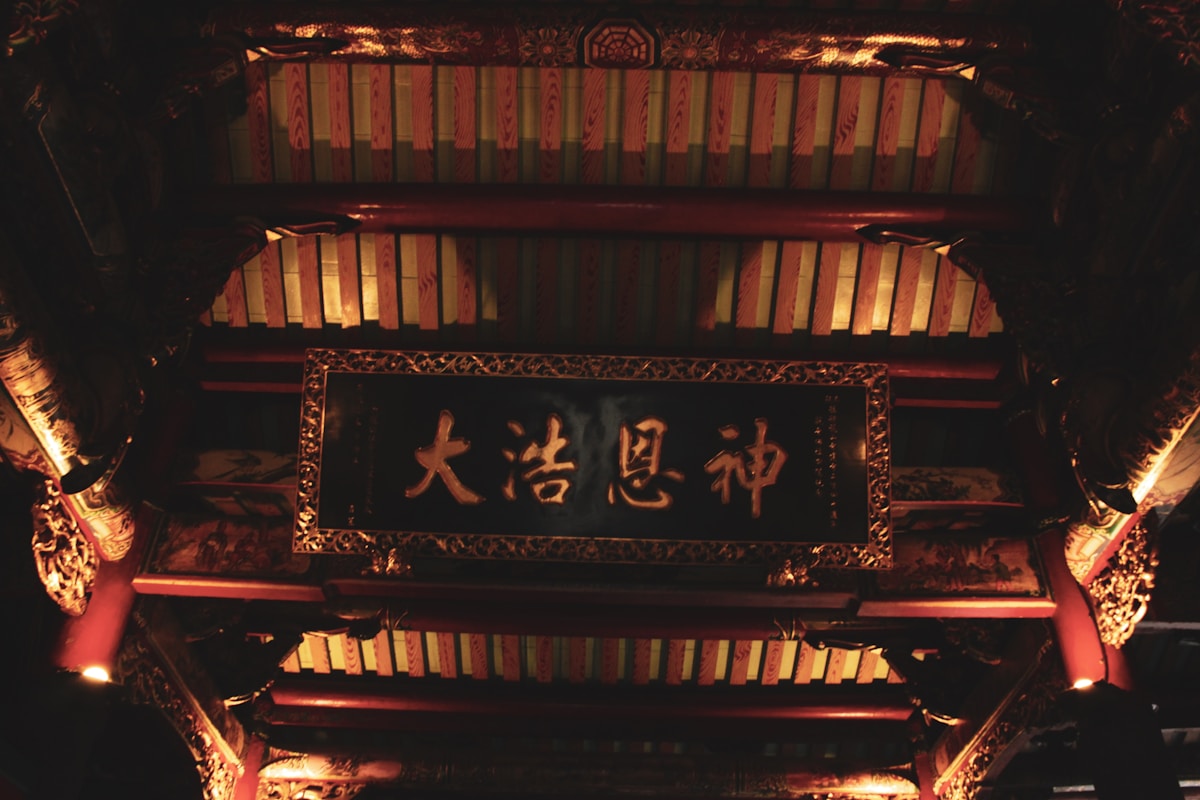
Japanese Tradition
Gagaku, Koto & Shamisen
Japanese classical music encompasses some of the most refined aesthetic traditions in world music. Gagaku, the imperial court music dating back over 1,200 years, is the oldest continuous orchestral tradition on Earth. The koto (13-string zither), shamisen (three-string lute), and shakuhachi (bamboo flute) each carry vast solo and ensemble repertoires that embody distinctly Japanese approaches to melody, rhythm, and silence.
The concept of ma — the pregnant pause, the meaningful silence between notes — is central to Japanese musical aesthetics. You will learn to hear and create ma, to understand how Japanese music uses space as an expressive element, and to appreciate the connection between music and the broader arts of tea ceremony, calligraphy, and Zen practice.
- Gagaku: togaku and komagaku repertoire and instrumentation
- Koto: solo and ensemble repertoire, tuning systems
- Shamisen: jiuta, nagauta, and Tsugaru styles
- Shakuhachi: honkyoku (Zen pieces) and ensemble music
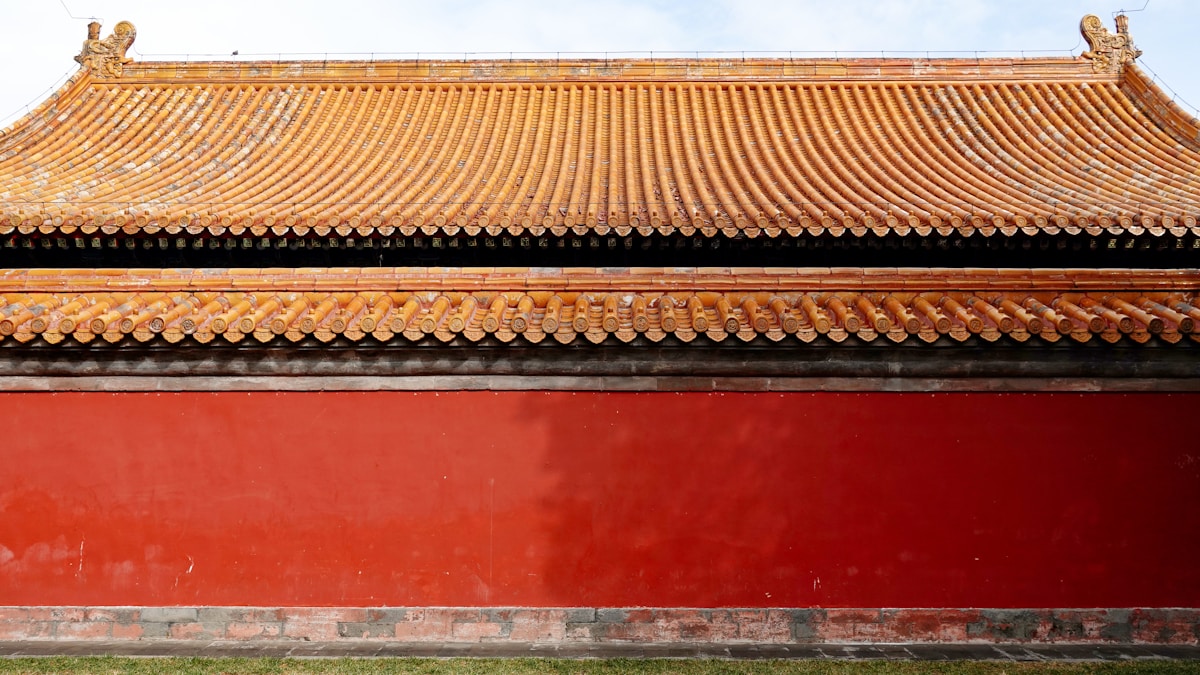
Chinese Tradition
Guqin, Erhu & Chinese Classical Music
Chinese music has one of the longest continuous histories of any tradition on Earth. The guqin (seven-string zither) has been the instrument of scholars and sages for over 3,000 years. The erhu (two-string fiddle), pipa (four-string lute), and guzheng (21-string zither) each carry rich solo and ensemble traditions shaped by Confucian, Taoist, and Buddhist philosophical principles.
You will study the tonal system of Chinese music (pentatonic and heptatonic scales), the aesthetic principles that govern guqin performance, the narrative power of pipa solo literature, and the silk-and-bamboo (sizhu) ensemble tradition that represents one of the world's great chamber music practices.
- Guqin: the scholar's instrument, notation, and aesthetic philosophy
- Erhu: bowing technique, vibrato, and solo repertoire
- Pipa: plucking techniques and narrative battle pieces
- Guzheng: tuning, ornamentation, and contemporary repertoire
Inspired By Giants
The Artists Who Bridge East and West
These visionary musicians brought East Asian musical traditions to global audiences while deepening cross-cultural understanding. Their artistry and innovation are woven into every module of this certificate.
"Music can act as a bridge between cultures."— Yo-Yo Ma
Yo-Yo Ma
Silk Road / Crossover
Silk Road Ensemble, bridging Eastern and Western musical traditions
Wu Man
Pipa / Chinese
World's premier pipa virtuoso, champion of Chinese music globally
Keiko Abe
Marimba / Japanese
Pioneer of contemporary marimba, expanded percussion repertoire
Tan Dun
Composition / Chinese
Oscar-winning composer, fuses Chinese tradition with avant-garde
Toru Takemitsu
Composition / Japanese
Visionary composer blending Japanese aesthetics with Western forms
Lang Lang
Piano / Crossover
Chinese pianist bringing Eastern sensitivity to Western classical canon
Hwang Byungki
Gayageum / Korean
Master gayageum performer, composed new works for traditional instrument
Tadao Sawai
Koto / Japanese
Revolutionary koto player, expanded the instrument into modern music
Korean Traditions
Gayageum, Pansori & Korean Music
Korean music offers a distinctive palette of sounds and aesthetics that stands apart from both Chinese and Japanese traditions. The gayageum (12-string zither), haegeum (bowed string), and daegeum (bamboo flute) carry elegant classical repertoire, while pansori — the extraordinary solo vocal narrative art — is one of the most demanding and emotionally powerful performance traditions in all of world music.
You will study the distinction between jeongak (refined court music) and minsogak (folk music), explore the explosive energy of samulnori percussion, experience the emotional depth of sanjo (solo instrumental music), and understand how Korean musicians navigate between ancient tradition and contemporary innovation.
- Gayageum sanjo and jeongak repertoire
- Pansori: vocal technique, narrative structure, and emotional range
- Samulnori: the four percussion instruments and rhythmic cycles
- Korean court music (aak) and ritual traditions
Cross-Cultural Influence
East Asian Music in the Global Context
East Asian musical concepts have profoundly influenced Western composers from Debussy and Cage to contemporary film and game music. The pentatonic scales, timbral sensitivity, and spatial awareness of Asian traditions continue to shape global music. Meanwhile, J-pop, K-pop, and C-pop have become dominant forces in global popular culture, creating new fusions of Eastern and Western musical ideas.
You will study how East Asian aesthetics influenced Western impressionism and minimalism, how taiko became a global percussion movement, how anime and video game soundtracks have introduced millions to Japanese musical concepts, and how the K-pop industry has created entirely new models for music production and performance.
- Debussy, Cage, and Western composers influenced by Asian music
- Taiko drumming as a global percussion movement
- Anime, video game, and film scoring with Asian musical elements
- K-pop, J-pop, and contemporary East Asian popular music
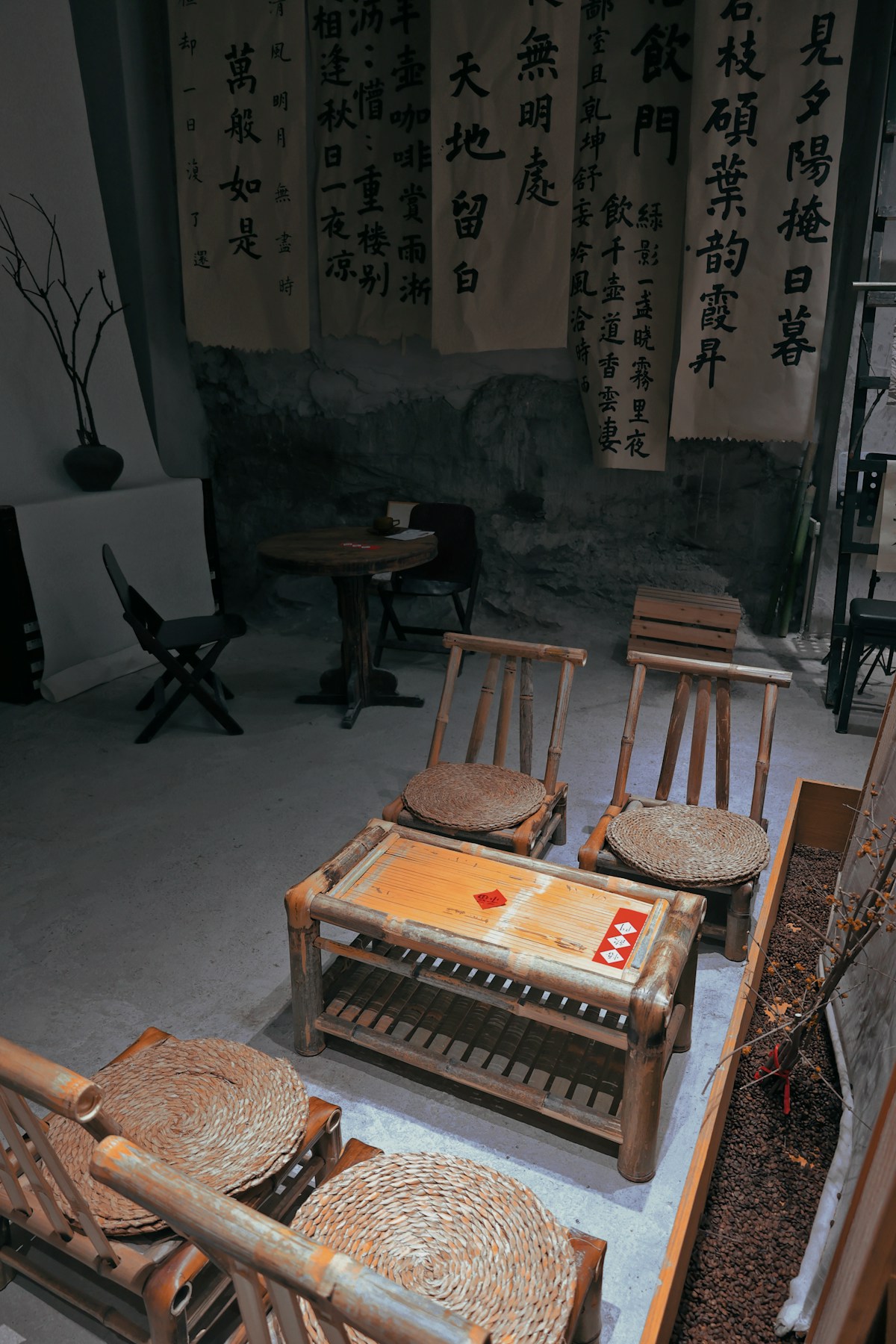
Full Curriculum
What You'll Learn
Six intensive modules covering the depth and breadth of East Asian musical traditions — from ancient court music to contemporary global influence.
Philosophical Foundations
- Confucian, Taoist, and Buddhist approaches to music
- Ma (space/silence) in Japanese aesthetics
- Yin-yang balance in Chinese musical theory
- Heung (spirited joy) in Korean musical expression
Japanese Music
- Gagaku: instruments, repertoire, and performance practice
- Koto and shamisen solo and ensemble traditions
- Shakuhachi honkyoku and Zen musical practice
- Noh and kabuki theatrical music
Chinese Music
- Guqin: the scholar's instrument and its philosophy
- Erhu, pipa, and guzheng solo traditions
- Sizhu (silk-and-bamboo) chamber ensembles
- Peking opera and regional operatic forms
Korean Music
- Gayageum sanjo and court music repertoire
- Pansori: vocal narrative art and chang (singing)
- Samulnori and nongak percussion traditions
- Jeongak vs. minsogak: court and folk distinctions
Instruments & Organology
- Zither family: koto, guzheng, gayageum comparison
- Bowed strings: erhu, haegeum, kokyu techniques
- Wind instruments: shakuhachi, dizi, daegeum
- Percussion: taiko, bianzhong, janggu traditions
Global Influence & Contemporary
- East Asian influence on Western art music
- Film, anime, and video game music traditions
- K-pop, J-pop, and contemporary Asian pop
- Capstone: cross-cultural analysis and creative project
"In the silence between notes, the true music reveals itself."
— TGC FacultyYour Final Deliverable
Capstone Research & Performance
Your capstone is a multi-format portfolio demonstrating deep understanding of East Asian musical traditions. You will prepare analytical presentations on repertoire from each tradition, a comparative study of instruments or forms across Japan, China, and Korea, and a creative project that engages with East Asian musical concepts.
- Analytical presentation: one tradition in depth (video documented)
- Comparative study: an instrument or form across all three traditions
- Research paper on a specific East Asian musical tradition
- Creative project engaging East Asian musical concepts
- Peer and faculty review with Q&A presentation
Certificate & Badges Awarded
Certificate of Completion
East Asian Music — The Global Conservatory
Digital badges in:
Your 6 Months
The Program Experience
A structured journey from foundational concepts to advanced understanding across four progressive phases.
Philosophical Foundations
Study the aesthetic and philosophical frameworks of East Asian music. Begin instrument and repertoire study. Months 1–2.
Japanese Deep Dive
Focus on gagaku, koto, shamisen, and shakuhachi traditions. Study noh and kabuki theatrical music. Months 2–3.
Chinese & Korean Deep Dives
Study guqin, erhu, pipa, gayageum, pansori, and samulnori. Compare traditions across the three cultures. Months 4–5.
Capstone & Presentation
Complete your comparative study, research paper, and creative project. Present to faculty and peers. Month 6.
Student Voices
What Graduates Say
Real feedback from musicians who completed the East Asian Music certificate.
"This program gave me an entirely new way of hearing music. Understanding ma and the role of silence completely changed my approach to composition and performance."
"As a film composer, studying guzheng and koto repertoire gave me authentic tools for scoring. The faculty's knowledge of performance practice was extraordinary."
"The comparative approach — studying Japanese, Chinese, and Korean traditions side by side — revealed connections and differences I never would have seen studying just one tradition."
Questions
Frequently Asked Questions
Apply Now
Request Information
Ready to explore the profound musical traditions of East Asia? Complete this form and our admissions team will connect with you to discuss the program, assess fit, and answer your questions.
Hear the Silence. Find the Music.
East Asian musical traditions offer a profound alternative to Western musical thinking — one that values space, timbre, and meditation alongside melody and rhythm. Join The Global Conservatory's East Asian Music certificate and expand your musical universe.
Ready to Begin Your Journey?
Take the first step toward your performing arts education with The Global Conservatory.
For Institutions Bring TGC programs to your students — explore partnership tiers ›