
DalcrozeEurhythmics
Pedagogy Track · Intermediate Program
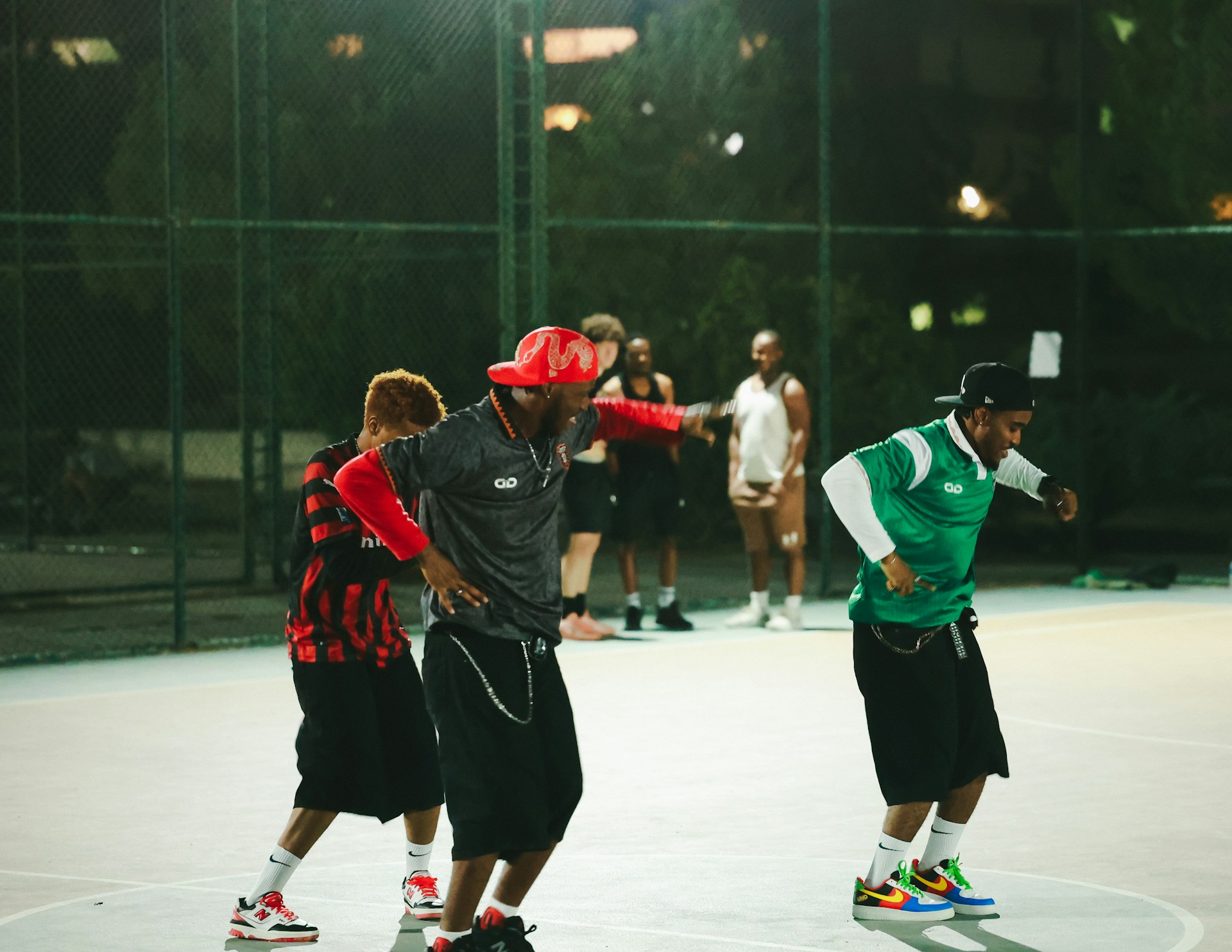
Enter the transformative world of Dalcroze Eurhythmics — where music is learned through movement, rhythm lives in the body, and the ear, mind, and muscles unite in a pedagogy that has revolutionized music education for over a century.
The Certificate in Dalcroze Eurhythmics at The Global Conservatory is an immersive study of the pedagogical method founded by Emile Jaques-Dalcroze (1865–1950) in Geneva, Switzerland. You will study the three interconnected pillars — eurhythmics (music through movement), solfege (ear training and sight-singing), and improvisation — that form one of the most influential approaches to music education ever developed. This is not a theoretical overview. It is a rigorous, embodied journey into a pedagogy that uses the body as the first instrument.
You will learn through movement, listening, and creative response — the way Dalcroze has always been taught. Guided by licensed Dalcroze practitioners trained at the Institut Jaques-Dalcroze and leading conservatories worldwide, you will develop the ability to translate musical concepts into physical expression, cultivate kinesthetic awareness, and understand the pedagogical principles that make Dalcroze a transformative approach for students of all ages.
Our Approach
Dalcroze Eurhythmics is not merely a teaching method — it is a philosophy of embodied learning. Music lives in the body before it reaches the page. We teach through movement, improvisation, and creative play — awakening the musical instinct that is every person's birthright.
Traditional music education often separates theory from practice, mind from body, analysis from feeling. Dalcroze reunites them. This program honors the complete system — the unity of ear, body, and mind, the relationship between musical structure and physical expression, and the creative spontaneity that gives every lesson its vitality. You will not merely study this method. You will embody it.
Focus Areas
Three Core Disciplines
Every module builds toward mastery of Dalcroze pedagogy across three interconnected practice areas.
Eurhythmics & Movement
Study the art of expressing music through full-body movement. Learn to translate rhythm, phrase, dynamics, and form into physical gesture, developing kinesthetic awareness and musical sensitivity simultaneously.
Solfege & Ear Training
Master the aural framework of Dalcroze through moveable-do solfege, inner hearing, sight-singing, and harmonic analysis. Develop the ear as the primary instrument of musical understanding.
Improvisation & Pedagogy
Develop the art of musical improvisation at the keyboard and through movement. Learn to create exercises, games, and lesson sequences that bring Dalcroze principles alive in the classroom for students of all ages.
Core Framework
The Body as First Instrument
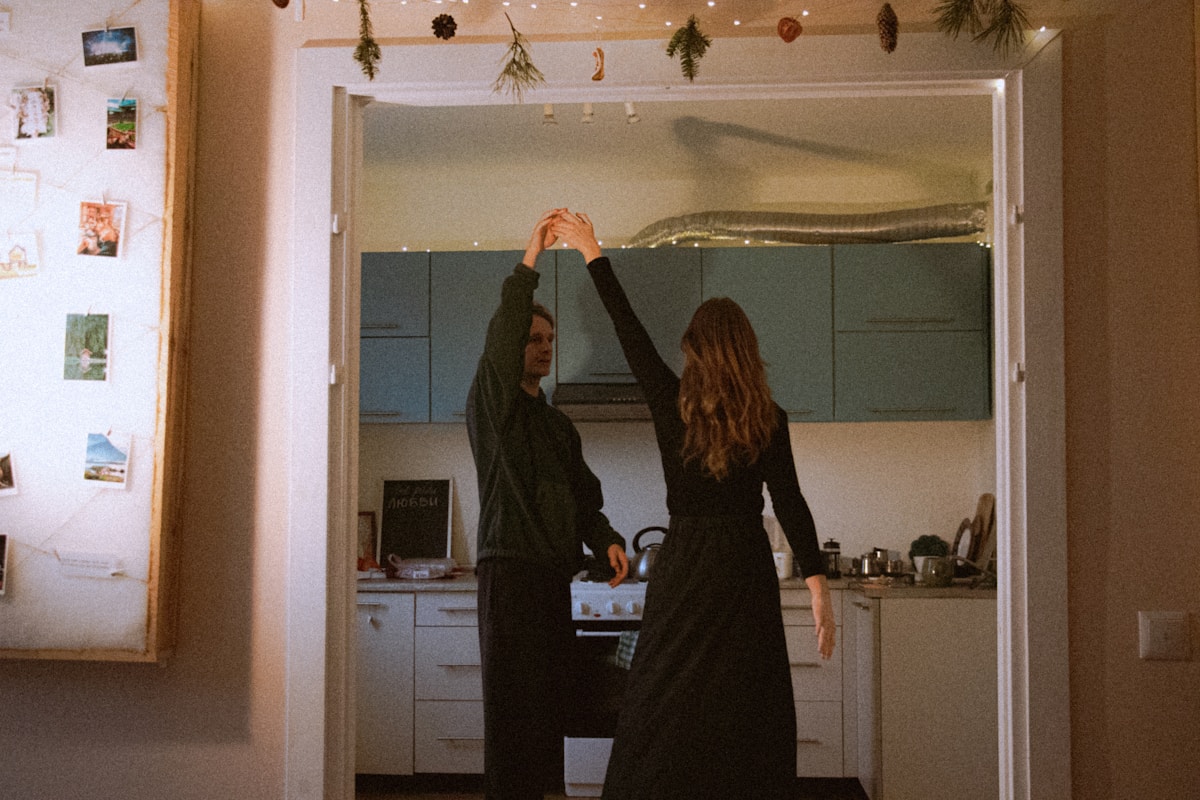
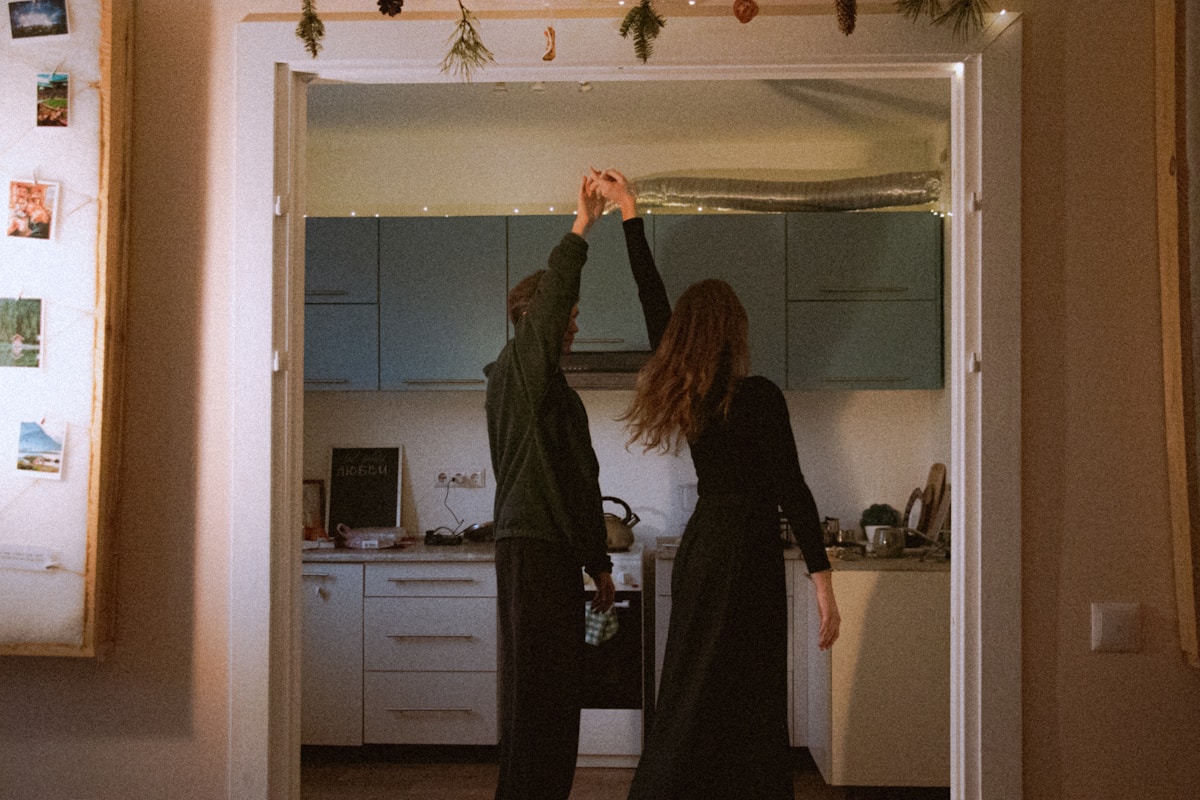
In Dalcroze Eurhythmics, the body is the first instrument. Before students read a note on the page, they must feel rhythm in their muscles, sense phrase structure through movement, and experience dynamics through physical gesture. Founded by Emile Jaques-Dalcroze at the Geneva Conservatory in the early 1900s, this approach was revolutionary in its insistence that musical understanding must be rooted in physical experience.
The Institut Jaques-Dalcroze, established in 1915 in Geneva, remains the world center for Dalcroze training. This program brings those same principles and pedagogical standards to an accessible online format, guided by practitioners who trained at the Institut and at leading Dalcroze programs worldwide.
- Eurhythmics: translating rhythm, meter, dynamics, and form into movement
- Solfege: moveable-do system, inner hearing, and sight-singing
- Improvisation: keyboard, vocal, and movement improvisation skills
- Plastique animee: artistic movement to music for deeper expression
Pedagogical Practice
Teaching Through Movement
Teaching Dalcroze is an art in itself. The teacher must be a skilled musician, a creative improviser, and a keen observer of human movement. In this program, you will learn to design and deliver Dalcroze lessons that awaken musical understanding through carefully sequenced movement experiences, games, and creative challenges.
You will study lesson planning, sequencing, adaptation for different ages and abilities, and the art of the Dalcroze "follow" — improvising at the keyboard in real time to guide student movement. You will develop the ability to observe, respond, and create in the moment, which is the hallmark of great Dalcroze teaching.
- Lesson design: sequencing exercises from simple to complex
- The Dalcroze "follow": real-time keyboard improvisation for movement
- Adaptation for ages 3 to adult, beginner to advanced
- Integration with instrumental, choral, and general music teaching
Inspired By Masters
The Pioneers Who Shaped Dalcroze Eurhythmics
These pioneering educators and practitioners developed, refined, and spread Dalcroze Eurhythmics across the world. Their vision, artistry, and pedagogical innovation are woven into every module of this certificate.
"We do not teach music to make musicians, we teach music to make better human beings."— Emile Jaques-Dalcroze
Jaques-Dalcroze
Founder / Geneva
Creator of Eurhythmics, visionary who united music, movement, and mind
Hilda Schuster-Craig
Pedagogy / International
Pioneering Dalcroze teacher who spread the method across North America
Robert Abramson
Pedagogy / Juilliard
Brought Dalcroze to Juilliard, authored essential Dalcroze textbooks
Anne Farber
Pedagogy / New York
Master teacher and trainer, longtime leader of Dalcroze education in the US
Lisa Parker
Pedagogy / Cleveland
Innovative Dalcroze practitioner connecting movement to instrumental teaching
Marta Sanchez
Pedagogy / International
Dalcroze master teacher, champion of movement-based music education globally
Virginia Mead
Pedagogy / Research
Dalcroze scholar and practitioner, advanced research in embodied learning
Ruth Alperson
Pedagogy / New York
Dalcroze teacher and advocate, advanced applications in early childhood
Solfege & Ear Training
The Listening Ear: Solfege in the Dalcroze Tradition
Dalcroze solfege is not mere sight-singing — it is a comprehensive system of ear training, inner hearing, and musical analysis. Using the moveable-do system, students learn to hear intervals, recognize harmonic progressions, and develop the ability to audiate (hear internally) before performing. The ear becomes the primary instrument of musical understanding.
Dalcroze solfege progresses from simple intervallic recognition to complex harmonic dictation, always grounding abstract concepts in physical experience. Students sing, move, conduct, and improvise simultaneously, building a deep connection between what they hear and what they understand.
- Moveable-do solfege: intervals, scales, modes, and modulation
- Inner hearing (audiation): silent singing and mental rehearsal
- Harmonic dictation: identifying chords, progressions, and cadences
- Rhythmic solfege: reading, writing, and improvising complex rhythms
Global Influence
Improvisation: The Creative Core
Improvisation is the third pillar of Dalcroze and the one that brings eurhythmics and solfege together. In this program, you will develop keyboard improvisation skills essential for Dalcroze teaching — the ability to create music in real time that responds to student movement, guides rhythmic exercises, and provides musical material for exploration.
Beyond keyboard skills, you will explore movement improvisation, vocal improvisation, and the integration of improvisation into lesson design. The ability to respond creatively in the moment is what distinguishes a skilled Dalcroze teacher from one who merely follows a curriculum.
- Keyboard improvisation: creating music for eurhythmics exercises
- Vocal improvisation: singing to guide movement and ear training
- Movement improvisation: plastique animee and creative expression
- Integrating improvisation into lesson design for all ages
Full Curriculum
What You'll Learn
Six intensive modules covering the depth and breadth of Dalcroze Eurhythmics — from foundational movement principles to advanced pedagogical practice.
Foundations of Eurhythmics
- Walking, stepping, and clapping to music: the basics of physical response
- Pulse, meter, and rhythmic patterns through full-body movement
- Dynamics, tempo, and articulation expressed through gesture
- Historical context: Jaques-Dalcroze's vision and philosophy
Dalcroze Solfege
- Moveable-do solfege: intervals, scales, and modes
- Inner hearing: audiation and mental rehearsal techniques
- Sight-singing: reading melodies at sight with body engagement
- Harmonic ear training: chords, progressions, and modulations
Keyboard Improvisation
- Improvising for eurhythmics: creating music for movement exercises
- Harmonic progressions and modulations at the keyboard
- Rhythmic improvisation: creating patterns for rhythmic challenges
- Stylistic flexibility: classical, folk, and contemporary idioms
Plastique Animee
- Artistic movement to music: expressing form, phrase, and emotion
- Group choreography: collaborative movement interpretation
- Connecting movement analysis to musical analysis
- Performance projects: presenting plastique animee in concert
Teaching Methodology
- Lesson design: sequencing exercises from simple to complex
- Adaptation for ages 3 to adult, beginner to advanced
- Classroom management and group dynamics in movement settings
- Integration with instrumental, choral, and general music curricula
Capstone & Certification
- Designing and teaching a full Dalcroze lesson sequence
- Plastique animee performance project
- Keyboard improvisation demonstration
- Capstone: teaching demonstration and analytical portfolio
"Music begins in the body. Before the hands touch the keys, before the voice sings a note, the body must feel the music."
— TGC FacultyYour Final Deliverable
Capstone Teaching Demonstration
Your capstone is a comprehensive demonstration of Dalcroze pedagogical mastery. You will design and teach a full Dalcroze lesson sequence, perform a plastique animee interpretation, demonstrate keyboard improvisation for eurhythmics, and present a research paper on a chosen aspect of Dalcroze philosophy and practice.
- Full Dalcroze lesson: design, teach, and reflect (video documented)
- Plastique animee performance: group movement interpretation of music
- Keyboard improvisation: demonstrate real-time music creation for movement
- Research paper on Dalcroze philosophy, history, or applications
- Peer and faculty review presentation with Q&A
Certificate & Badges Awarded
Certificate of Completion
Dalcroze Eurhythmics — The Global Conservatory
Digital badges in:
Your 6 Months
The Program Experience
A structured journey from foundational movement principles to advanced Dalcroze teaching across four progressive phases.
Movement Foundations
Learn to express pulse, meter, dynamics, and phrase through full-body movement. Begin solfege and keyboard improvisation. Months 1–2.
Solfege & Ear Training
Deepen moveable-do solfege skills, inner hearing, and harmonic analysis. Connect aural training to movement experience. Months 2–3.
Improvisation & Plastique
Develop keyboard improvisation for teaching, explore plastique animee, and begin designing lesson sequences. Months 4–5.
Capstone & Teaching
Prepare and deliver your capstone teaching demonstration, plastique animee performance, and research paper. Month 6.
Student testimonials will be added here once collected from real students. Placeholder removed for pre-launch compliance.
Questions
Frequently Asked Questions
Apply Now
Request Information
Ready to begin your journey into Dalcroze Eurhythmics? Complete this form and our admissions team will connect with you to discuss the program, assess fit, and answer your questions.
Discover Dalcroze. Move Into Music.
Dalcroze Eurhythmics is one of music education's most transformative approaches — a method that awakens the body, sharpens the ear, and liberates the creative spirit. Join The Global Conservatory's Dalcroze Eurhythmics certificate and discover how movement can unlock musical understanding.
Ready to Begin Your Journey?
Take the first step toward your performing arts education with The Global Conservatory.
For Institutions Bring TGC programs to your students — explore partnership tiers ›