
Educate Through
Music
Where Clinical Science Meets the Transformative Power of Sound
The Global Conservatory's Music Therapy & Wellness division prepares practitioners, caregivers, and wellness professionals to harness the evidence-based power of music in clinical, educational, and community settings. From board-certified music therapists maintaining CMTE credits to caregivers learning neurologic techniques, every program is built on research, led by practitioners, and designed for real-world impact.
Music as Practice.
Pedagogy as Science.
For thousands of years, cultures across the world have understood what modern neuroscience now confirms: music changes the brain. It reduces cortisol, increases dopamine, synchronizes neural networks, and activates regions that language alone cannot reach.
Today, board-certified music therapists practise in a range of healthcare, educational, and community settings, applying evidence-based approaches developed through decades of clinical research. TGC programmes provide educational preparation for those interested in this field; they are not clinical treatment and do not substitute for licensed medical or therapeutic care. The specific clinical populations served by music therapists are determined by individual licensure, supervision, and employer scope of practice — outside the scope of TGC educational programmes.
The Global Conservatory's wellness division exists to train the next generation of these practitioners — and to give current professionals the continuing education they need to stay at the forefront of a rapidly evolving field.
From foundational wellness certificates to specialized clinical training and CMTE continuing education credits. Every program is designed by practicing MT-BCs and delivered entirely online.

Continuing Education for Music Therapists
Maintain your MT-BC certification with continuing education credits across 12 expert-led courses. Neurologic rehabilitation, trauma-informed practice, telehealth delivery, pediatric techniques, and evidence-based research methods. Self-paced modules and live sessions fit your clinical schedule.

Sound Healing Practitioner
Master therapeutic sound modalities including singing bowls, tuning forks, gong baths, and vocal toning. Learn the physics of resonance, psychoacoustic principles, and evidence-based protocols for clinical and wellness settings.
Music for Memory Care
Specialized training for working with Alzheimer's and dementia populations. Personalized playlist protocols, reminiscence therapy, caregiver training models, and music-based cognitive stimulation for memory care facilities.

Therapeutic Drumming Facilitator
Learn to facilitate therapeutic drum circles for hospitals, rehabilitation centers, corporate wellness programs, and community settings. Group dynamics, rhythm-based interventions, and trauma-sensitive facilitation techniques.

Music-Based Stress Management
Evidence-based techniques for using music to reduce anxiety, manage chronic stress, and promote resilience. Guided imagery and music, receptive listening protocols, and music-assisted relaxation for clinical and corporate settings.

Prenatal & Early Childhood Music Wellness
Music-based interventions for prenatal care, NICU environments, infant bonding, and early developmental support. Parent-child musical interaction, lullaby therapy, and developmental music programming from birth through age five.
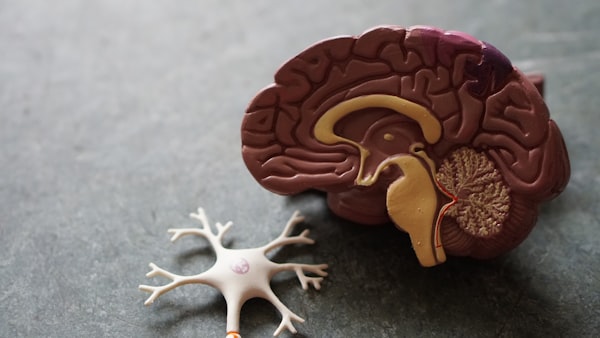
Neurologic Music Techniques for Caregivers
Adapted neurologic music therapy techniques for non-therapist caregivers working with stroke recovery, traumatic brain injury, Parkinson's, and cognitive decline. Rhythmic entrainment, melodic speech protocols, and movement facilitation.

Clinical Rigor.
Real-World Impact.
Every program in our wellness division is grounded in peer-reviewed research and designed by board-certified music therapists with active clinical practices. We don't teach theory in isolation — every technique, protocol, and intervention has been tested in hospitals, rehabilitation centers, and community settings.
- All curricula reviewed by practicing MT-BCs with doctoral credentials
- Case study methodology integrated into every course module
- Direct alignment with AMTA and CBMT competency standards
- Practicum-style capstone projects using real clinical scenarios
The Demand for Music Therapists Has Never Been Higher
The Bureau of Labor Statistics projects growth in recreational therapy and music therapy roles — a field expanding alongside broader demand for evidence-based complementary approaches in healthcare and education. Hospitals, senior living facilities, school districts, and private practices across the country are actively recruiting qualified music therapy professionals.
Insurance coverage for music therapy is expanding. Medicare and Medicaid now cover music therapy services in multiple states. Major health systems including Cleveland Clinic, Mayo Clinic, and Johns Hopkins have established dedicated music therapy departments. TGC has no affiliation with these institutions.
- Growing demand across healthcare and education settings
- Expanding insurance reimbursement nationwide
- Growing demand in geriatric and pediatric settings
- Telehealth creating new remote practice opportunities

Practitioners, Caregivers, & Wellness Professionals
Our programs serve professionals at every stage — from those exploring music therapy as a career path to board-certified therapists seeking advanced training and CMTE credits.
- Board-certified music therapists (MT-BC) maintaining credentials
- Healthcare workers adding music-based interventions to their practice
- Caregivers working with dementia, stroke recovery, and pediatric populations
- Yoga instructors, wellness coaches, and sound healers seeking clinical grounding
- Music educators transitioning into therapeutic applications
- Social workers and psychologists incorporating music into treatment plans
Music therapy and wellness professionals are in demand across healthcare, education, corporate wellness, and community settings.
Hospitals & Health Systems
Acute care, rehabilitation, oncology, pain management, and surgical preparation programs in leading medical centers nationwide.
Senior Living & Memory Care
Alzheimer's units, assisted living facilities, hospice care, and adult day programs serving aging populations with cognitive decline.
Schools & Special Education
K-12 therapeutic music programs, autism spectrum support, and developmental disability services. (IEP services require licensed special-education credentials beyond this programme.)
Private Practice & Telehealth
Independent clinical practices, remote therapy sessions, corporate wellness contracts, and community-based programming.
"Music therapy is not a luxury. It is an evidence-based clinical discipline that changes outcomes in neurologic rehabilitation, mental health treatment, and end-of-life care."American Music Therapy Association — Position Statement on Music Therapy in Healthcare
Our wellness faculty are experienced practitioners and educators. Specific credentials, certifications, and clinical affiliations are listed on each instructor's profile.
No. Our certificate programs are open to healthcare professionals, caregivers, educators, and wellness practitioners at all levels. The CMTE continuing education courses are specifically designed for MT-BCs maintaining board certification, but several of our certificates welcome beginners with no prior music therapy experience.
TGC programmes are designed to support music therapy professionals in their ongoing education. All continuing education courses are developed by board-certified music therapists and designed to meet CBMT continuing education standards across all required competency areas. We provide certificates of completion documenting contact hours for all courses.
Yes. All certificate programs and CMTE courses are 100% online. You'll have access to self-paced video modules, downloadable resources, discussion forums, and scheduled live sessions with faculty. The platform is accessible 24/7 from anywhere in the world.
Our certificates are comprehensive multi-month programs that award a TGC Certificate of Completion — ideal for building or expanding a career in music therapy and wellness. CMTE credits are shorter, focused courses designed specifically for board-certified music therapists who need to accumulate 100 continuing education credits every five years to maintain their MT-BC credential.
Each certificate has a recommended timeline (3 or 6 months depending on the program), but you have up to 12 months to complete all requirements. The self-paced format lets you study alongside your existing clinical schedule or professional commitments.
Yes. We offer custom group licensing for hospitals, senior living networks, university music therapy programs, and healthcare organizations. Group rates include administrative dashboards for tracking employee progress and customizable learning paths. Contact us at info@theglobalconservatory.com for institutional pricing.
All instructors in our wellness division hold active MT-BC board certification and maintain active clinical or research practices. Many hold doctoral degrees in music therapy, neuroscience, or related fields. Faculty are selected based on clinical expertise, published research, and demonstrated excellence in teaching.
Upon completion, you receive a digital certificate and digital badge that can be shared on LinkedIn and professional portfolios. Physical certificates printed on archival paper are available upon request for an additional fee. CMTE course completions include documentation of contact hours for CBMT submission.
TGC certificates are professional development credentials, not academic degree credits. However, the knowledge and clinical training you gain are directly applicable to graduate-level music therapy programs, and some universities may consider TGC coursework during the admissions process. Contact your target institution for their specific transfer policies.
A computer or tablet with reliable internet, a webcam and microphone for live sessions, and access to your preferred music-making tools (instrument, voice, or digital audio workstation depending on the course). All course materials, video lectures, and assignments are delivered through our learning management system accessible via any modern web browser.
Heal. Teach. Transform.
Whether you're a seasoned MT-BC maintaining your credentials, a healthcare worker adding music to your clinical toolkit, or a wellness professional seeking evidence-based training — your path starts here.
Ready to Begin Your Journey?
Take the first step toward your performing arts education with The Global Conservatory.
For Institutions Bring TGC programs to your students — explore partnership tiers ›