
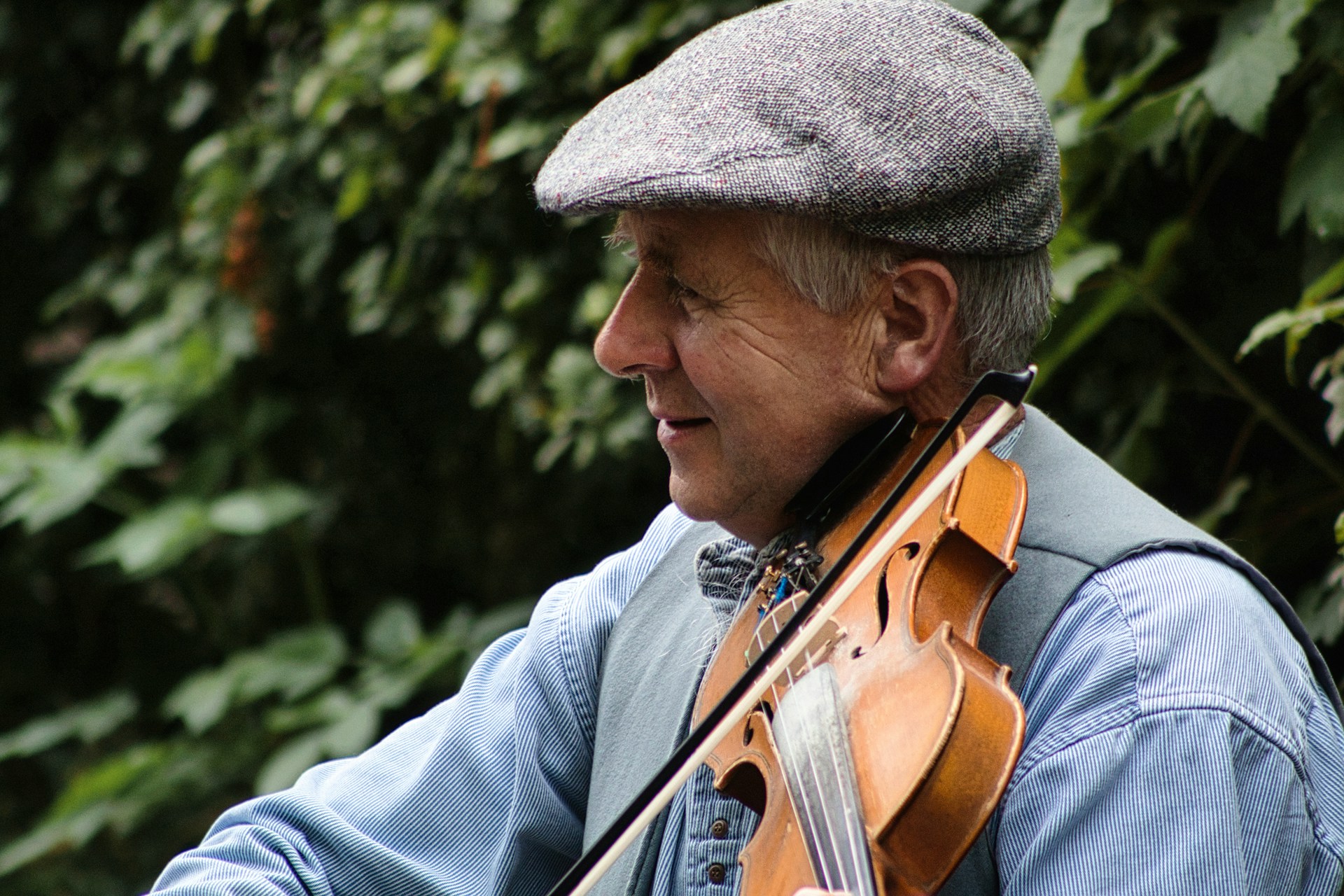
Celtic & FolkTraditions
World Music Track · Foundation Program
Discover the ancient melodies, driving rhythms, and living oral traditions of Ireland, Scotland, Wales, and the broader Celtic world — from sean-nos singing to fiddle reels, from uilleann pipes to harp laments.
The Certificate in Celtic & Folk Traditions at The Global Conservatory is an immersive study of the music that has flowed from the Celtic lands for millennia — the fierce fiddle traditions of County Clare, the piping heritage of Scotland, the bardic harp of Wales, the sean-nos singing of Connemara, and the living session culture that keeps these traditions vital. This is not a casual survey. It is a rigorous, practice-based journey into music that demands technical precision, deep listening, and respect for oral tradition.
You will learn by ear, by session, and by immersion — the way Celtic music has always been transmitted. Guided by acclaimed traditional musicians, scholars, and performers from Ireland, Scotland, and beyond, you will develop the ornamentation, phrasing, and rhythmic feel that distinguish authentic Celtic performance from mere note-reading.
Our Approach
Celtic music is a living tradition, not a museum piece. It breathes in pub sessions, kitchen parties, and festival stages. We teach it the way it lives — as an oral tradition where tunes are learned by ear, style is absorbed through immersion, and the session is the ultimate classroom.
Classical conservatories rarely engage with folk traditions on their own terms. This program honors the oral transmission that is the heartbeat of Celtic music — learning tunes by ear, understanding regional styles, mastering ornamentation that cannot be written down, and participating in the communal act of the session.
Focus Areas
Three Core Disciplines
Every module builds toward authentic command of Celtic musical traditions across three interconnected practice areas.
Instrumental Traditions
Master the fiddle, tin whistle, flute, concertina, or bodhran. Study regional styles, ornamentation (rolls, cuts, crans, triplets), and the repertoire of reels, jigs, hornpipes, and airs.
Song & Vocal Traditions
Study sean-nos (old style) singing, ballad traditions, work songs, and laments. Explore how unaccompanied vocal traditions carry centuries of history, poetry, and emotional depth.
Session Culture & Context
Understand the etiquette, repertoire, and social dynamics of the traditional music session. Study how Celtic music traveled with diaspora communities and evolved in America, Australia, and beyond.
Core Tradition
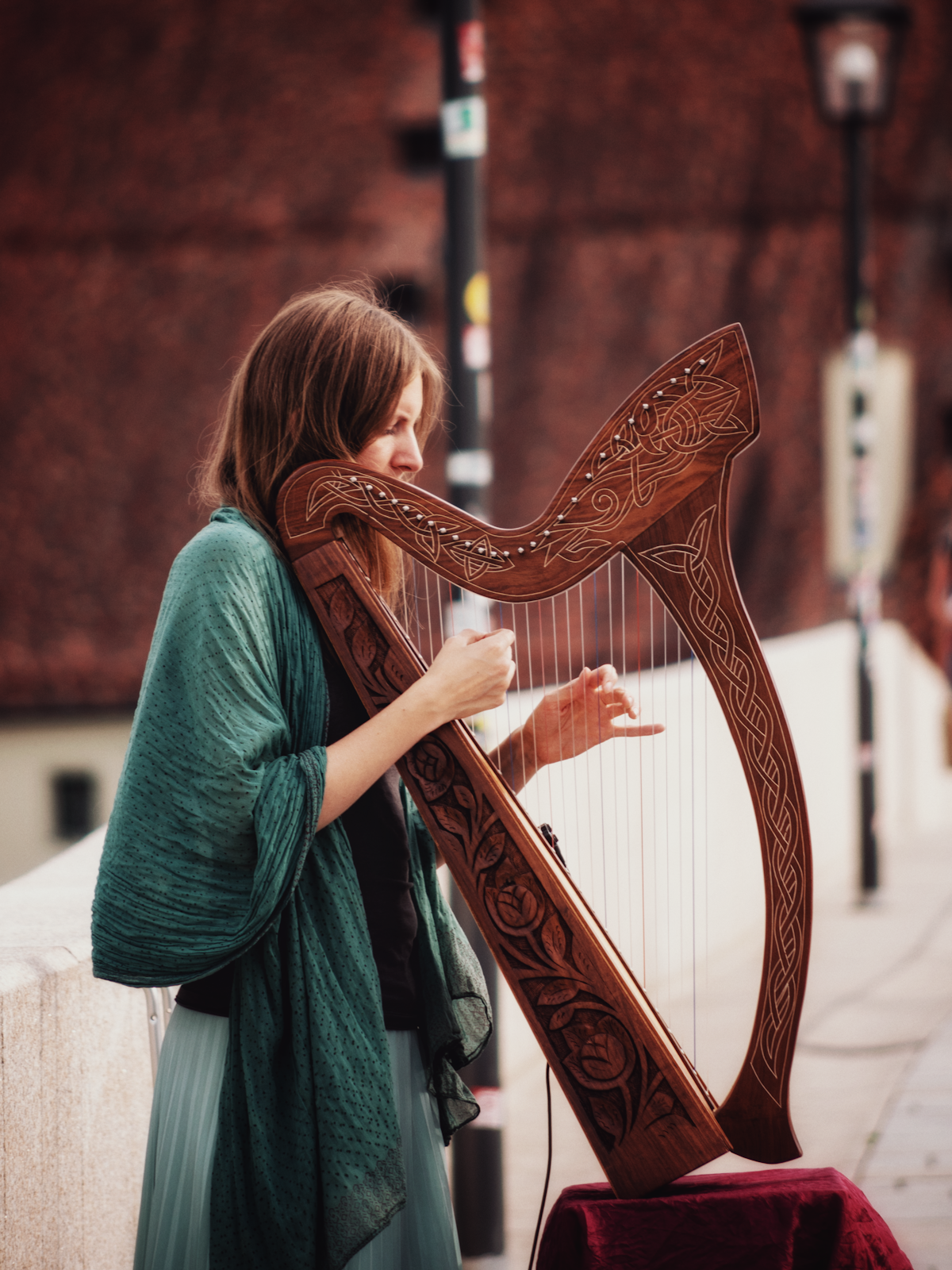
The Irish Tradition
Irish traditional music is the jewel of the Celtic world — a vast repertoire of reels, jigs, hornpipes, polkas, slides, and slow airs that has been passed down through generations of musicians. You will learn the core repertoire by ear, develop the ornamental vocabulary that gives Irish music its distinctive character, and understand the regional styles that distinguish Clare from Donegal, Sligo from East Galway.
Irish music is defined not by the notes on the page but by what happens between them — the rolls, cuts, crans, and slides that give each player a unique voice within a shared tradition. You will develop this ornamental fluency alongside a deep tune repertoire that prepares you for session participation.
- Core repertoire: reels, jigs, hornpipes, polkas, and slow airs
- Ornamentation: rolls, cuts, crans, triplets, and slides
- Regional styles: Clare, Donegal, Sligo, Sliabh Luachra
- Learning by ear: aural transmission and tune memory
Related Traditions
Scottish & Welsh Traditions
Scotland's musical heritage is both distinct from and deeply connected to Ireland's. The Great Highland Bagpipe, the Scottish smallpipes, the fiddle traditions of Shetland and the Highlands, and the puirt-a-beul (mouth music) tradition all carry unique characteristics. Welsh music, with its ancient bardic harp tradition and extraordinary choral singing, adds another dimension to the Celtic tapestry.
You will study the distinctive strathspey rhythm of Scottish fiddle music, the piobaireachd (classical piping) tradition, the Welsh triple harp, and the ways these traditions share roots while developing unique regional identities. You will also explore Breton, Manx, Cornish, and Galician traditions that extend the Celtic world beyond the British Isles.
- Scottish fiddle: strathspeys, reels, and Shetland style
- Highland and Lowland piping traditions
- Welsh harp (telyn) and cerdd dant vocal tradition
- Breton, Galician, and broader Celtic connections
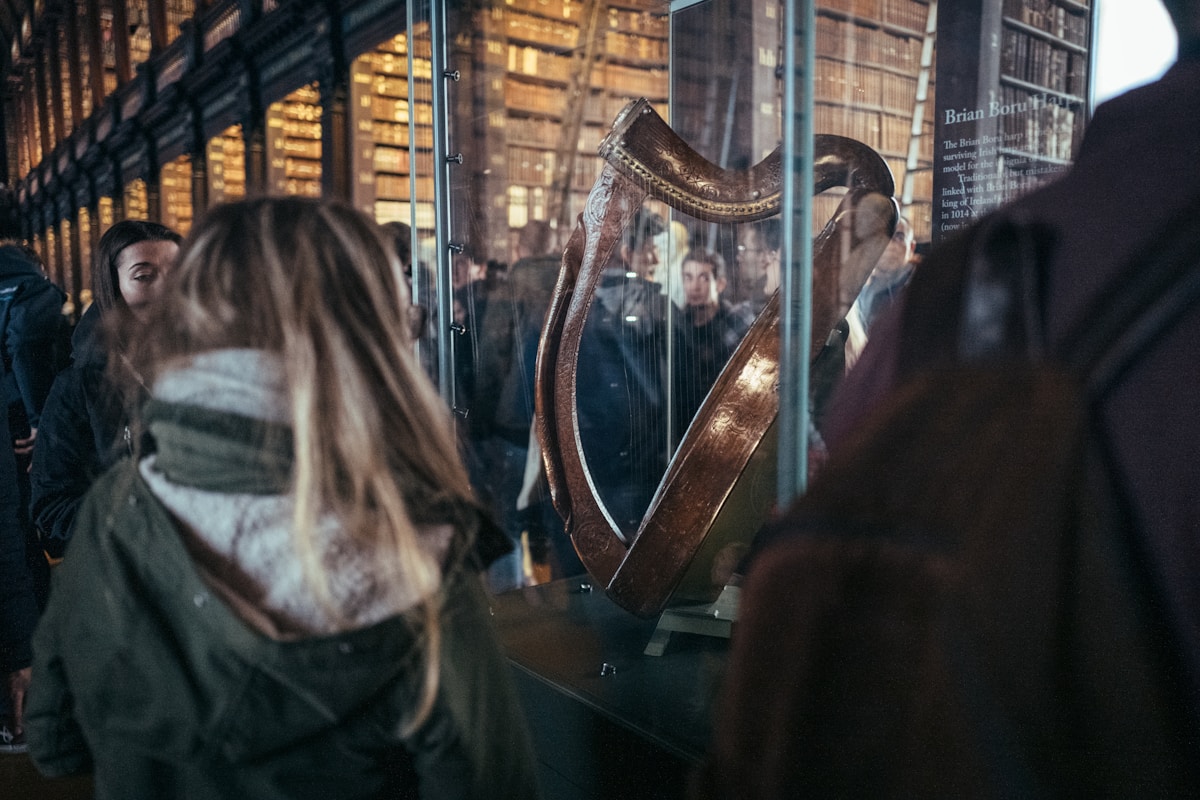
Inspired By Giants
The Artists Who Shaped Celtic Music
These extraordinary musicians and groups brought Celtic traditions to the world stage while keeping the music rooted in its ancient sources. Their artistry is woven into every module of this certificate.
"The tradition is a living thing. It grows when you play it."— Martin Hayes
The Chieftains
Irish Traditional
Brought Irish music to global audiences over six decades
Martin Hayes
Irish Fiddle
East Clare fiddler, meditative approach to traditional music
Sharon Shannon
Button Accordion
Virtuoso accordionist, bridged traditional and contemporary styles
Altan
Donegal Irish
Definitive Donegal sound, fiddle-driven traditional ensemble
Liam O'Flynn
Uilleann Pipes
Master piper, brought uilleann pipes to the concert stage
Planxty
Irish Folk Revival
Revolutionized Irish music in the 1970s with bouzouki and song
Clannad
Irish / Ambient
Donegal family group, pioneered Celtic-ambient-electronic fusion
Davy Spillane
Uilleann Pipes / Low Whistle
Low whistle pioneer, brought Celtic pipes into world music fusion
Instruments & Technique
Pipes, Whistles & Celtic Instruments
Celtic music is defined by its instruments — the uilleann pipes with their haunting regulators and drones, the tin whistle's deceptive simplicity, the concertina's warm push-pull breathing, the bodhran's driving pulse, and the harp that has been Ireland's national symbol for centuries. Each instrument carries a distinct voice and a rich performance tradition.
You will study the technique and repertoire specific to each instrument family, understanding how ornamentation differs between fiddle and flute, how the pipes demand a different approach to phrasing than the whistle, and how accompaniment instruments like guitar, bouzouki, and piano have been integrated into the tradition.
- Uilleann pipes: chanter, regulators, and drone technique
- Tin whistle and wooden flute: breath control and ornamentation
- Concertina and button accordion in Irish music
- Bodhran, bones, and Celtic percussion traditions
Global Diaspora
The Celtic Diaspora
Celtic music did not stay in Ireland and Scotland. It traveled with emigrants to America, Canada, Australia, and beyond, transforming into Appalachian old-time, Cape Breton fiddle, Newfoundland songs, and countless hybrid traditions. This module traces those journeys and explores how the music adapted, survived, and ultimately returned to influence the source traditions.
You will study how Appalachian fiddle tunes connect to Irish and Scottish originals, how Cape Breton preserved archaic Scottish styles, how the folk revival of the 1960s and 70s transformed the tradition, and how contemporary Celtic artists navigate between preservation and innovation.
- Appalachian old-time and its Irish/Scottish roots
- Cape Breton fiddle and the preservation of Scottish tradition
- The folk revival: Clancy Brothers, Dubliners, and beyond
- Contemporary Celtic: Lunasa, Dervish, and modern innovators
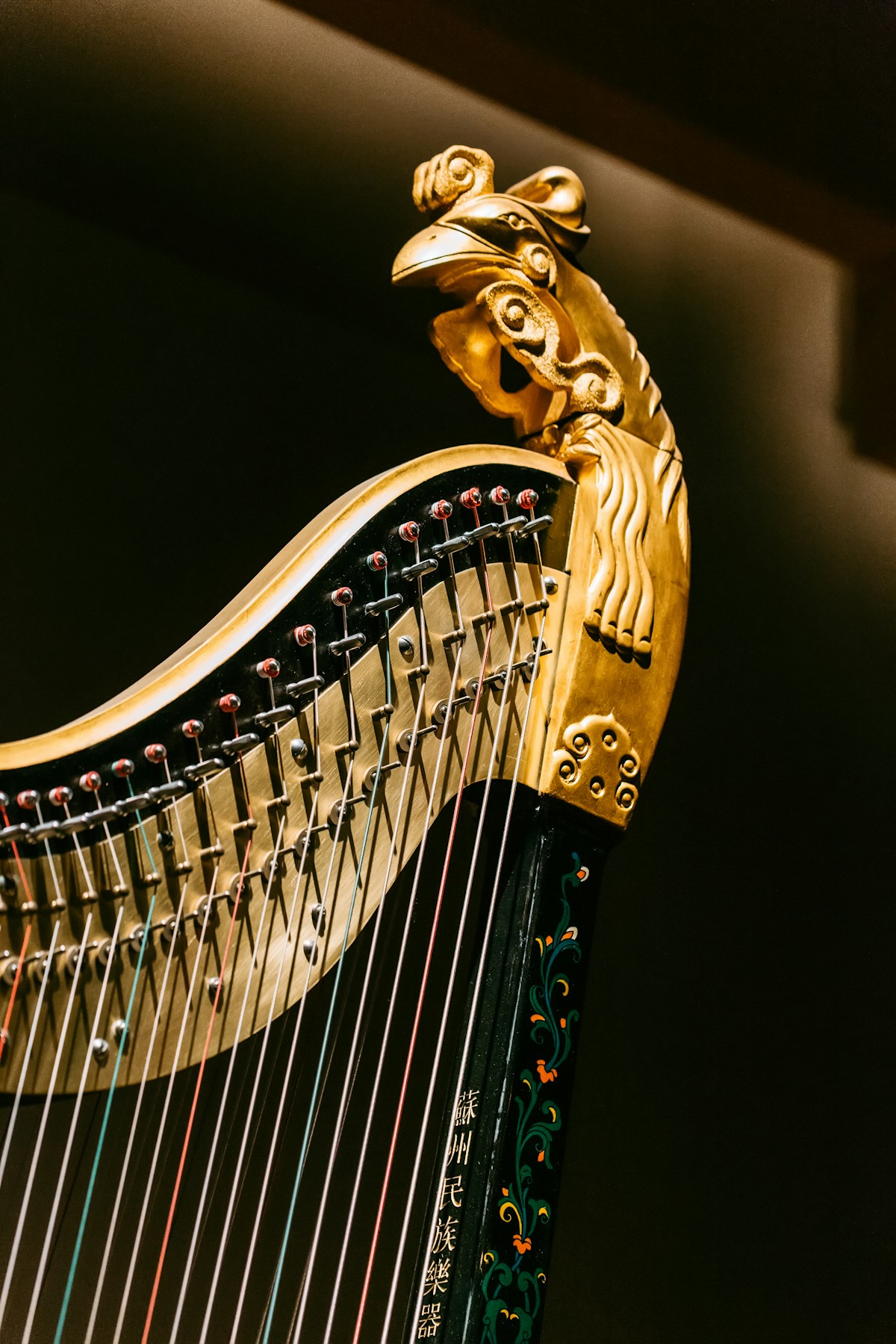
Full Curriculum
What You'll Learn
Six intensive modules covering the depth and breadth of Celtic and folk traditions — from ancient sean-nos singing to contemporary Celtic innovation.
Tune Types & Repertoire
- Reels, jigs, hornpipes, polkas, and slides
- Slow airs, laments, and planxties
- Set dances and their associated tunes
- Building a session repertoire (100+ tunes)
Ornamentation & Style
- Rolls, cuts, crans, triplets, and slides
- Regional style differences: Clare, Donegal, Sligo
- Instrument-specific ornamentation techniques
- Developing a personal voice within tradition
Song & Vocal Traditions
- Sean-nos singing: Connemara and Munster styles
- Ballad tradition: narrative songs and broadside ballads
- Puirt-a-beul (Scottish mouth music)
- Welsh cerdd dant and choral traditions
Scottish & Welsh Traditions
- Scottish fiddle: strathspeys and Shetland reels
- Great Highland Bagpipe and piobaireachd
- Welsh triple harp and bardic tradition
- Breton and Galician Celtic connections
Session Culture & Ensemble
- Session etiquette, set construction, and tune selection
- Accompaniment: guitar, bouzouki, and piano backing
- Bodhran and percussion in the session context
- Ceili band and concert ensemble formats
Diaspora & Contemporary Celtic
- Appalachian connections to Irish and Scottish music
- Cape Breton and Newfoundland traditions
- Folk revival to Celtic Tiger: modern transformations
- Capstone: session performance and tune collection
"A tune is not a fixed thing. It is a conversation between the player and everyone who has ever played it before."
— TGC FacultyYour Final Deliverable
Capstone Session Portfolio
Your capstone is a multi-format portfolio demonstrating authentic command of Celtic musical traditions. You will perform a session set, present a collection of tunes learned by ear, deliver a vocal performance in sean-nos or ballad tradition, and complete a research project on a chosen aspect of Celtic music.
- Session performance: three complete sets (video documented)
- Tune collection: 50+ tunes learned by ear with annotations
- Vocal performance: sean-nos song or ballad set
- Research paper on a regional style, instrument, or tradition
- Peer and faculty review with session participation
Certificate & Badges Awarded
Certificate of Completion
Celtic & Folk Traditions — The Global Conservatory
Digital badges in:
Your 6 Months
The Program Experience
A structured journey from foundational tune learning to session-ready mastery across four progressive phases.
Tunes & Technique
Learn core repertoire by ear, develop ornamentation, and build foundational technique on your chosen instrument. Months 1–2.
Song & Regional Styles
Study sean-nos singing, ballad traditions, and regional style differences. Explore Scottish and Welsh traditions. Months 2–3.
Session & Ensemble
Develop session skills, learn accompaniment, study set construction, and participate in live online sessions. Months 4–5.
Capstone & Session
Complete your tune collection, vocal performance, and research paper. Perform in a full capstone session. Month 6.
Student Voices
What Graduates Say
Real feedback from musicians who completed the Celtic & Folk Traditions certificate.
"Learning tunes by ear instead of from sheet music completely transformed my relationship with traditional music. I can sit into any session now with confidence."
"The ornamentation modules were revelatory. Understanding cuts, rolls, and crans as expressive tools rather than technical exercises changed everything about how I play."
"Having faculty who are active session musicians in Ireland made all the difference. They taught the music as a living, breathing tradition rather than something frozen in time."
Questions
Frequently Asked Questions
Apply Now
Request Information
Ready to immerse yourself in the living traditions of Celtic music? Complete this form and our admissions team will connect with you to discuss the program, assess fit, and answer your questions.
Learn the Tunes. Join the Session.
Celtic music is one of the world's great living traditions — ancient melodies carried forward by each new generation of players. Join The Global Conservatory's Celtic & Folk Traditions certificate and become part of the tradition.
Ready to Begin Your Journey?
Take the first step toward your performing arts education with The Global Conservatory.
For Institutions Bring TGC programs to your students — explore partnership tiers ›