Stem Separation
Evaluate and apply AI stem separation tools. Understand their limitations, artifacts, and best use cases for remixing, restoration, and production.

NextGen Music & AI — AI-Powered Production & Mixing
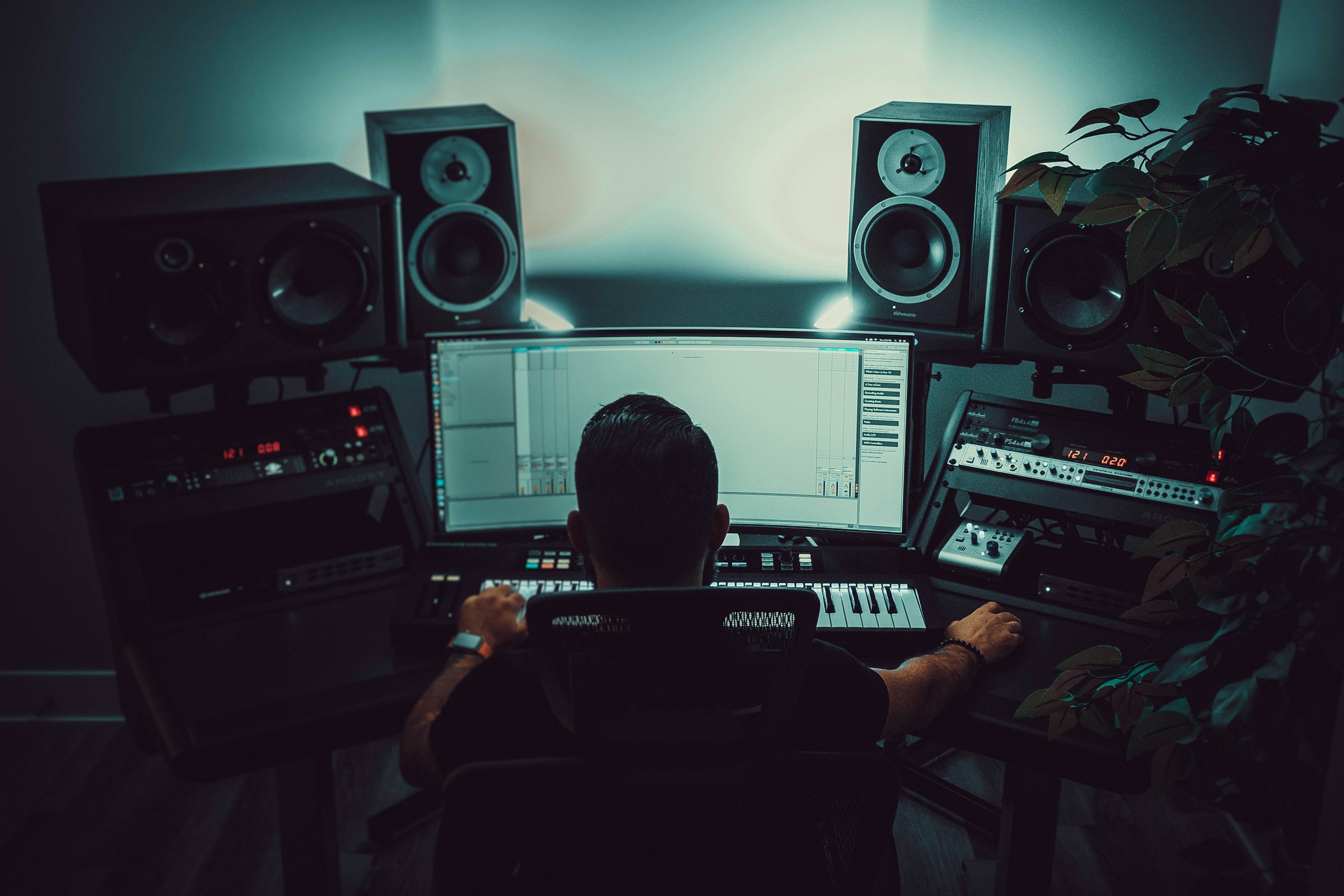
Master AI-assisted mixing, mastering, stem separation, and production workflows while maintaining your sonic vision, quality standards, and professional ethics.
AI is transforming how music gets mixed, mastered, and produced. From instant stem separation to automated mastering, these tools promise efficiency — but also raise questions about quality, authenticity, and professional practice.
This course teaches you to integrate AI production tools into professional workflows without sacrificing sonic quality or creative control. You'll learn when these tools help and when they fall short.
The goal: Accelerate your production process while maintaining the standards that define professional work.
Develop practical skills for integrating AI into professional production workflows responsibly and effectively.
Evaluate and apply AI stem separation tools. Understand their limitations, artifacts, and best use cases for remixing, restoration, and production.
Use AI mix assistants as starting points, not endpoints. Learn to guide automated suggestions toward your sonic vision.
Understand AI mastering services — their algorithms, limitations, and when human mastering remains essential. Develop hybrid workflows.
Apply AI-powered noise reduction, click removal, and audio restoration. Know when automated tools help and when they introduce artifacts.
Use AI reference-matching tools to analyze and approach target sonics. Maintain artistic identity while meeting genre expectations.
Develop QC frameworks for AI-assisted production. Navigate disclosure, copyright, and professional standards for AI use in commercial work.
A disciplined approach that uses AI to accelerate — not replace — critical listening.
Listen critically first. Identify what the track needs before reaching for any tool — AI or otherwise.
Use AI tools for specific tasks: stem extraction, noise reduction, starting-point suggestions. Never automate blindly.
Check AI output against professional standards. Listen for artifacts, loss of dynamics, or unintended changes.
AI provides suggestions. Your ears make decisions. Always finish with manual adjustment and final QC.
AI can suggest a starting point. It cannot hear what the song needs to become.
We focus on methodology and critical evaluation. Tools change — the ability to assess them doesn't.
AI production tools raise professional questions that traditional mixing courses don't address: When should you disclose AI use to clients? What happens when AI tools are trained on copyrighted material? What quality standards apply?
These questions don't have simple answers yet. We teach you to navigate them thoughtfully as the industry develops standards.
When should clients know about AI assistance? What quality benchmarks must AI output meet? How do you maintain professional accountability when using automated tools?
Many AI production tools are trained on commercial recordings. We examine the ethical implications and help you make informed choices about which tools to use.
The kind of work participants might produce — each demonstrating professional AI integration.
Evaluate multiple stem separation tools on the same source material. Document artifacts, quality differences, and optimal use cases.
Document an AI-assisted mixing workflow: what the assistant suggested, what you changed, why your judgment differed.
Compare AI mastering results against human mastering. Identify where automated services fall short and where they deliver acceptable results.
Apply AI restoration to problematic source material. Document the process, limitations encountered, and manual corrections required.
Create professional templates for disclosing AI assistance in production work — for different client types and project contexts.
Build a quality control checklist specifically for AI-assisted production — what to listen for, what artifacts to catch.
Mix engineers looking to accelerate workflows without compromising quality standards
Producers wanting to integrate AI tools responsibly into their production process
Mastering engineers evaluating where AI assistance fits in professional mastering workflows
Audio restoration specialists exploring AI-powered cleanup and enhancement tools
Studio professionals needing to advise clients on AI production capabilities and limitations
Yes. This course assumes you have production or mixing experience. We focus on integrating AI into existing workflows — not teaching mixing fundamentals. You should already understand gain staging, EQ, compression, and basic signal flow.
AI is changing what mix engineers do, but critical listening, taste, and client communication remain human skills. The course helps you position AI as a tool that accelerates your work rather than a threat to your value.
It depends on the material and standards. We evaluate when automated mastering delivers acceptable results and when human mastering remains essential. You'll develop frameworks for making this judgment yourself.
Industry standards are still developing. The course helps you develop disclosure practices appropriate for different contexts — from independent artists to major label work. Transparency is generally the safest approach.
Quality varies significantly by tool and source material. We examine current capabilities, typical artifacts, and appropriate use cases — from remixing to restoration to sampling preparation. You'll learn to evaluate results critically.
Join the Interest List for AI-Powered Production & Mixing. Be notified when enrollment opens, receive curriculum previews, and connect with professionals exploring the same questions.
AI-Powered Production & Mixing — Coming 2028–2029
Take the first step toward your performing arts education with The Global Conservatory.
For Institutions Bring TGC programs to your students — explore partnership tiers ›