Real-Time Feedback
Use AI tools that listen as you play, detecting pitch accuracy, rhythm precision, and tempo stability. Learn to interpret feedback and translate it into improvement.

NextGen Music & AI · AI for Instrumental Practice

Leverage AI-powered tools to enhance your instrumental practice, receive real-time feedback, track progress, and accelerate technical and musical development.
AI can now listen to your playing, analyze your technique, and provide feedback in real time. Tools detect pitch, rhythm, dynamics, and even aspects of tone quality, offering insights that previously required a teacher in the room.
But tools don't replace human instruction. They extend it. This course teaches you to use AI practice assistants effectively, making the most of practice time between lessons and developing self-awareness that accelerates growth.
The goal: More productive practice, faster progress, deeper self-knowledge as a player.
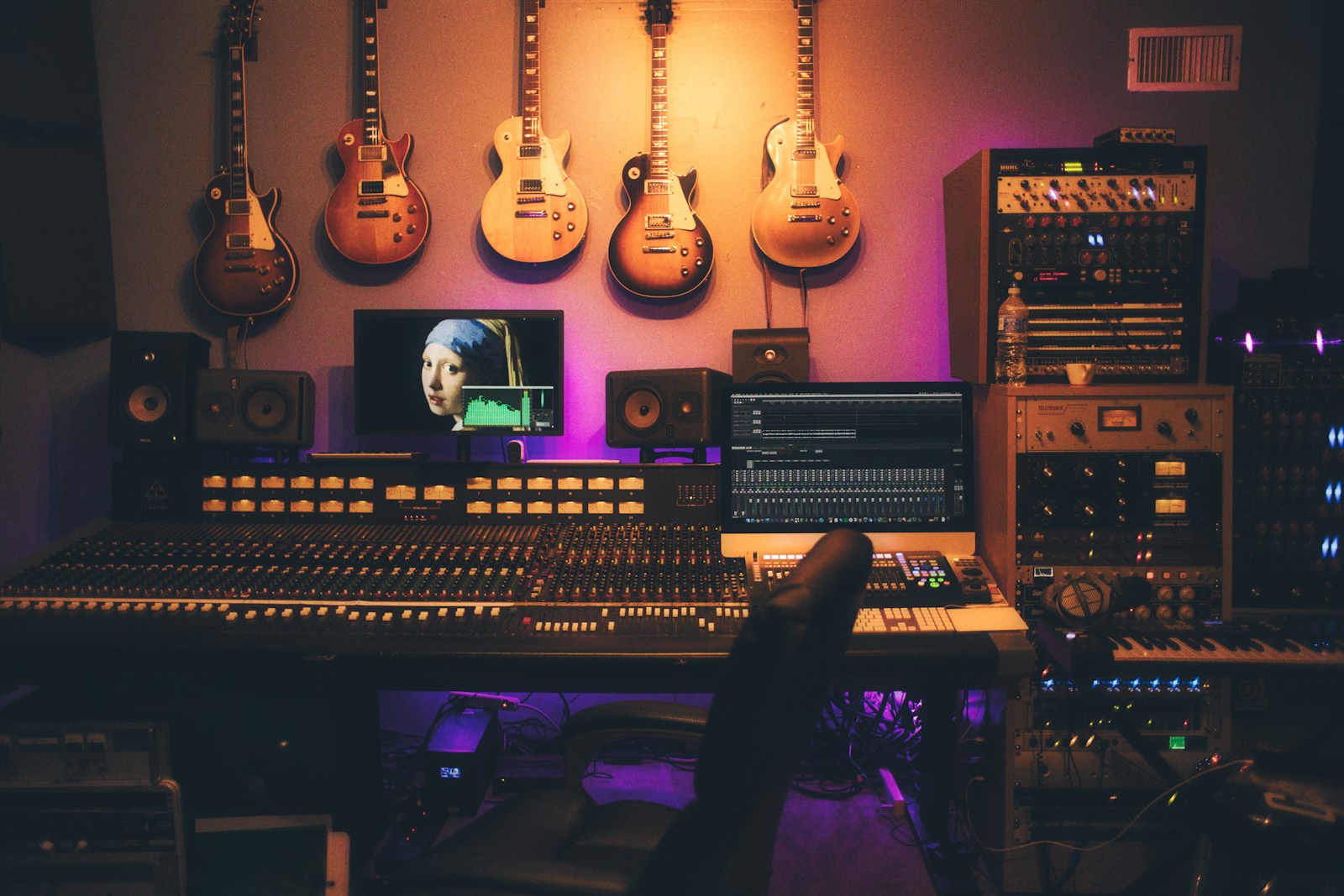
Master AI practice tools while developing the self-awareness that makes practice effective.
Use AI tools that listen as you play, detecting pitch accuracy, rhythm precision, and tempo stability. Learn to interpret feedback and translate it into improvement.
Record and analyze your development over time. See which passages improve, which need work, and how your playing evolves across weeks and months.
Work with intelligent metronomes and accompaniment systems. Practice with tools that adapt to your playing while building rock-solid timing.
Practice with AI accompanists that follow your tempo, respond to your interpretation, and provide the context of ensemble playing when you practice alone.
Record practice sessions and performances. Use AI tools to analyze recordings, compare interpretations, and identify patterns in your playing.
Organize your repertoire with AI assistance. Track what you're learning, maintain pieces you've learned, and plan systematic skill development.
A structured approach that maximizes the value of practice time.
Define what you're working on today. Specific passages? Tempo targets? Technical challenges? AI works best when you know what you're trying to achieve.
Engage AI tools as you work. Listen to feedback, make adjustments, repeat. Use the tools to hear what you might miss about your own playing.
Capture your practice. Listen back with analytical tools. Compare to your goals. Note what improved and what still needs work.
Use progress data to plan tomorrow's work. Build on successes. Address persistent challenges. Let data inform your practice, not replace your judgment.
AI feedback is fastest when you practice. Your ears and musical judgment are what make it meaningful.
We focus on tools that genuinely help, tested and evaluated for real musicians.
AI practice tools can become a distraction or a crutch if used poorly. The goal isn't to optimize for metrics; it's to become a better musician. Data serves that goal, not the other way around.
We teach critical evaluation of practice tools. Not every app helps. Not every feature matters. Learn to select tools that genuinely serve your development and ignore the rest.
AI can measure pitch and rhythm. It can't measure musical expression, phrasing, or emotional impact. The best practice combines measurable feedback with human musical judgment.
AI tools extend what teachers can do, they don't replace them. We emphasize integrating AI practice with ongoing instruction from human teachers.
Practical applications that demonstrate effective AI-enhanced practice.
Select a challenging passage and document your progress using AI tools. Track tempo improvement, accuracy gains, and identify when the passage is "learned."
Use pitch analysis tools to examine your intonation patterns. Identify tendencies, develop awareness, and measure improvement over time.
Record multiple takes and analyze tempo consistency. Identify where you rush or drag, and develop strategies for more stable tempo control.
Design and test different practice approaches. Use progress data to evaluate what works best for you: technique, musicality, and retention.
Use AI accompaniment to prepare ensemble repertoire. Practice your part with intelligent backing that responds to your interpretation.
Test and compare practice tools for your instrument. Document which features actually help your practice and which are marketing fluff.
Intermediate to advanced instrumentalists looking to practice more effectively
Music students wanting to maximize progress between lessons
Music teachers exploring AI tools to recommend to students
Adult learners returning to an instrument with limited practice time
Self-directed learners without regular access to a teacher
The course covers tools for most common instruments: piano, strings, winds, brass, guitar, and voice. Some tools are instrument-specific; others work broadly. We help you find and evaluate tools for your instrument.
AI tools don't improve your playing directly; you do that through practice. But AI can make practice more efficient by providing feedback you might miss, tracking progress objectively, and helping you focus on what needs work.
Yes, if you're serious about development. AI tools can't replace the musical insight, personalized guidance, and artistic mentorship a good teacher provides. They make practice between lessons more productive.
A smartphone or tablet works for many tools. For better results, a decent microphone helps. Some tools benefit from MIDI connections if your instrument supports it. We provide specific recommendations during the course.
The course is designed for intermediate to advanced players who already have basic technique and can benefit from detailed feedback. Complete beginners may find some tools less useful until they've established fundamentals.
Join the Interest List for AI for Instrumental Practice. Be notified when enrollment opens and receive curriculum previews that help you make the most of every practice session.
AI for Instrumental Practice · Coming 2028–2029
Take the first step toward your performing arts education with The Global Conservatory.
For Institutions Lessons, classes and coaching for your school or organisation — see what we offer ›