

DRAMA DIVISION / MOVEMENT & PHYSICAL THEATRE
Private lessons open now · Next intake September 2027
Movement & Physical Theatre
The body is the actor's second instrument, and for many traditions, the first. Movement training develops physical expressiveness, spatial awareness, and the capacity to tell a story without words.
The body as storytelling instrument
Long before Stanislavski asked actors to find the character's inner life, Jacques Copeau was asking them to find the character's body. Long before the Method reached New York, Jacques Lecoq was teaching actors in Paris that the mask, the clown, and the neutral body reveal more truth than any emotional memory ever could.
Physical theatre is not a genre; it is a foundation. Every actor needs a trained body, just as every actor needs a trained voice. The actor who can only work from the neck up is missing most of the instrument. The actor who understands how the body communicates (through posture, gesture, rhythm, tension, and release) has access to a vocabulary that words alone cannot provide.
At The Global Conservatory, movement and physical theatre are taught as essential components of the actor's training, not optional supplements. Our faculty draw from the major physical theatre traditions of the twentieth and twenty-first centuries, bringing this work to students anywhere in the world.
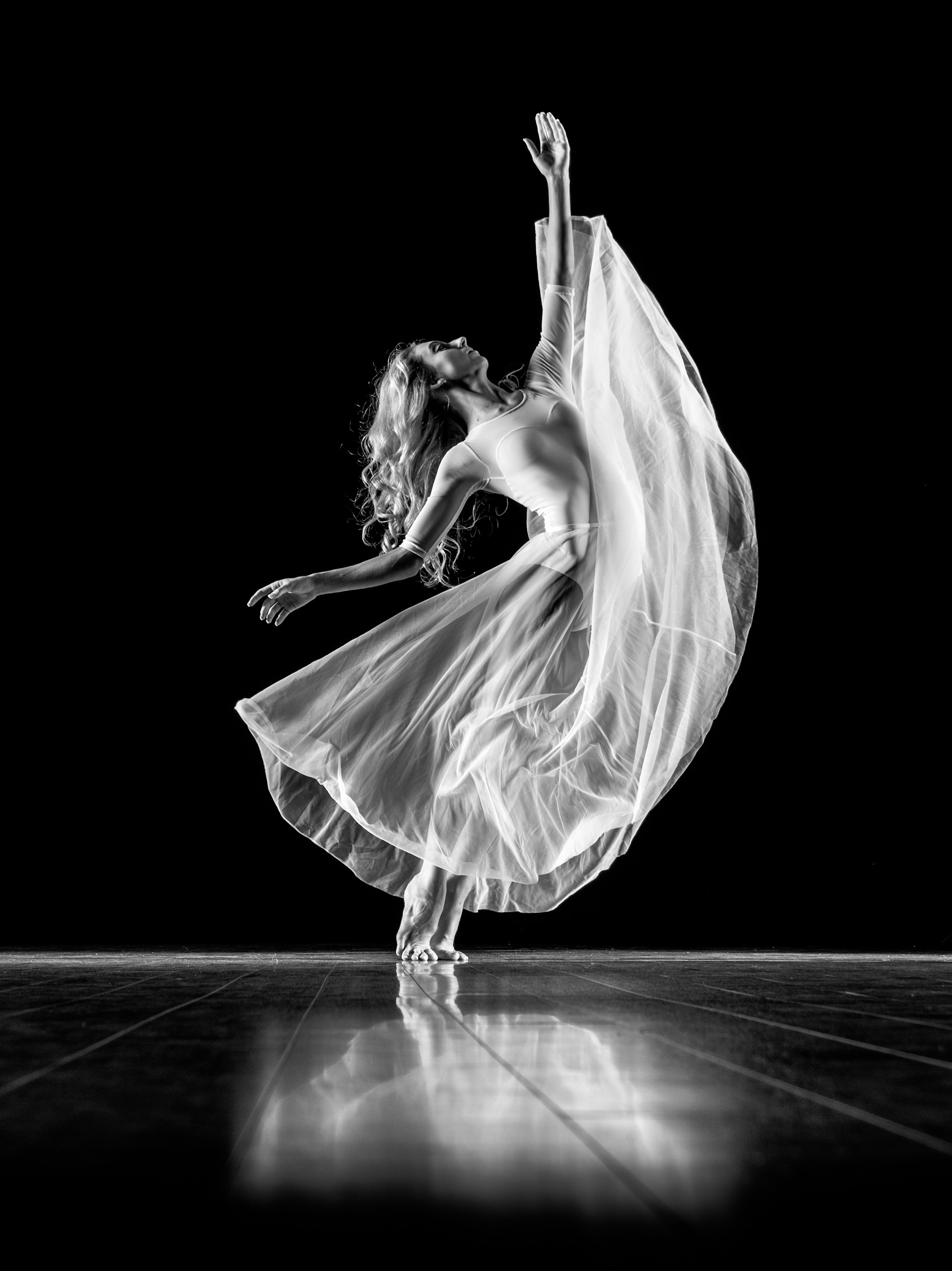
THE FOUNDATION
Why movement training matters
The body communicates before the mouth opens. An audience reads posture, gesture, and rhythm before they process a single word. Movement training makes the actor conscious of what the body is already saying, and gives them the tools to say something different.
- Tension blocks impulse: an actor who holds tension in their shoulders, jaw, or hips cannot respond freely. Movement training identifies and releases these blocks.
- Character lives in the body: a seventy-year-old king does not move like a twenty-five-year-old soldier. A Chekhovian schoolteacher does not move like a Shakespearean tyrant. You need a physical vocabulary to make these distinctions.
- Stage space is meaning: where you stand, how you cross, when you stop: these are dramatic choices, not random wandering. Movement training makes you conscious of space.
- The camera magnifies everything: on screen, physical habits and tensions are impossible to hide. Movement training builds the precision and economy that camera work demands.
The major traditions
At The Global Conservatory, students encounter the major physical theatre traditions of the modern era. Each faculty member brings their own lineage; what matters is the result.
LECOQ
The Body as Primary Instrument
Jacques Lecoq's pedagogy is the most influential physical theatre training of the twentieth century. Neutral mask, expressive mask, clown, bouffon, melodrama, tragedy. Understanding the body as the primary storytelling instrument.
VIEWPOINTS
Time and Space
Developed by Mary Overlie and extended by Anne Bogart and the SITI Company. A vocabulary of time and space: tempo, duration, kinesthetic response, spatial relationship, topography, shape, gesture, repetition, architecture.
SUZUKI
The Grammar of the Feet
Tadashi Suzuki's method builds extraordinary presence and physical discipline through extreme lower-body grounding, stamping exercises, and breath-voice connection. The foundation is the feet.
LABAN
Movement Analysis
Rudolf Laban's system for understanding and varying the quality of movement. Effort, shape, space, body. Is it sustained or sudden? Direct or indirect? Light or strong? A vocabulary for physical choice-making.
ALEXANDER
Physical Re-Education
Not a performance method but a practice of releasing habitual tension so the body can respond naturally. Standard training at most major drama schools. The actor learns to stop doing what is unnecessary.
STAGE COMBAT
Safe, Dramatic Violence
Unarmed combat, rapier and dagger, broadsword, quarterstaff. Safe, repeatable, dramatically convincing violence for the stage. A specialised physical discipline with its own rigorous technique.
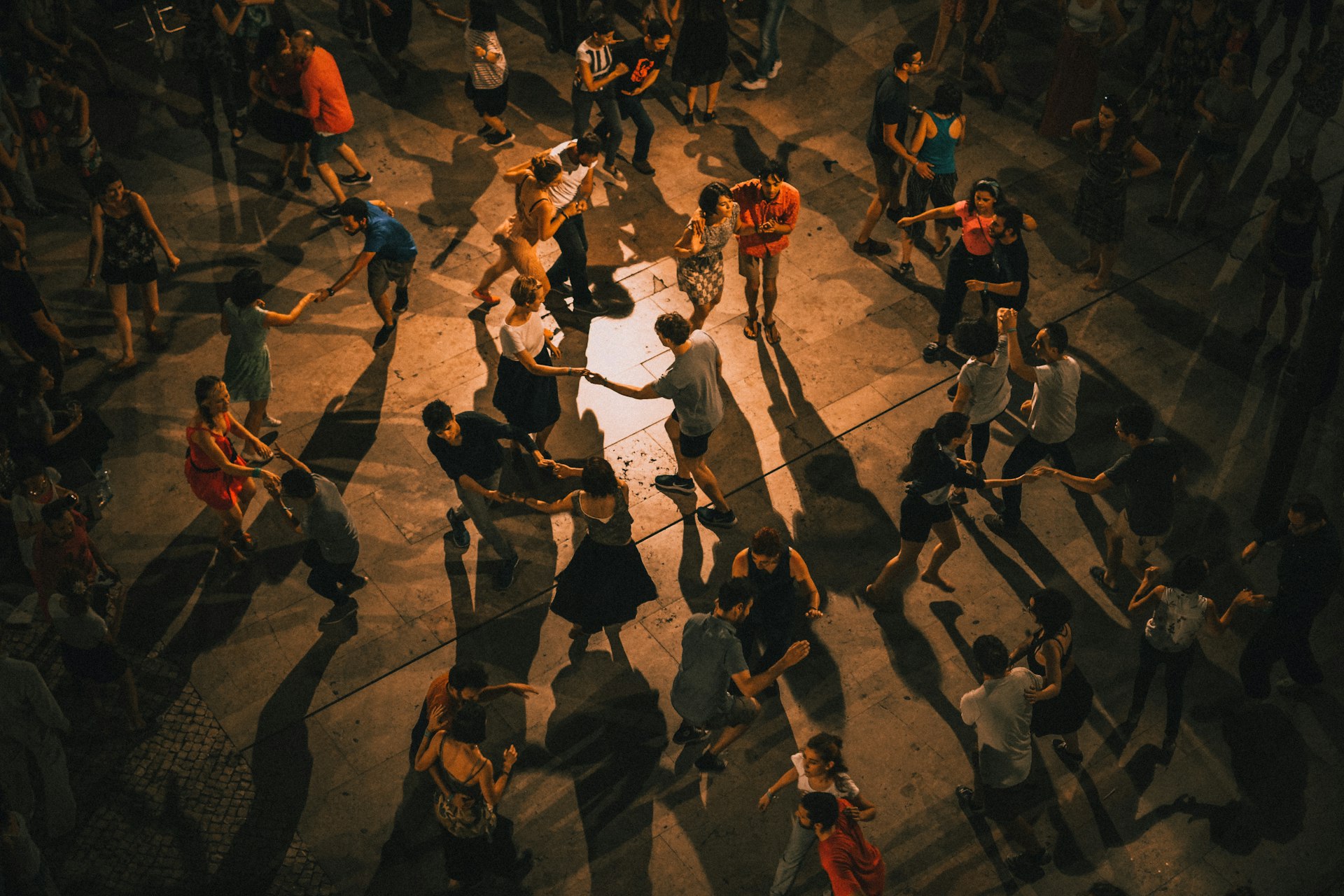
What a movement session looks like
Whether working on Lecoq mask technique, Viewpoints composition, or Suzuki training, sessions follow a structured arc from physical preparation through exploration to application.
Warm-Up
Full-body work: spine rolls, joint articulation, dynamic stretching, grounding exercises. Preparing the body to be available, responsive, and free of unnecessary holding.
Exploration
Guided improvisations: moving through space with awareness of tempo, level, direction, and relationship to others. Discovering what the body wants to do when the mind stops directing.
Technique
Focused practice in a specific tradition: Suzuki stomping, Laban effort actions, Viewpoints composition, mask work. Building a physical vocabulary through disciplined repetition.
Application
Taking the physical discoveries into a scene, a speech, or a devised sequence. How does this body change the way you speak, listen, and respond? This is where technique becomes art.
Reflection
What did you notice? Where did you resist? What opened up? Movement training is cumulative; each session builds awareness that carries into everything you do on stage and screen.
THE ONLINE STUDIO
Movement for the online actor
Can physical theatre be taught online? It can, and for some elements, it works surprisingly well:
- Camera reveals everything: on screen, physical habits, tensions, and choices are magnified. Students learn precision faster.
- Spatial awareness translates: Viewpoints and spatial exercises adapt to any room. Your living room becomes your studio.
- Solo body work is ideal for distance: Alexander Technique, Suzuki training, Laban explorations: all of these can be guided effectively by a skilled teacher via video.
- Recording is a teaching tool: students can review their own movement, something impossible in a live studio class.
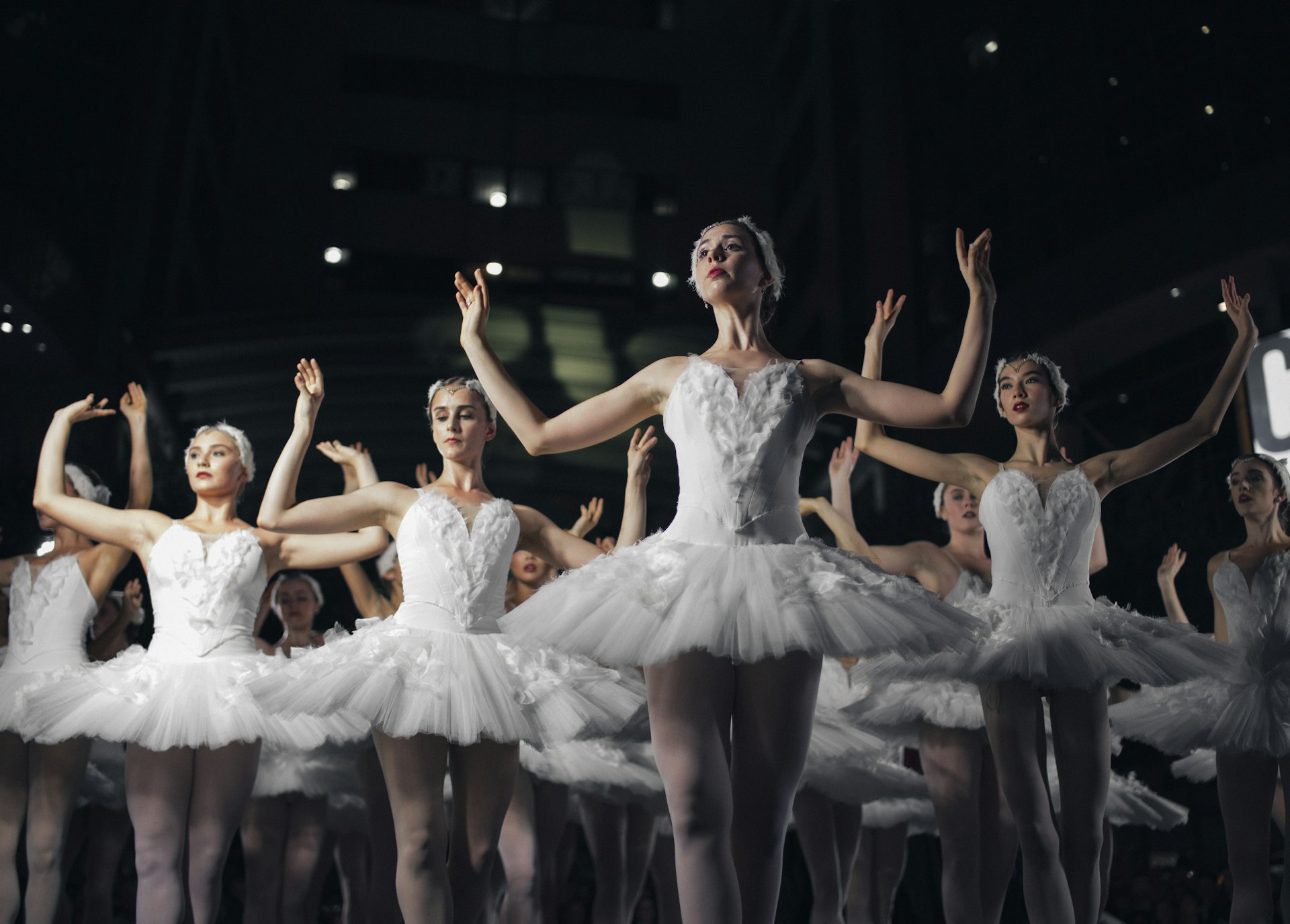
Who this is for
- Actors who feel stuck in their head: if you analyse but cannot physicalize, movement training will change everything.
- Drama school applicants: many programmes require a movement component. Arriving with training gives you a clear advantage.
- Screen actors: on-camera work demands physical economy and precision. Movement training builds both.
- Devised theatre makers: if you create your own work, physical theatre is one of your essential languages.
- Singers and musical theatre performers: connecting the body to the voice, building stage presence, and moving with intention while singing.

Who teaches drama here
Private lessons are open now. Choose a teacher, see the price, and book directly.
The whole faculty, by instrument →
Also in the Drama Division
Train Your Body
Work with a movement specialist who can see what you cannot feel, and help you build a physical instrument equal to your imagination.