
Global Youth
Wind EnsembleRedefining the art of wind band performance
Wind Ensemble Program · Ages 14–21
Two weeks of intensive wind ensemble artistry — from the foundational works of Holst and Grainger to world premieres by today's most exciting composers.
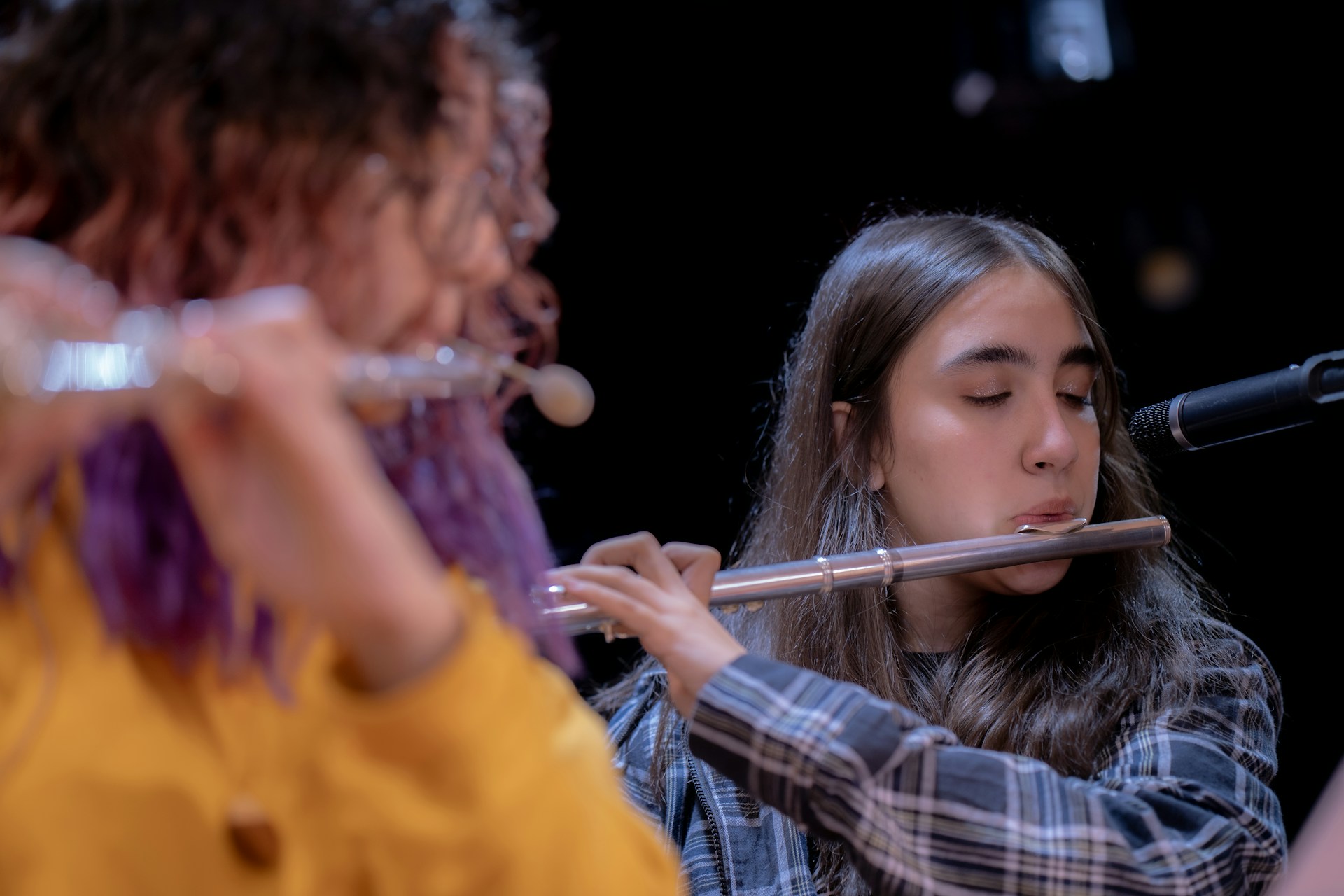
The Global Youth Wind Ensemble is The Global Conservatory's elite concert wind ensemble — a two-week summer intensive bringing together 55 of the world's most talented young wind and percussion players for an immersive exploration of the wind band's extraordinary repertoire. This is not a marching band. This is not a pep band. The GYWE treats the wind ensemble as what Frederick Fennell envisioned: a concert medium of equal artistic stature to the symphony orchestra.
From the towering suites of Holst and Grainger through the mid-century innovations of Persichetti, Schwantner, and Colgrass, to the brilliant contemporary voices of John Mackey, Jennifer Higdon, and Omar Thomas — the GYWE performs repertoire that demands the highest technical and musical standards. Members are selected by international audition and represent the finest young wind players from conservatories, music schools, and youth ensembles worldwide.
Our Philosophy
The wind ensemble is one of music's most versatile and democratic mediums. Unlike the orchestra, whose instrumentation was largely fixed by the 19th century, the wind ensemble is a living, evolving art form — every generation of composers reinvents what it can sound like.
The GYWE exists to champion this repertoire at the highest level, performed by young musicians who understand that wind band music is not a stepping stone to the orchestra — it is a destination of equal artistic merit. From Fennell to Battisti to Corporon, the great wind ensemble conductors have proven this. Our students carry that legacy forward.
Instrument Families
The Wind Ensemble Configuration
The GYWE fields a flexible concert wind ensemble with instrumentation tailored to each season's repertoire. Every chair is filled by audition from an international applicant pool.
Woodwinds (22 players)
Flutes (including piccolo and alto flute), oboes (including English horn), clarinets (including E-flat, bass, and contrabass), bassoons (including contrabassoon), and saxophones (soprano through baritone). Daily sectional rehearsals focus on blend, intonation, and the unique timbral challenges of woodwind writing.
Brass (18 players)
Trumpets, horns, trombones (including bass trombone), euphoniums, and tubas. The brass section works on the rich chorale and fanfare traditions of wind band literature, from the Gabrieli-influenced writing of Holst through the athletic brass demands of Maslanka and Mackey.
Percussion (8 players) & Piano/Harp
Timpani, mallet percussion (marimba, vibraphone, xylophone, bells), snare drum, bass drum, cymbals, and auxiliary percussion. Modern wind ensemble repertoire demands extraordinary percussive versatility — from the delicate mallet work of Schwantner to the driving rhythmic energy of Mackey.
Repertoire
The Wind Band Canon & Beyond
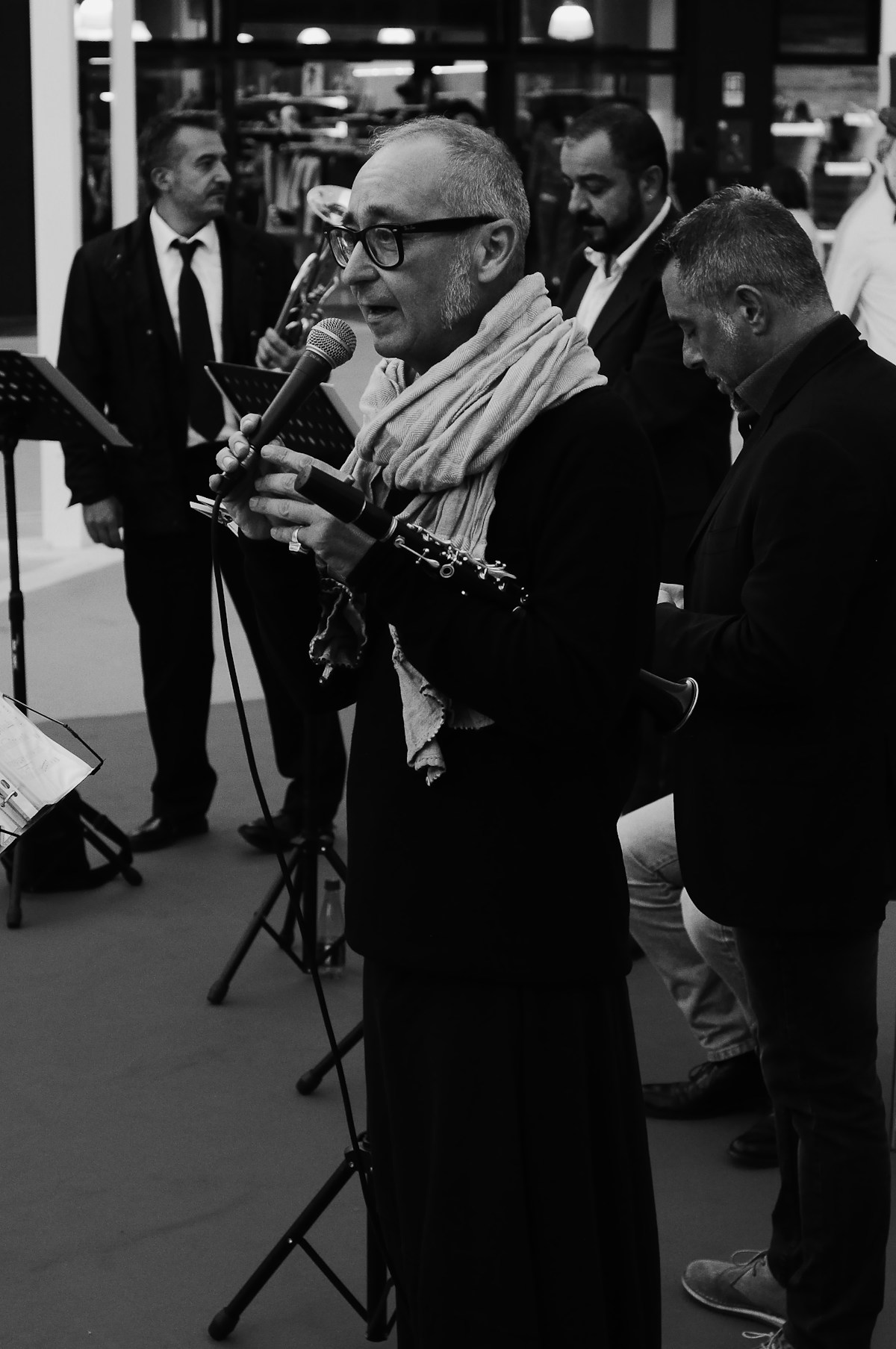
The GYWE repertoire is curated to showcase the full depth and range of wind ensemble literature. Each season's program includes cornerstone works from the established canon alongside new commissions and recent compositions that push the boundaries of what winds and percussion can achieve.
A typical GYWE season might open with Holst's First Suite in E-flat — the Magna Carta of wind band repertoire — proceed through Grainger's Lincolnshire Posy, Persichetti's Symphony for Band, and a major work by Schwantner or Colgrass, and culminate in a world premiere commission from a rising contemporary voice. Composers attend the final rehearsals and premiere, working directly with the musicians.
- Foundation repertoire: Holst, Grainger, Vaughan Williams, Hindemith, Persichetti
- Modern masterworks: Schwantner, Colgrass, Maslanka, Gandolfi, Corigliano
- Contemporary voices: John Mackey, Jennifer Higdon, Omar Thomas, Michael Markowski
- Annual world premiere commission from an emerging or established composer
The wind ensemble has its own literature, its own voice, and its own greatness. We play it at the level it deserves.
Masterclasses
Instrument Family Clinics & Coaching
Beyond full ensemble rehearsals, the GYWE dedicates significant time to instrument-specific masterclasses and clinics. Each instrument family works daily with a specialist coach — professional players drawn from major orchestras, military bands, and university faculties who bring decades of experience in wind playing at the highest level.
Clinics cover technique, tone production, intonation, articulation, and the specific challenges of wind ensemble repertoire. Particular emphasis is placed on ensemble intonation and balance — the skills that separate good wind players from great ensemble musicians. Players also participate in chamber wind workshops, forming quintets, sextets, and mixed chamber groups.
- Daily instrument family sectionals with professional specialist coaches
- Masterclasses on tone, articulation, vibrato, and projection
- Ensemble intonation clinics using tuning machines and listening exercises
- Chamber wind coaching: quintets, sextets, and mixed ensembles
Great ensemble playing begins with great individual players who know how to listen.
Inspired by Pioneers
Wind Ensemble Visionaries
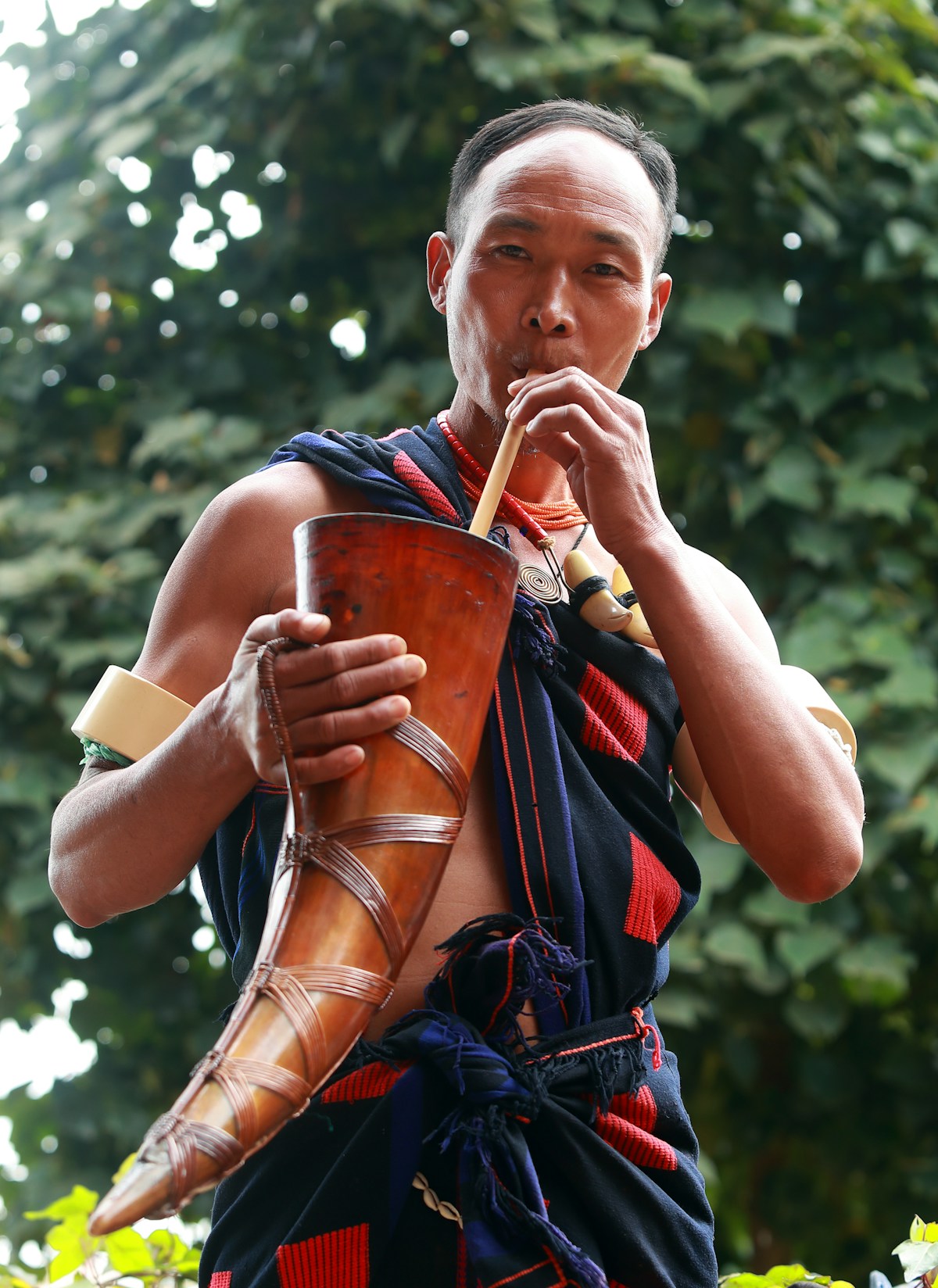
The conductors, composers, and advocates who elevated the wind ensemble from a functional medium to a concert art form of the highest order. Their legacy drives every GYWE rehearsal.
"The wind ensemble is the most flexible and colorful of all concert media."— Attributed to wind ensemble tradition
Frederick Fennell
Conductor / Pioneer
Founded the Eastman Wind Ensemble in 1952, invented the modern concept of the wind ensemble as a concert medium
John P. Paynter
Conductor / Educator
Northwestern University, elevated university wind ensemble programming to internationally accomplished concert standards
Frank Battisti
Conductor / Advocate
New England Conservatory Wind Ensemble, commissioned hundreds of new works, expanded the serious repertoire
Eugene Corporon
Conductor
University of North Texas Wind Studies, Grammy-nominated recordings, champion of new wind literature
John Mackey
Composer
Redefined contemporary wind band writing with visceral energy, brilliant orchestration, and athletic demands
Jennifer Higdon
Composer
Pulitzer Prize winner, writes for winds with orchestral sophistication and luminous color
Omar Thomas
Composer
Brings jazz, gospel, and social justice themes to wind ensemble with emotional directness and rhythmic vitality
David Maslanka
Composer
Symphonic wind works of profound spiritual depth, his symphonies for wind ensemble are among the genre's greatest achievements
Score Study
Understanding the Architecture of Sound
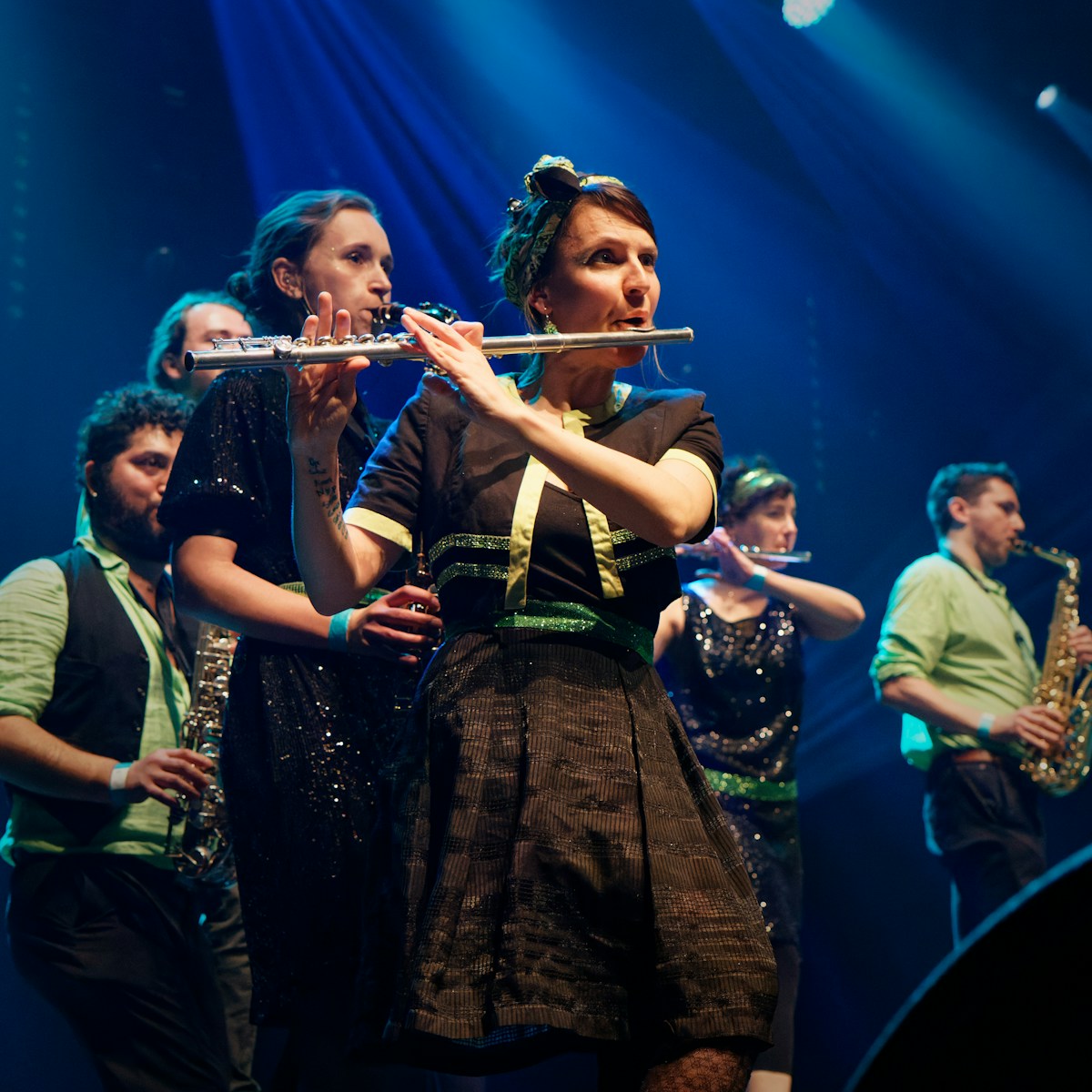
The GYWE is not just about playing notes. Dedicated score study sessions ensure that every musician understands the compositional architecture, historical context, and artistic intent behind each programmed work. When you understand why Grainger scored Lincolnshire Posy the way he did — his obsession with folk song inflection and his rejection of conventional band orchestration — you play the piece differently.
Score study is led by the artistic director and includes analysis of form, harmonic language, orchestration technique, and the specific interpretive challenges of each work. Musicians learn to read and interpret conductor's scores, not just their own parts, developing the comprehensive musicianship that distinguishes true ensemble artists.
- Formal analysis and harmonic language for each programmed work
- Historical context: composer biography, commission history, premiere reception
- Orchestration study: how composers use wind and percussion timbres
- Full score reading skills for comprehensive musical understanding
When every player understands the whole score, the ensemble plays with a single musical mind.
Performances
Concert Hall & Festival Stage
The GYWE performs three concerts during the two-week session: a formal concert hall premiere of the full program, an outdoor festival performance, and a community engagement concert. The formal concert is recorded professionally and made available to all participants for their portfolios and applications.
The outdoor festival performance reflects the wind band's unique historical connection to civic life and public celebration. Wind bands have played in parks, on bandstands, and at public gatherings for centuries — the GYWE honors that tradition while presenting repertoire of the highest artistic caliber. Past performances have taken place at international wind band festivals in the Netherlands, Japan, and the United States.
- 1 formal concert hall performance with professional recording
- 1 outdoor festival performance honoring wind band civic traditions
- 1 community engagement concert in a school or community center
- World premiere performance of the season's commissioned work
The wind band belongs to the concert hall and to the public square. We play in both with equal conviction.
Full Program
What You'll Experience
Six dimensions of the GYWE program, designed to develop complete wind ensemble musicians with the technique, musicianship, and artistic vision to lead the next generation of wind playing.
Ensemble Repertoire
- 5–7 works spanning the full wind ensemble canon
- At least 1 world premiere from a commissioned composer
- Score study sessions with historical and analytical context
- Rehearsal of cornerstone works: Holst, Grainger, Persichetti, Schwantner
Sectional Training
- Daily sectionals by instrument family with specialist coaches
- Tone production, articulation, and projection workshops
- Ensemble intonation and balance clinics
- Doubling instrument workshops (piccolo, English horn, bass clarinet, etc.)
Chamber Winds
- Pre-assigned chamber groups: woodwind quintets, brass quintets, mixed ensembles
- Coached rehearsals with chamber music faculty
- Chamber recital during the second week
- Cross-section ensembles building relationships across the ensemble
Conducting Workshop
- Introduction to wind ensemble conducting technique
- Each participant conducts the ensemble in a short passage
- Score preparation and rehearsal planning methodology
- Observation and analysis of guest conductors' approaches
Audition Preparation
- Mock audition sessions with professional panel feedback
- Excerpt selection strategies for orchestral and wind ensemble auditions
- Mental preparation and performance anxiety management
- Resume, biography, and recording portfolio development
New Music Workshop
- Working directly with the commissioned composer on the premiere work
- Sight-reading sessions with unfamiliar contemporary scores
- Extended technique workshops: multiphonics, prepared instruments, electronics
- Discussion panels on the future of wind ensemble composition
"The wind ensemble is not the orchestra's little brother. It is a magnificent art form with its own literature, its own voice, and its own future."
— GYWE Artistic DirectorYour Culminating Achievement
The Concert Series
The capstone of the GYWE experience is the three-concert series: a formal concert hall premiere, an outdoor festival performance, and a community concert. These performances represent the artistic summit of two weeks of intensive preparation, presenting wind ensemble repertoire at a level that has earned the GYWE recognition from international wind band associations and invitations to prestigious festivals.
Every participant receives a professional recording of the concert hall performance, written faculty evaluations with personalized development plans, and access to the GYWE alumni network. Many alumni go on to positions in premier military bands, university wind faculties, and professional wind ensembles worldwide.
- 3 public concerts: formal, festival, and community
- Professional recording of the concert hall performance
- Faculty evaluations with personalized development plans
- World premiere of the commissioned work
- GYWE alumni network and lifetime community membership
Credentials Awarded
GYWE Certificate of Participation
Global Youth Wind Ensemble — The Global Conservatory
Digital badges earned:
Your Two Weeks
The GYWE Journey
A structured arc from first read-through to final concert, building ensemble precision and artistic depth in fourteen intensive days.
Arrival & Orientation
Welcome, seating placements, first full-ensemble read-through of the season's repertoire. Chamber groups assigned. Days 1–2.
Intensive Rehearsals
Full ensemble and sectional rehearsals, masterclasses, chamber coaching, score study sessions. Community concert. Days 3–8.
Polish & Perform
Final rehearsals with composers, dress rehearsals, concert hall premiere, outdoor festival performance. Days 9–14.
After the GYWE
Recordings delivered, faculty evaluations shared, alumni network activated. Professional connections and musical partnerships for life.
Alumni Voices
What GYWE Musicians Say
From their first ensemble chord to their last festival performance, the GYWE experience shapes young wind players for life.
"I had been told my whole life that the wind band was lesser than the orchestra. The GYWE showed me how wrong that is. The repertoire is extraordinary, and the level of playing was the highest I have ever experienced."
"The sectional coaching transformed my playing. Working with a principal oboist from a major symphony orchestra on wind band excerpts gave me tools I use every day in my professional career."
"Performing the world premiere of a new work with the composer in the room was unforgettable. The GYWE gave me a passion for new music that led me to commission works for my own ensemble."
Questions
Frequently Asked Questions
Apply Now
Audition Application
Ready to take your place in the Global Youth Wind Ensemble? Complete this form to begin the audition process.
Play the Music That Defines Our Art.
Fifty-five musicians. Twenty countries. Two weeks. Three concerts. The Global Youth Wind Ensemble is where the world's finest young wind players come together to champion the wind ensemble as a concert art form of the highest order.
Ready to Begin Your Journey?
Take the first step toward your performing arts education with The Global Conservatory.
For Institutions Lessons, classes and coaching for your school or organisation — see what we offer ›